Pakistan Faces Dire Consequences of Climate Change on Agriculture and Livelihoods
Synopsis
Pakistan's struggle against climate change intensifies, jeopardizing agriculture and threatening millions with food insecurity. Discover the alarming impacts on rivers, livestock, and crops, and what this means for the nation’s future.
Key Takeaways
Pakistan is among the most climate-vulnerable nations.
Climate change threatens food security and livelihoods.
Major crop production has significantly declined.
10 million people are currently facing food insecurity.
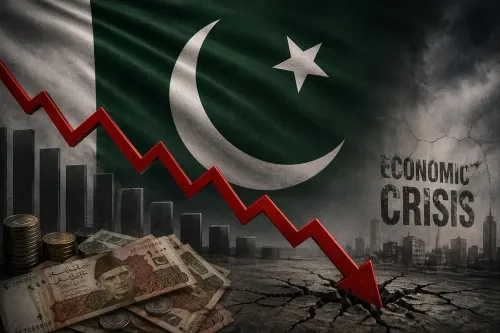
Urgent measures are needed to combat economic impacts.
Islamabad, March 22 (NationPress) Pakistan ranks among the world’s most climate-sensitive countries, with climate change representing a dire threat to its agricultural system and food supply chain. As highlighted in the Pakistan Economic Survey 2024-25 and recent evaluations by the World Bank, this crisis is wreaking havoc on its rivers, coastal areas, livestock, and crops, jeopardizing food security and the livelihoods of millions, as reported by local media.
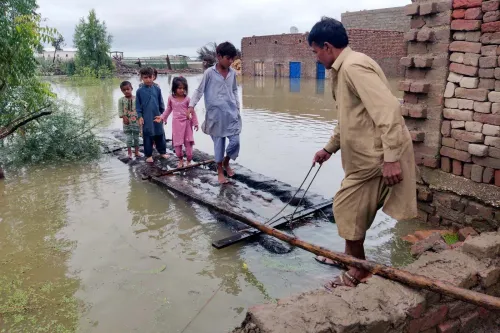
"Pakistan has historically perceived climate change primarily as a series of sudden disasters, such as the catastrophic floods of 2022. However, the truth is that the nation faces a continuous disruption of its survival mechanisms. With 60 percent of the population residing in rural regions and the agriculture sector accounting for 21.9 percent of GDP, these shifting conditions are not merely statistics; they are matters of survival," the report from The Friday Times noted.
In the fiscal year 2024-25, major crops like wheat, maize, and cotton saw significant declines. Environmental changes, particularly early-season heat stress leading to an 8.9 percent drop in wheat production, and untimely monsoon rains causing cotton production to plummet by 30 percent, were key contributing factors. The World Bank has cautioned that if proactive measures are not undertaken, climate-induced shocks could slash Pakistan's annual GDP by 18 to 20 percent by 2050, pushing millions into poverty and food insecurity.
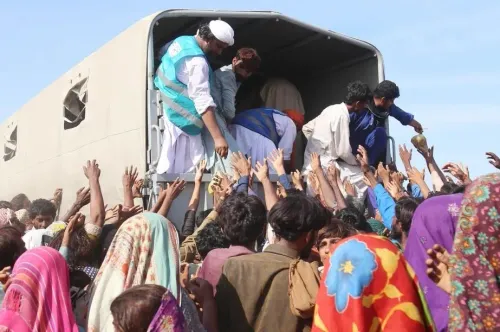
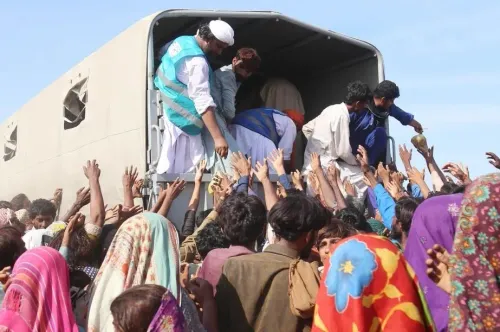
Recurring disasters, such as the floods in 2025, inflicted damage on the agricultural sector amounting to approximately PKR 430 billion. Currently, around 10 million people in the country are grappling with acute food insecurity. Additionally, the rapid melting of Pakistan's glaciers poses a severe threat to the long-term sustainability of the Indus Basin, the backbone of nearly 90 percent of the nation's food production.
"Along the Makran coast, the sands are no longer just a resting place for tides; they have transformed into a graveyard of salt-encrusted shells and bleached coral. At the University of Makran, Dr. Imtiaz Kashani, a marine biologist, is tracking these changes from a different perspective. His research, published in esteemed journals like Oceanologia, underscores that the primary peril to Pakistan’s coastline stems not just from rising temperatures but also from erratic rainfall patterns impacting the Northern Arabian Sea," the report stated.
The livestock sector, which contributes 14.6 percent to Pakistan's GDP, also faces the repercussions of climate change. The death of a cow due to heat not only threatens food supply but also devastates a family’s main source of income. The floods in 2022 resulted in over a million livestock casualties, and the survivors are now grappling with heat stress and a lack of fodder.
Honey production in Pakistan has decreased by 15 percent since 2022, according to the Pakistan Agricultural Research Council and findings from the Honey Bee Research Institute in Islamabad. The variety of honey produced has plummeted from 22 types down to just 11.
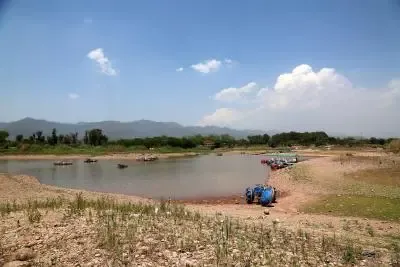
“We used to collect fish by the maund; now it’s measured in kilograms,” shared 35-year-old Muhammad Asif, whose family has fished in the Indus and Arabian Sea for generations. He observed that the rivers were once full and lucrative, but now they remain dry. The narrative of Pakistan's food security has shifted from merely enduring the next drought or flood to a state of ongoing, precarious survival, as the report elaborated.
"As Dr. Kashani observes, the effects cascade from the primary producers to the tertiary consumers, ultimately impacting the entire nation’s food supply. For individuals like Muhammad Asif, the sea and rivers once symbolized pride and prosperity. Today, they represent a landscape of scarcity, where water is bitter, heat is deadly, and the silence in the villages grows ever louder. The data corroborates these accounts," the report concluded.
According to the Pakistan Economic Survey 2024-25, published by the Government of Pakistan's Finance Division, wheat production fell by 8.9 percent to 28.98 million tonnes in FY2025 due to early heat stress and post-sowing dry spells, indicating that the staple of the Pakistani diet is as vulnerable as the aquatic life in the sea. The country stands at a critical juncture where every lost bee, every ailing cow, and every empty fishing net serves as a stark warning.
Point of View
It's crucial to recognize the severity of climate change's impact on Pakistan. This situation demands urgent attention and action, as the agricultural sector, a lifeline for many, is under siege. The implications for food security and livelihoods are profound, and we must prioritize sustainable solutions.
NationPress
24 Sept 2026
Frequently Asked Questions
What are the main threats to agriculture in Pakistan due to climate change?
The primary threats include extreme heat, erratic rainfall patterns, and the melting of glaciers, which collectively disrupt crop production and livestock health.
How many people in Pakistan are currently facing food insecurity?
Approximately 10 million people in Pakistan are experiencing acute food insecurity.
What economic impacts could climate change have on Pakistan by 2050?
If significant actions are not taken, climate-induced shocks could reduce Pakistan's annual GDP by 18 to 20 percent by 2050.
How has the honey production market been affected?
Honey production has decreased by 15 percent since 2022, with the variety of honey types produced dropping from 22 to 11.
What is the significance of the Indus Basin for Pakistan?
The Indus Basin is crucial as it supports nearly 90 percent of Pakistan's food production and is threatened by the rapid melting of glaciers.