130-year-old clock tower collapses at Kozhikode railway station, no casualties
Synopsis
A 130-year-old clock tower at Kozhikode Railway Station collapsed onto Platform No. 2 on 9 July, damaging electrical lines and delaying trains — with a locked, unboarded passenger train standing directly beneath the debris. Officials had received prior warnings and inspected the structure that very morning, making the collapse a damning indictment of delayed action on known heritage infrastructure risk.
Key Takeaways
A 130-year-old heritage clock tower at Kozhikode Railway Station collapsed onto Platform No.
2 at approximately 11.10 am on 9 July .
No passengers or railway employees were injured; a locked, unboarded Kozhikode–Kannur train was standing at the platform at the time.
Falling debris damaged overhead electrical lines, delaying the Mangaluru–Thiruvananthapuram Eranad Express ; Platforms 2 and 3 were cordoned off.
Preliminary assessments cite days of heavy rainfall and advanced structural deterioration as the primary causes.
Railway officials had reportedly identified cracks and inspected the tower earlier the same morning ; critics allege warnings were not acted upon urgently.
MLA Mohammed Riyas has demanded a comprehensive safety audit of the station; the remaining portion of the tower is feared unstable.
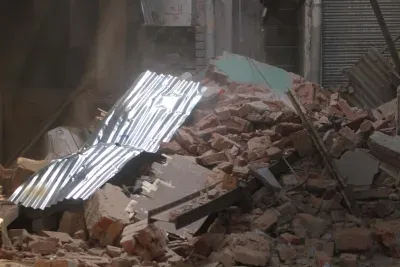
A nearly 130-year-old heritage clock tower at Kozhikode Railway Station in Kerala collapsed onto Platform No. 2 on Thursday, 9 July, sending tonnes of debris crashing onto the platform and damaging overhead electrical lines. The incident occurred at approximately 11.10 am, and by sheer fortune, no passengers were present in the affected area at the time.
How the collapse unfolded
The iconic clock tower, positioned between Platform No. 2 and Platform No. 3, gave way along with a portion of the station roof, which came down onto Platform No. 2. Railway employees stationed near the tower noticed the structure beginning to fail and managed to flee to safety in time, escaping without injury.
A Kozhikode–Kannur passenger train scheduled to depart at 2.05 pm was standing at Platform No. 2 at the time. However, the train was locked and had not yet been boarded by passengers, averting what could have been a catastrophic accident.
Disruption to train services
The falling debris severed overhead electrical lines, triggering service disruptions across the station. The Mangaluru–Thiruvananthapuram Eranad Express was delayed as a direct consequence. Railway authorities promptly suspended passenger access to Platforms 2 and 3 as a precautionary measure and declared a high alert at the station, with the affected zone fully cordoned off until the remaining structure can be assessed and declared safe.
Rain and neglect: what triggered the collapse
Preliminary assessments suggest that days of incessant rainfall in Kozhikode significantly weakened the already deteriorating heritage structure. The district had been experiencing heavy downpours for several days, with intense showers continuing through Thursday morning. Officials had reportedly identified cracks in the building prior to the collapse and acknowledged that the structure had deteriorated considerably due to its age.
Notably, railway personnel had inspected the tower earlier that same morning, and discussions on remedial measures were reportedly underway when the collapse occurred. Concerns had also been raised previously that vibrations from ongoing renovation and piling works at the station could further destabilise ageing structures — warnings that critics allege were not acted upon with adequate urgency.
Calls for accountability and safety audit
MLA Mohammed Riyas demanded a comprehensive safety audit of Kozhikode Railway Station following the incident. He pointed out that the Divisional Railway Manager had visited the site recently and that the deteriorating condition of the heritage structure was already on record. Despite this, he alleged that no effective preventive measures or movement restrictions were enforced, allowing the situation to escalate until the structure collapsed. Railway authorities acknowledged that warnings about the building's instability had been received and that safety arrangements were being initiated — an explanation that has drawn sharp criticism given the sequence of events.
The remaining portion of the clock tower is feared to be unstable, and the Railways has kept the cordon in place pending a full structural assessment. The collapse has reignited a broader debate about the safety of ageing railway infrastructure across India, where heritage structures at colonial-era stations continue to be used without systematic maintenance frameworks.
Point of View
Yet no access restrictions were imposed. That a locked train was parked beneath the debris and no passengers happened to be on the platform is providence, not preparedness. India's colonial-era railway stations house dozens of similarly ageing heritage structures, most without a credible maintenance or monitoring regime. Until the Railways treats heritage infrastructure risk as an operational priority — not an aesthetic one — Kozhikode will not be the last such near-miss.
NationPress
8 Oct 2026
Frequently Asked Questions
What collapsed at Kozhikode Railway Station on 9 July?
A nearly 130-year-old heritage clock tower collapsed onto Platform No. 2 at Kozhikode Railway Station in Kerala at around 11.10 am on 9 July. The structure, located between Platforms 2 and 3, brought down a portion of the station roof along with it, damaging overhead electrical lines.
Were any passengers or railway staff injured in the collapse?
No casualties were reported. Railway employees near the tower noticed the collapse in time and escaped unhurt. A Kozhikode–Kannur passenger train was standing at Platform No. 2 but was locked and had not been boarded, preventing potential fatalities.
What caused the clock tower at Kozhikode station to collapse?
Preliminary assessments point to structural weakening caused by days of incessant rainfall in Kozhikode combined with the advanced age of the heritage building. Officials had reportedly identified cracks earlier, and concerns had been raised that vibrations from ongoing renovation and piling works at the station may have further destabilised the structure.
Which train services were affected by the collapse?
The Mangaluru–Thiruvananthapuram Eranad Express was delayed following the incident. Passenger access to Platforms 2 and 3 was suspended, and the Railways declared a high alert, cordoning off the affected area until the remaining structure is assessed and declared safe.
What action has been demanded following the Kozhikode station collapse?
MLA Mohammed Riyas has called for a comprehensive safety audit of Kozhikode Railway Station, alleging that despite the Divisional Railway Manager's recent visit and prior knowledge of the structure's deteriorating condition, no effective preventive measures were taken. Railway authorities have acknowledged receiving warnings but face criticism over the adequacy of their response.