CM Assam Office Highlights Dhole Return to Barnadi WLS
Synopsis
The Chief Minister's Office of Assam has spotlighted the return of dholes to Barnadi Wildlife Sanctuary, calling it 'a silent success story of conservation' and crediting the Bodoland Territorial Council's sustained forest protection efforts in the region.
Key Takeaways
The Chief Minister's Office of Assam announced on 23 July 2026 that dholes have returned to Barnadi Wildlife Sanctuary .
The recovery is attributed to sustained protection efforts by the Bodoland Territorial Council (BTC) Forest department.
Barnadi WLS is located near the Bhutan border and forms part of Northeast India's biodiversity corridor.
The BTC was established under the 2003 BTC Accord and holds authority over forest management in designated Assam districts.
Dholes are classified as 'Endangered' on the IUCN Red List, making their sanctuary-level recovery ecologically significant.
State wildlife census data and Forest Department updates will be key to independently verifying and tracking the dhole population trend.
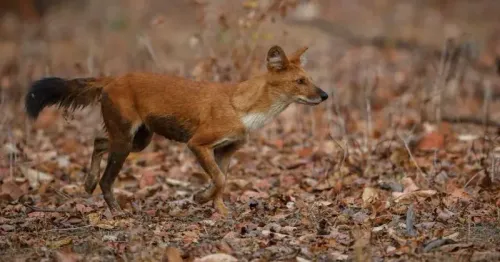
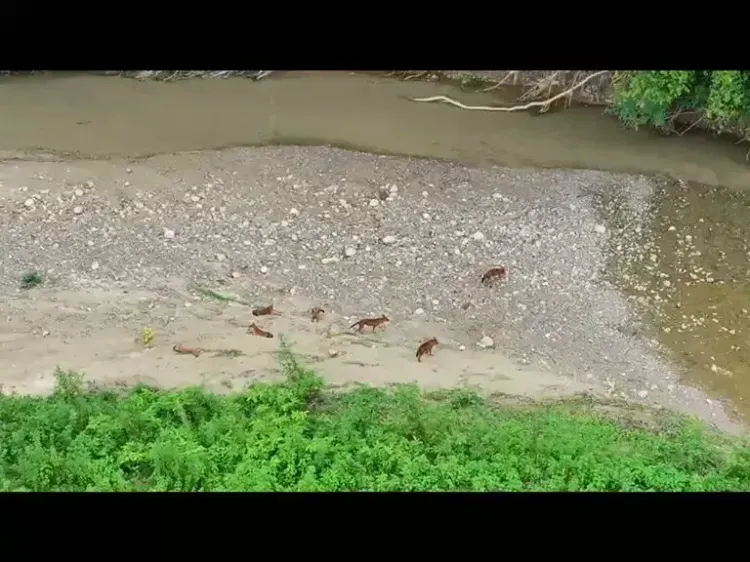
The Chief Minister's Office of Assam on Thursday, 23 July 2026 highlighted the return and recovery of dholes — India's endangered wild dogs — inside Barnadi Wildlife Sanctuary (WLS), crediting sustained protection efforts by the Bodoland Territorial Council (BTC) Forest department for the conservation milestone.
Context
The CMO's post described the development as 'a silent success story of conservation,' noting that dholes 'have returned and are thriving in Barnadi WLS under BTC Forest — showing what sustained protection can achieve.' The phrasing signals an institutional acknowledgment of a wildlife recovery trend that has largely unfolded away from public attention.
Barnadi Wildlife Sanctuary, located in Assam near the Bhutan border, is part of the region's broader biodiversity network in the northeastern corridor. Its proximity to Bhutan's protected forests makes it a significant habitat node for wide-ranging carnivores like the dhole.
Policy Backdrop
The Bodoland Territorial Council, established under the BTC Accord of 2003, holds administrative authority over forests and wildlife protection in designated districts of Assam. The council's stewardship of Barnadi WLS places it at the centre of this conservation outcome.
India's Wildlife Protection Act, 1972 provides the overarching legal framework for conserving species such as the dhole across protected areas nationwide. The dhole (Cuon alpinus) is listed as 'Endangered' on the IUCN Red List, making any verified population recovery ecologically significant.
Wildlife recovery in Assam's sanctuaries fits into a wider pattern observed across Northeast India since the early 2000s, where devolved local governance structures have reinforced anti-poaching measures and habitat protection, contributing to gradual carnivore population stabilisation in several reserves.
Stakeholders and Impact
Local communities and BTC forest officials are the primary stakeholders in Barnadi's conservation story. Effective wildlife protection in autonomous council territories depends heavily on community cooperation alongside institutional enforcement, and this case is being cited as evidence that the model works.
For conservationists working on predator recovery across South and Southeast Asia, dhole resurgence in a smaller sanctuary like Barnadi carries symbolic weight. Dholes are apex predators whose presence indicates a functioning prey base and intact forest ecosystem.
What's Next
State wildlife census reports and Assam Forest Department updates are expected to provide more granular data on dhole numbers and habitat trends inside Barnadi WLS in coming seasons. Such data would allow independent verification of the recovery and help guide future management decisions.
The CMO's public acknowledgment may also prompt greater policy and funding attention toward the BTC Forest's conservation model, potentially offering a template for other autonomous council-managed forest zones across Northeast India.
Point of View
Crediting BTC Forest publicly is a deliberate institutional gesture. The dhole narrative also fits into a broader BJP-led Assam government communication strategy of highlighting environmental stewardship alongside development. Whether the spotlight translates into dedicated conservation funding for Barnadi will be the real test of intent.
NationPress
23 Jul 2026
Frequently Asked Questions
What are dholes and why is their return to Barnadi WLS significant?
Dholes, also known as Indian wild dogs ( Cuon alpinus ), are apex predators listed as 'Endangered' by the IUCN. Their return to Barnadi Wildlife Sanctuary in Assam signals a recovering prey base and healthier forest ecosystem in the region.
Where is Barnadi Wildlife Sanctuary located?
Barnadi Wildlife Sanctuary is located in Assam , near the Bhutan border, and is part of the biodiversity-rich northeastern corridor of India.
Who manages Barnadi Wildlife Sanctuary?
Barnadi WLS falls under the jurisdiction of the Bodoland Territorial Council (BTC) Forest department, which was granted authority over local forests and wildlife under the BTC Accord of 2003 .
What is the Bodoland Territorial Council and what role does it play in conservation?
The Bodoland Territorial Council is an autonomous self-governing body established in 2003 to administer designated districts of Assam. It oversees forest management and wildlife protection in its territory, including Barnadi WLS.
What laws protect dholes in India?
Dholes are protected under India's Wildlife Protection Act, 1972 , which provides the legal basis for conserving endangered species across the country's protected area network.