Endangered Dhole Returns to Kaziranga–Karbi Anglong Landscape
Synopsis
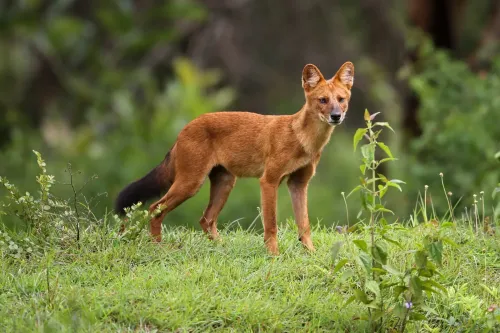
The endangered Dhole has returned to Assam's Kaziranga–Karbi Anglong landscape after years of absence, the Chief Minister's Office announced on 24 May 2026. The reappearance signals improved habitat connectivity in one of India's most iconic wildlife corridors, raising hopes for a broader predator recovery in the region.
Key Takeaways
The Chief Minister's Office of Assam confirmed the return of the endangered Dhole to the Kaziranga–Karbi Anglong landscape on 24 May 2026 .
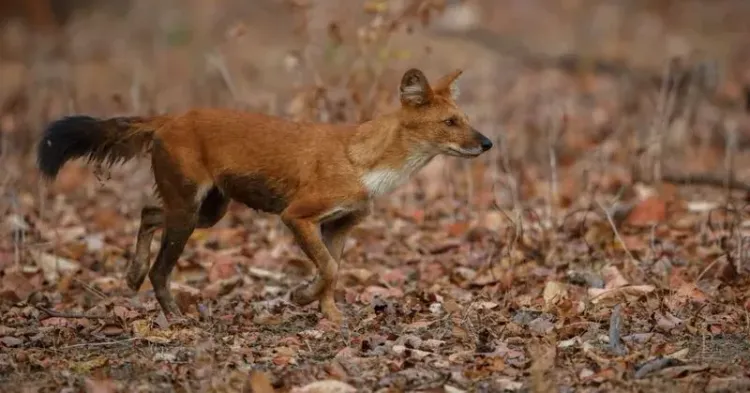
The Dhole ( Cuon alpinus ) is classified as Endangered on the IUCN Red List and had been absent from this landscape for a prolonged period.
Kaziranga National Park is a UNESCO World Heritage Site and has been a Project Tiger reserve since 2007 .
The Karbi Anglong district forms a critical wildlife corridor linking Kaziranga's floodplain habitat to the central Assam hill forests.
Camera-trap surveys and potential corridor notification expansions are expected to follow the confirmed sighting.
The development is consistent with a broader pattern of large-carnivore recovery in Northeast India under landscape-level conservation frameworks.
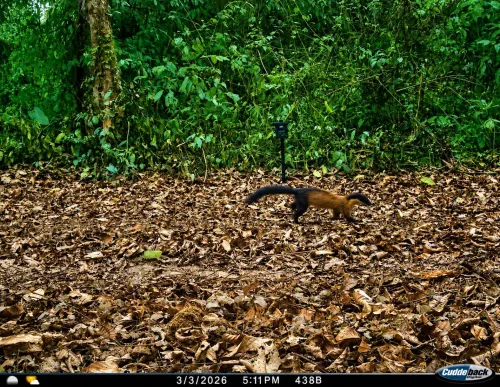
The Chief Minister's Office of Assam announced on Sunday, 24 May 2026 that the endangered Dhole — the Asiatic wild dog — has returned to the Kaziranga–Karbi Anglong landscape after a prolonged absence, signalling a significant moment for wildlife conservation in the state.
Context
The Dhole (Cuon alpinus), listed as Endangered on the IUCN Red List, is a pack-hunting canid that once ranged widely across South and Southeast Asia. Its disappearance from key habitats has been linked to prey depletion, habitat fragmentation, and conflict with humans. The reappearance in the Kaziranga–Karbi Anglong landscape is being seen as a marker of improved ecological health across this connected terrain.
Kaziranga National Park, a UNESCO World Heritage Site in Assam, is globally recognised for its population of the greater one-horned rhinoceros. The adjacent Karbi Anglong district forms a critical hill corridor that links the Brahmaputra floodplains to the broader central Assam forest belt, making it an ecologically vital transition zone for wide-ranging species.
Policy Backdrop
Kaziranga was declared a National Park in 1974 under Assam legislation, primarily to protect rhinoceros habitat. A landmark expansion of its protective mandate came in 2007, when it was brought under Project Tiger, extending formal conservation cover to co-predators and prey species — including the Dhole — across the broader landscape.
Since the mid-2000s, national tiger-reserve management frameworks have enabled the recovery of several large carnivore species across India. The Kaziranga–Karbi Anglong corridor has been a focus of sustained efforts to maintain ecological connectivity across the Brahmaputra floodplains and the Karbi hills, consistent with this wider pattern of landscape-level conservation.
Stakeholders and Impact
The return of the Dhole carries implications for multiple groups. Local tribal communities in and around Karbi Anglong have historically coexisted with — and at times come into conflict with — wild predators, and any resurgence of pack predators will require careful community engagement. Wildlife researchers and conservation biologists will now look to camera-trap surveys to document pack size, territory, and prey interactions.
Ecotourism operators in the Kaziranga region stand to benefit from renewed interest in the landscape's predator diversity, which had largely been defined by tigers and leopards in recent years. The Dhole's return adds a charismatic and rarely sighted species to the wildlife portfolio of one of India's most visited national parks.
What's Next
Conservation managers and researchers will closely watch the results of the next round of camera-trap surveys across the Kaziranga–Karbi Anglong landscape to establish whether a resident Dhole population has re-established or whether the sighting represents dispersing individuals. Any formal notification expanding the notified wildlife corridor between the two areas would further consolidate habitat security for the species.
The development reinforces a broader pattern of ecological recovery in Northeast India, where landscape-level connectivity measures have been pursued to offset fragmentation. For the Government of Assam, the Dhole's return offers both a conservation milestone and a prompt to deepen corridor protection policies before the next wildlife census cycle.
Point of View
Pursued incrementally since Kaziranga's inclusion in Project Tiger in 2007, is producing measurable ecological outcomes. For the Himanta Biswa Sarma-led government in Assam, amplifying this moment serves a dual purpose: reinforcing its environmental credentials and making a case for expanded corridor protection ahead of future land-use decisions in Karbi Anglong. The key test will be whether this sighting translates into policy action — specifically, a formal notification strengthening the wildlife corridor — or remains a celebrated but isolated data point.
NationPress
9 Oct 2026
Frequently Asked Questions
What is a Dhole and why is it endangered?
The Dhole ( Cuon alpinus ), also called the Asiatic wild dog, is a pack-hunting carnivore native to South and Southeast Asia. It is listed as Endangered on the IUCN Red List due to habitat loss, prey depletion, and persecution, with global population estimates in the low thousands.
Where exactly has the Dhole been spotted in Assam?
The Dhole has returned to the Kaziranga–Karbi Anglong landscape, which encompasses Kaziranga National Park in the Brahmaputra floodplains and the adjacent Karbi Anglong hill district that serves as a critical wildlife corridor.
When did the Dhole disappear from Kaziranga and why did it return?
The exact date of the Dhole's disappearance from this landscape is not formally on record, but its absence has been attributed to habitat fragmentation and prey decline. Its return is believed to reflect improved ecological connectivity across the Kaziranga–Karbi Anglong corridor.
Is Kaziranga National Park a tiger reserve?
Yes. Kaziranga was declared a National Park in 1974 and was brought under Project Tiger in 2007 , extending formal protection to a wider range of predator and prey species beyond the rhinoceros.
What happens next after the Dhole's return to Kaziranga?
Wildlife managers and researchers are expected to conduct camera-trap surveys to assess whether a resident Dhole population has re-established. Authorities may also consider formally expanding the notified wildlife corridor between Kaziranga and Karbi Anglong to secure long-term habitat connectivity.