CM Himanta's Assam Hails Yellow-Throated Marten Find at Kaziranga
Synopsis
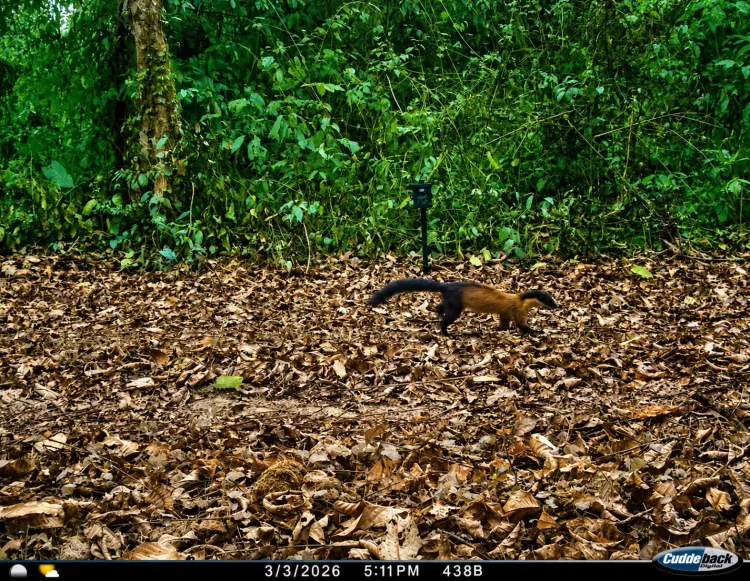
The Chief Minister's Office of Assam spotlighted a yellow-throated marten sighting at Kaziranga National Park on June 2, 2026, framing it as a marker of the state's deepening conservation success under CM Dr. Himanta Biswa Sarma. The rare mustelid sighting signals robust ecosystem health at the UNESCO World Heritage Site.
Key Takeaways
The Chief Minister's Office of Assam highlighted a yellow-throated marten sighting at Kaziranga National Park on June 2, 2026 .
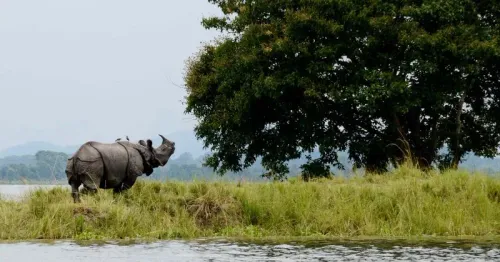
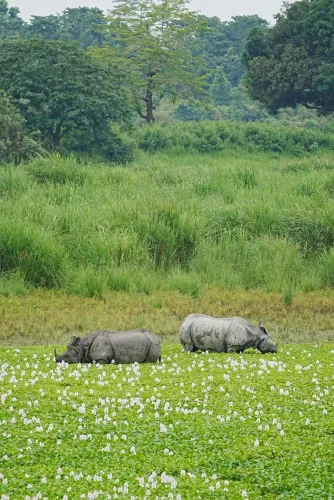
Kaziranga is a UNESCO World Heritage Site and home to the world's largest population of the greater one-horned rhinoceros .
The park was notified as a national park in 1974 and designated a Tiger Reserve in 2007 .
The yellow-throated marten is regarded as an indicator species for healthy, undisturbed forest ecosystems.
Himanta Biswa Sarma , in office since May 2021 , has positioned wildlife conservation as a flagship governance priority for Assam.
The next Kaziranga wildlife census and potential corridor project announcements are key developments to watch.
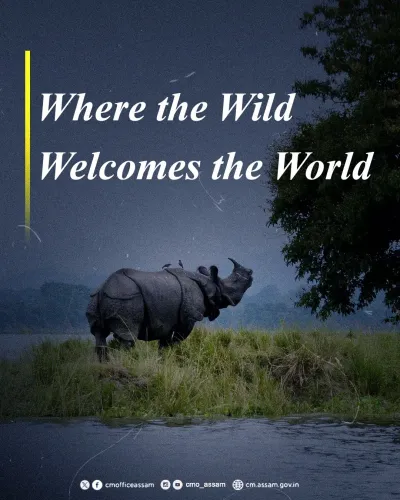
The Chief Minister's Office of Assam on Tuesday, June 2, 2026, highlighted a fresh wildlife sighting at Kaziranga National Park as evidence of the state's growing conservation success, crediting the leadership of Chief Minister Dr. Himanta Biswa Sarma for nurturing thriving ecosystems beyond mere landscape protection.
Context
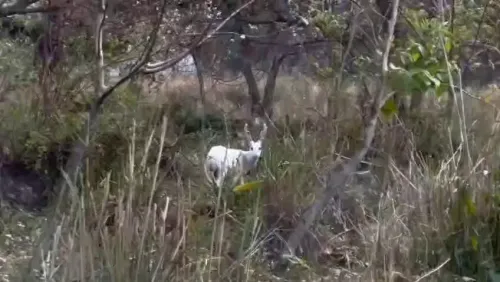
The post draws attention to the sighting of a yellow-throated marten inside Kaziranga, a rare and visually striking mustelid that inhabits dense forest zones across South and Southeast Asia. The CMO described the sighting as underscoring 'the strength of Assam's conservation model, where protected habitats continue to support remarkable biodiversity and wildlife resilience.' The yellow-throated marten, known for its vivid yellow-orange chest and throat, is considered an indicator species for healthy, undisturbed forest ecosystems.
Policy Backdrop
Kaziranga National Park, a UNESCO World Heritage Site, was notified as a national park in 1974 under the Assam National Park Act, originally to protect the habitat of the greater one-horned rhinoceros — of which it hosts the world's largest population. The park was subsequently designated a Tiger Reserve in 2007 under Project Tiger, which was launched nationally in 1973. The broader legal scaffolding for Assam's protected area network rests on the Wildlife Protection Act of 1972, which empowered states to expand and manage wildlife sanctuaries and national parks.
Northeast Indian states, including Assam, have progressively enlarged protected areas and restored habitats under both central and state-level schemes since the 1970s. Assam's current approach combines strict anti-poaching enforcement with ecosystem monitoring, consistent with India's commitments under the Convention on Biological Diversity.
Stakeholders and Impact
The beneficiaries of Kaziranga's expanding biodiversity extend well beyond the park's boundaries. Local communities living on the fringes of the park depend on the ecological balance maintained within it for water, agriculture, and livelihoods tied to eco-tourism. Biodiversity researchers and wildlife scientists regard sightings of species such as the yellow-throated marten as significant data points for assessing the health of forest corridors connecting Kaziranga to the Karbi Anglong hills.
The sighting also carries symbolic weight for the state government's conservation narrative. Under CM Dr. Himanta Biswa Sarma, who has held office since May 2021, Assam has positioned wildlife conservation as a flagship governance priority, with Kaziranga serving as the most visible emblem of that commitment.
What's Next
Observers will watch for the publication of the next Kaziranga wildlife census, which periodically provides verified population counts across species. Any state announcements on new community-conserved areas or wildlife corridor projects linking Kaziranga to adjoining forests would mark the next substantive policy step. The yellow-throated marten sighting may also prompt formal documentation by wildlife researchers, adding to the park's species inventory and informing future habitat management decisions.
Point of View
With Kaziranga as its most internationally recognisable asset. Framing biodiversity indicators as governance outcomes is a pattern seen across states seeking to project environmental credibility, particularly ahead of census cycles and international reviews under the Convention on Biological Diversity. For Assam, where anti-poaching drives have been both celebrated and contested, spotlighting a non-flagship species like the yellow-throated marten signals a maturing of the conservation narrative — moving from rhinoceros headcounts to ecosystem-wide health metrics. Whether this translates into formal policy commitments, such as new corridor protections or community conservation agreements, will determine the depth of the claim.
NationPress
16 Sept 2026
Frequently Asked Questions
What is a yellow-throated marten and why is its sighting significant?
The yellow-throated marten is a medium-sized carnivore in the mustelid family, recognisable by its vivid yellow-orange throat and chest. Its presence in Kaziranga is considered a positive indicator of a healthy, undisturbed forest ecosystem, as the species requires dense, prey-rich habitats to thrive.
Where is Kaziranga National Park located?
Kaziranga National Park is located in the Golaghat and Nagaon districts of Assam , in northeastern India. It is a UNESCO World Heritage Site and the world's largest habitat for the greater one-horned rhinoceros.
Who is the Chief Minister of Assam in 2026?
Dr. Himanta Biswa Sarma is the Chief Minister of Assam. He assumed office in May 2021 and has made wildlife conservation a stated priority of his administration.
When was Kaziranga declared a national park and a tiger reserve?
Kaziranga was notified as a national park in 1974 under the Assam National Park Act. It was later designated a Tiger Reserve in 2007 under India's Project Tiger programme.
What animals are found in Kaziranga National Park?
Kaziranga is best known for hosting the world's largest population of the greater one-horned rhinoceros . It is also home to tigers, elephants, wild water buffalo, swamp deer, and a wide range of bird and smaller mammal species, including the recently sighted yellow-throated marten.