CM Himanta Reaffirms Assam's Biodiversity Commitment on World Environment Day
Synopsis
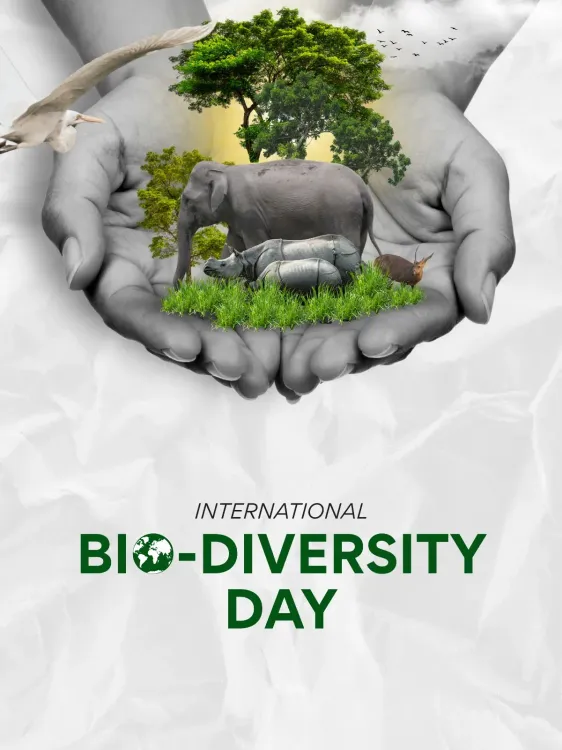
On International Biodiversity Day, Assam Chief Minister Himanta Biswa Sarma reaffirmed the state's commitment to conservation, pledging to eliminate forest encroachment and achieve zero poaching across protected areas including Kaziranga, Manas, Dehing Patkai and Maguri Beel.
Key Takeaways
Assam CM Himanta Biswa Sarma marked International Biodiversity Day on 22 May 2026 with a public conservation pledge.
The CM specifically named Kaziranga , Manas , Dehing Patkai national parks and Maguri Beel wetland as pillars of Assam's biodiversity.
The government renewed its commitment to freeing forests from encroachment and achieving a zero-poaching Assam .
Kaziranga and Manas are both UNESCO World Heritage Sites ; Dehing Patkai was notified as a national park only in 2020 .
Assam lies within the Indo-Burma biodiversity hotspot , one of the world's most threatened ecological zones.
Conservation efforts operate under the Wildlife Protection Act, 1972 and India's commitments to the Convention on Biological Diversity .
Assam Chief Minister Himanta Biswa Sarma used International Biodiversity Day on 22 May 2026 to reaffirm the state government's commitment to conservation, pledging renewed determination to eliminate forest encroachment and achieve a zero-poaching Assam.
Context
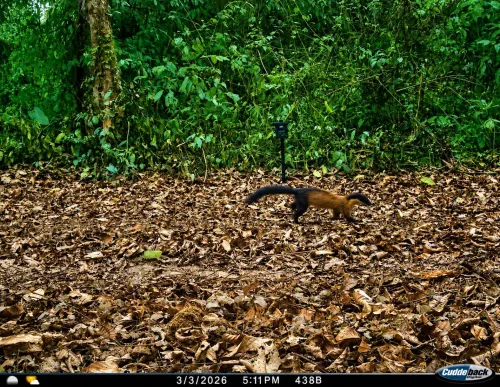
International Biodiversity Day, observed every year on 22 May, is a United Nations-designated day to raise awareness about biodiversity loss and conservation efforts. Sarma's post highlighted four of Assam's most ecologically significant sites — Kaziranga National Park, Dehing Patkai National Park, Manas National Park, and Maguri Beel — as symbols of the state's natural wealth.
Assam sits within the Indo-Burma biodiversity hotspot, one of the world's most biologically rich and threatened regions. The state's forests and wetlands support rare and endangered species, making conservation a matter of both ecological and national significance.
Policy Backdrop
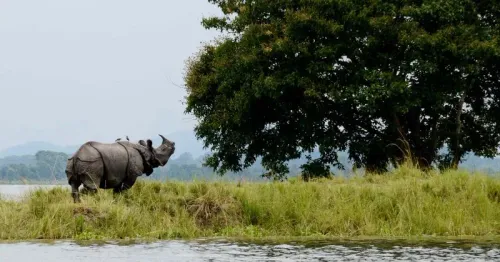
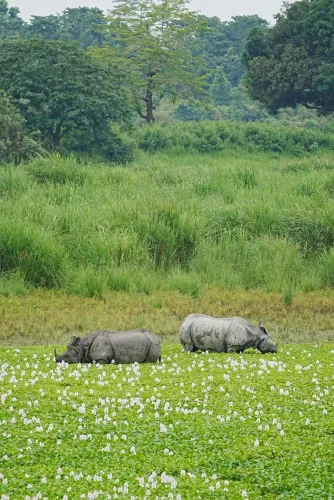
Kaziranga National Park, a UNESCO World Heritage Site, is globally recognised for hosting the world's largest population of the greater one-horned rhinoceros and has been the centrepiece of Assam's anti-poaching operations for decades. The state has long been a participant in the Indian Rhino Vision 2020 programme, launched in 2005, which aimed to increase rhino numbers and distribute them across protected areas.
Manas National Park, also a UNESCO World Heritage Site and tiger reserve in western Assam, underwent a significant recovery after severe wildlife depletion linked to insurgency in the 1990s and 2000s. Dehing Patkai National Park in eastern Assam was formally notified as a national park in 2020 following prolonged public and legal campaigns, including Supreme Court monitoring of illegal coal mining cases in the region.
Maguri Beel, a wetland near Dibru-Saikhowa, supports migratory bird populations and local fishing communities, representing the intersection of biodiversity and livelihoods. Assam's conservation framework operates under the national Wildlife Protection Act, 1972 and India's obligations under the Convention on Biological Diversity.
Stakeholders and Impact
The Chief Minister's twin pledges — freeing forests from encroachment and building a zero-poaching state — directly affect forest communities, wildlife rangers, and eco-tourism operators across Assam. Encroachment removal drives have been a defining and often contentious feature of the Sarma administration since he assumed office in May 2021.
Wildlife rangers and forest department personnel stand to receive renewed institutional backing under the stated commitment. Eco-tourism operators, who depend on healthy wildlife populations and intact habitats, also have a direct stake in the success of anti-poaching measures at sites like Kaziranga and Manas.
What's Next
The government's stated resolve will be tested against concrete outcomes, including the release of the next annual Assam Forest Department report on poaching incidents and encroachment clearances. Budget allocations for ranger infrastructure and the expansion of community eco-development committees will be closely watched as indicators of whether the International Biodiversity Day pledge translates into sustained policy action.
Assam's approach — balancing protected area expansion with firm anti-encroachment enforcement — is increasingly being cited as a model across other northeastern states, and the Chief Minister's renewed public commitment signals that this dual-track strategy will continue to define the state's environmental governance.
Point of View
He reinforces Assam's brand as a conservation leader within the Northeast. The statement also pre-empts criticism from environmental groups who have questioned the pace of encroachment removals and their impact on forest communities. Whether the rhetoric hardens into measurable outcomes will depend on the next forest department budget and annual wildlife crime data.
NationPress
5 Oct 2026
Frequently Asked Questions
What did Assam CM Himanta Biswa Sarma say on International Biodiversity Day 2026?
CM Himanta Biswa Sarma reaffirmed Assam's commitment to biodiversity conservation, pledging to eliminate forest encroachment and build a zero-poaching Assam. He highlighted Kaziranga, Dehing Patkai, Manas national parks and Maguri Beel as symbols of the state's natural wealth.
Which national parks did CM Himanta mention in his biodiversity post?
He mentioned Kaziranga National Park, Dehing Patkai National Park, and Manas National Park, along with the Maguri Beel wetland, as key sites representing Assam's biodiversity.
Is Kaziranga National Park a UNESCO World Heritage Site?
Yes, Kaziranga National Park is a UNESCO World Heritage Site and is home to the world's largest population of the greater one-horned rhinoceros. Manas National Park in Assam is also a UNESCO World Heritage Site.
When was Dehing Patkai declared a national park?
Dehing Patkai was formally notified as a national park in 2020, following prolonged public and legal campaigns and Supreme Court monitoring of illegal coal mining cases in the region.
What is Assam's zero-poaching policy?
Assam's zero-poaching commitment refers to the state government's goal of ending all illegal wildlife hunting, particularly of rhinoceroses in Kaziranga. It involves strengthened anti-poaching operations by forest rangers and is part of a broader conservation drive that includes removing encroachments from protected forest land.