CM Himanta Hails Dhole's Return to Kaziranga-Karbi Anglong
Synopsis
Assam Chief Minister Himanta Biswa Sarma announced on 23 May 2026 that a Dhole pack has been confirmed in the Kaziranga-Karbi Anglong landscape — a recovery traced from a single camera-trap image in 2022. The CM attributed the return to anti-encroachment drives, habitat connectivity work, and sustained forest conservation efforts.
Key Takeaways
A Dhole pack has been confirmed in the Kaziranga-Karbi Anglong landscape in 2026 , following a lone camera-trap image recorded in 2022 .
CM Himanta Biswa Sarma credited anti-encroachment drives, forest cover expansion, and habitat connectivity efforts for enabling the species' return.
The Dhole is an apex predator that had previously disappeared from the Kaziranga-Karbi Anglong corridor.
The confirmed pack sighting is seen as an indicator of a healthier prey base and reduced habitat fragmentation in the region.
The recovery aligns with the National Wildlife Action Plan (2017–2031) and NTCA corridor priorities for Northeast India.
The Assam Forest Department is expected to release formal monitoring data on the Dhole pack's population and range.
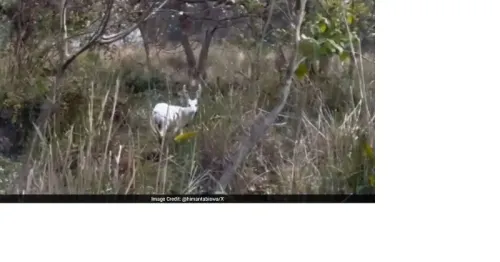
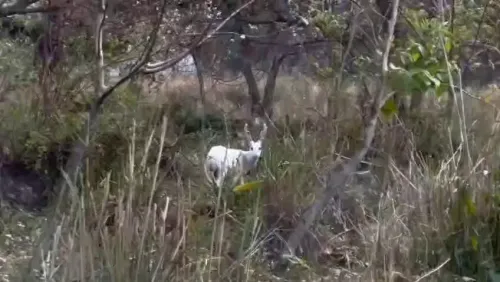
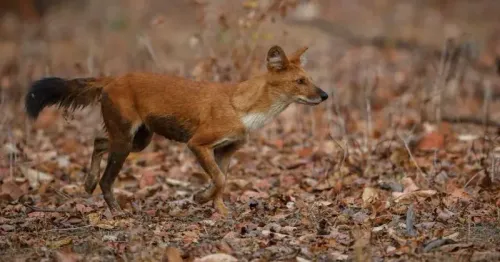
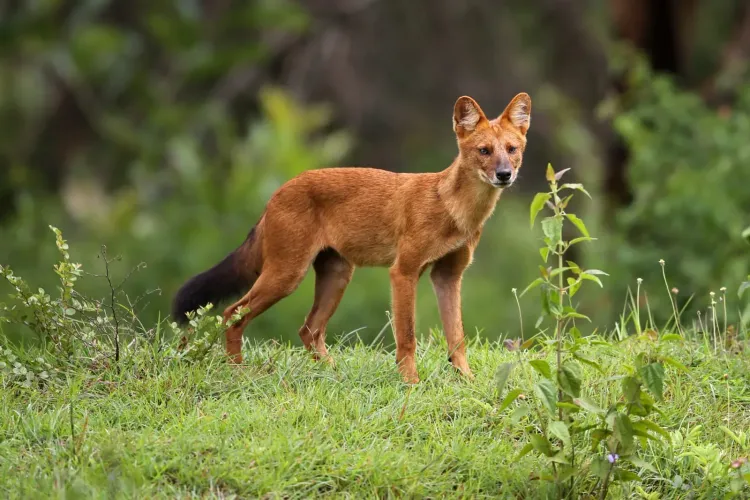
Assam Chief Minister Himanta Biswa Sarma on Saturday, 23 May 2026, announced the confirmed return of the Dhole — a rare apex predator — to the Kaziranga-Karbi Anglong landscape, calling it a powerful story of ecological revival driven by sustained conservation efforts.
Context
The Dhole (Cuon alpinus), also known as the Asiatic wild dog, had disappeared from the Kaziranga-Karbi Anglong corridor before a lone camera-trap image recorded its presence in 2022. By 2026, direct sightings and the confirmation of a pack mark a significant milestone in the species' documented recovery in the region. CM Sarma described the animal as 'a silent and highly efficient predator' that 'once roamed freely across our forests before fading from the landscape.'
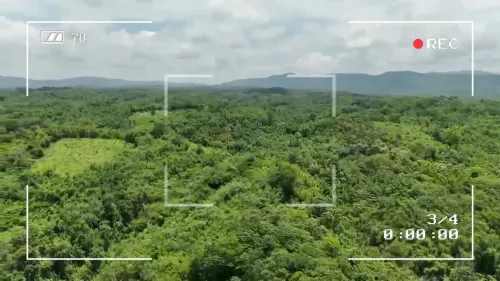
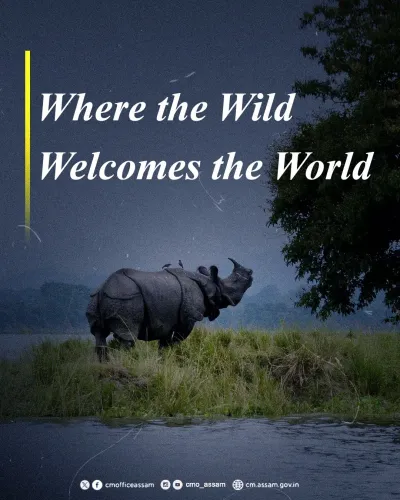
The Kaziranga National Park, a UNESCO World Heritage Site established in 1974, is internationally recognised for rhinoceros and tiger conservation. The adjacent Karbi Anglong district forms a critical forested corridor that enables the movement of large mammals across the broader landscape.
Policy Backdrop
The Assam government intensified anti-encroachment drives in reserve forests and national parks after 2021, with evictions of illegal settlers from protected areas forming a central plank of the state's forest policy under CM Sarma. The Chief Minister cited 'consistent efforts to protect and expand forest cover, strengthen habitat connectivity and free up encroached lands' as the conditions that enabled the Dhole's return.
These state-level measures align with the National Wildlife Action Plan (2017–2031) and corridor projects prioritised by the National Tiger Conservation Authority (NTCA) across the Northeast. Camera-trap monitoring, now standard across Indian protected areas, has documented the recovery of several large carnivores in regions where encroachment pressure has been reduced and prey populations have stabilised.
Stakeholders and Impact
Assam Forest Department field staff, wildlife researchers, and communities in Karbi Anglong are central to the monitoring and conservation work underpinning this recovery. The Dhole, as an apex predator, plays a regulatory role in the food chain, and its confirmed presence is read by ecologists as an indicator of a healthier prey base and reduced habitat fragmentation.
CM Sarma underscored the broader significance: 'The return of an apex predator like the Dhole is not just about one species. It signals a healthier ecosystem, stronger connectivity and the success of sustained conservation efforts.' The development is also expected to draw attention to the Kaziranga-Karbi Anglong elephant reserve as a model corridor for Northeast India.
What's Next
Wildlife observers and conservationists will look to the Assam Forest Department for a formal status report on Dhole pack monitoring, including population estimates and territorial range data. Any move to expand or formally notify the Kaziranga-Karbi Anglong elephant reserve boundaries would further consolidate habitat protection for the species. The confirmed pack sighting sets a baseline for long-term population tracking in the corridor.
The Dhole's documented return reinforces a pattern seen across India's better-managed protected landscapes: when encroachment is checked and forest connectivity is restored, apex predators follow the recovering prey base back into their historic range — a signal that conservation investment yields measurable ecological returns.
Point of View
Linking administrative action to a visible, emotive conservation outcome. It also positions Assam's corridor model as a template for Northeast India at a time when habitat fragmentation remains a central challenge for large-mammal conservation. The next test will be whether formal institutional steps — expanded reserve notifications, independent population surveys — follow the political announcement.
NationPress
7 Oct 2026
Frequently Asked Questions
What is a Dhole and why is its return to Kaziranga significant?
The Dhole ( Cuon alpinus ), or Asiatic wild dog, is a pack-hunting apex predator listed as Endangered. Its return to the Kaziranga-Karbi Anglong corridor signals a recovering prey base and healthier forest ecosystem after years of conservation work.
When was the Dhole first spotted again in Kaziranga-Karbi Anglong?
A lone camera-trap image recorded the Dhole's presence in the Kaziranga-Karbi Anglong landscape in 2022 . By 2026 , direct sightings and a confirmed pack have been reported.
What steps did the Assam government take to bring wildlife back to Kaziranga?
The Assam government under CM Himanta Biswa Sarma intensified anti-encroachment drives in protected forests after 2021, worked to expand forest cover, and focused on strengthening habitat connectivity between Kaziranga National Park and the Karbi Anglong corridor.
Is Kaziranga National Park a UNESCO World Heritage Site?
Yes. Kaziranga National Park was designated a UNESCO World Heritage Site in 1985 and is primarily known for its population of the Indian one-horned rhinoceros and Bengal tiger.
What does the return of an apex predator indicate about an ecosystem?
The return of an apex predator like the Dhole indicates a healthier prey population, reduced habitat fragmentation, and stronger forest connectivity — all markers of a recovering and functioning ecosystem.