CM Bhagwant Mann backs Kejriwal's demand to fix E20 petrol crisis
Synopsis
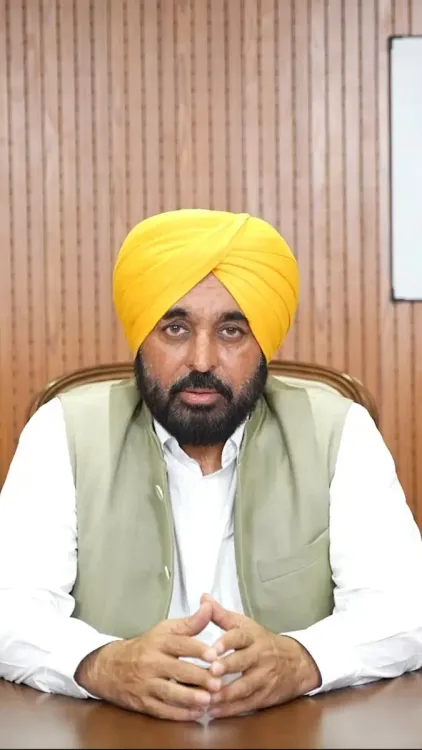
Punjab Chief Minister Bhagwant Mann has backed AAP convener Arvind Kejriwal's letter to the Prime Minister demanding consumer choice between pure petrol and E20 ethanol-blended fuel, and an immediate price cut. Mann signed an online petition and urged Punjabis to do the same, calling the rollout 'blind loot' on vehicle owners.
Key Takeaways
Punjab CM Bhagwant Mann publicly backed Arvind Kejriwal 's letter to the Prime Minister demanding reforms to the E20 ethanol-blended petrol rollout.
Two demands were made: citizens' right to choose between pure petrol and E20 , and an immediate reduction in E20 prices .
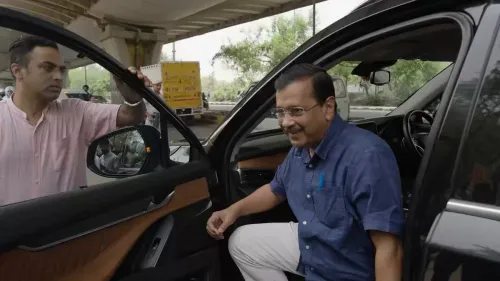
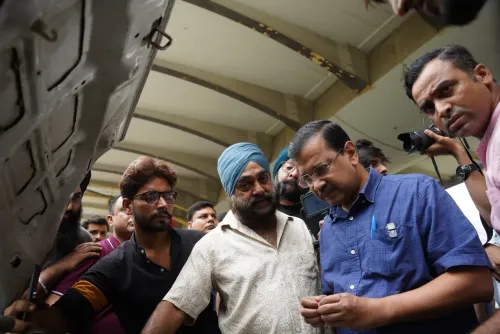
Mann described widespread vehicle breakdowns — from motorcycles to cars — as a direct consequence of E20 petrol .
An online petition has been launched at stopE20petrol.com , which Mann says he has personally signed.
India's Ethanol Blended Petrol Programme set a nationwide E20 target , originally for 2030, advanced to 2025 in 2021.
AAP 's challenge is part of a broader pattern of the party contesting central fuel and energy pricing policies on consumer-protection grounds.
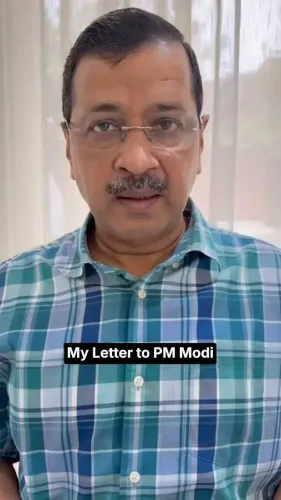
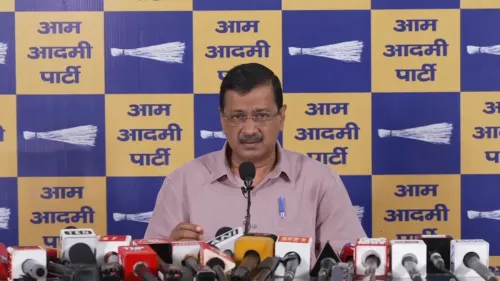
Punjab Chief Minister Bhagwant Mann on Thursday, 16 July 2026, threw his weight behind Aam Aadmi Party national convener Arvind Kejriwal's letter to the Prime Minister, demanding that citizens be given a choice between pure petrol and E20 ethanol-blended fuel, and that E20 prices be cut immediately. Mann said he had personally signed an online petition against what he called 'blind loot' on consumers, and urged Punjabis to do the same at stopE20petrol.com.
Context
Writing in Punjabi, Mann described a widening crisis in which vehicle owners — from motorcyclists to car drivers — are reporting breakdowns and engine trouble they attribute to E20 petrol, which blends 20 per cent ethanol with conventional fuel. His post, translated, reads: 'ਮੋਟਰਸਾਈਕਲ ਤੋਂ ਲੈ ਕੇ ਬਾਕੀ ਵਾਹਨਾਂ ਤੱਕ, ਅੱਜ ਹਰ ਕੋਈ E20 ਪੈਟਰੋਲ ਕਾਰਨ ਗੱਡੀਆਂ ਬੰਦ ਪੈਣ ਦੇ ਸੰਕਟ ਨਾਲ ਜੂਝ ਰਿਹਾ ਹੈ' ('From motorcycles to other vehicles, today everyone is struggling with the crisis of vehicles breaking down due to E20 petrol'). Mann amplified Kejriwal's two concrete demands: the public's right to choose between pure petrol and E20, and an immediate reduction in E20 prices.
Policy Backdrop
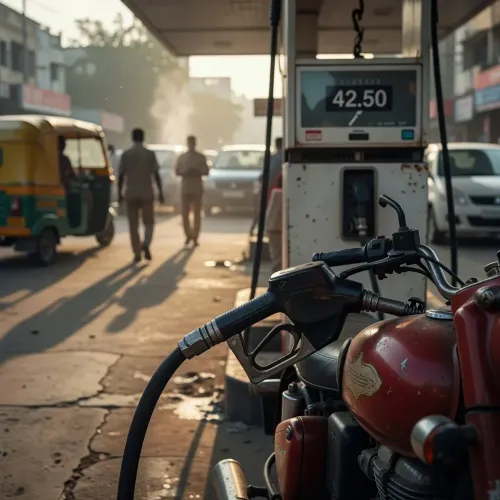
India's Ethanol Blended Petrol (EBP) Programme was first launched in 2003 with a modest 5 per cent blending target. In 2021, the central government accelerated its timeline, advancing the nationwide E20 target from 2030 to 2025, framing higher ethanol blending as a pillar of the country's energy-security and net-zero strategy. The policy is intended to reduce crude-oil import dependence and cut vehicular emissions. However, critics — including AAP — argue that older two-wheelers and four-wheelers were not designed for 20 per cent ethanol blends, making the rollout harmful for the bulk of Indian consumers who cannot afford to upgrade their vehicles.
Stakeholders and Impact
The dispute cuts across Punjab's large base of motorcycle-dependent commuters, farmers who use engine-powered equipment, and small-fleet transport operators. AAP, which governs Punjab and has a strong base in Delhi, has positioned itself as a consumer-protection voice against central fuel policy, a stance consistent with its earlier challenges to LPG pricing and quality standards. The online petition at stopE20petrol.com, which Mann says he has signed, is designed to aggregate public pressure ahead of any central government response to Kejriwal's letter.
What's Next
All eyes are now on the central government's response to Kejriwal's letter — specifically, whether the Ministry of Petroleum and Natural Gas will consider parallel availability of pure petrol at retail outlets or revise the pricing formula for E20. Should the petition gather significant signatories, it could strengthen the political case for a formal review of the EBP Programme's rollout pace and consumer-choice provisions. The episode also signals that fuel policy is set to become a live electoral and governance flashpoint in AAP-governed states heading into the next political cycle.
Point of View
A state with one of India's highest per-capita two-wheeler densities. By framing E20 as 'blind loot' and anchoring the campaign in a petition rather than a legislative motion, the party is building a street-level pressure tool that bypasses its minority status in Parliament. The episode fits a consistent AAP pattern of using fuel and utility pricing as wedge issues against the ruling dispensation at the Centre, echoing earlier battles over LPG costs and electricity tariffs. Whether the Centre engages or dismisses the letter will determine whether this remains a social-media campaign or escalates into a formal policy confrontation.
NationPress
16 Jul 2026
Frequently Asked Questions
What is E20 petrol and why is it causing vehicle problems in India?
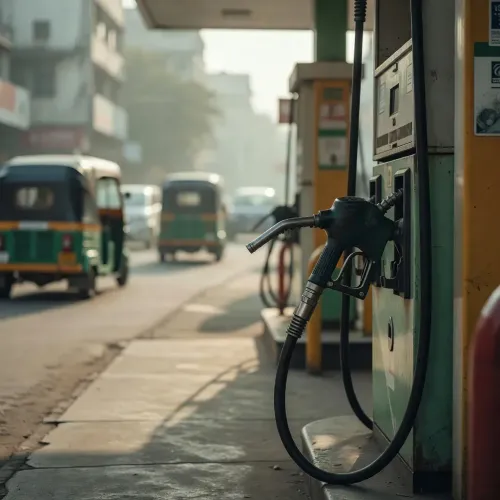
E20 petrol is conventional fuel blended with 20 per cent ethanol under India's national biofuel programme. Many older motorcycles and cars were not designed for such high ethanol concentrations, which can cause fuel-system corrosion, reduced mileage, and engine stalling — issues that have prompted complaints from vehicle owners across several states.
What did Arvind Kejriwal demand in his letter to the Prime Minister about E20 petrol?
Arvind Kejriwal made two demands in his letter: first, that consumers be given the right to choose between pure petrol and E20 at fuel stations, and second, that the price of E20 petrol be reduced immediately to compensate for its lower energy content and the damage it causes to incompatible vehicles.
What is the stopE20petrol.com petition about?
The petition at stopE20petrol.com is an online campaign supported by AAP leaders, including Punjab CM Bhagwant Mann , urging the central government to address consumer grievances over E20 petrol — specifically seeking choice at the pump and lower E20 prices. Mann has publicly signed it and called on Punjabis to do the same.
When did India introduce the E20 ethanol blending target?
India's Ethanol Blended Petrol Programme began in 2003 with a 5 per cent blending target. In 2021 , the central government advanced the nationwide E20 target from 2030 to 2025 as part of its energy-security and net-zero commitments.
Why is AAP opposing the E20 petrol policy?
AAP argues that the rapid rollout of E20 petrol without ensuring engine compatibility for older vehicles amounts to a financial burden on ordinary consumers. The party has a track record of challenging central fuel and utility pricing policies on consumer-protection grounds in both Punjab and Delhi .