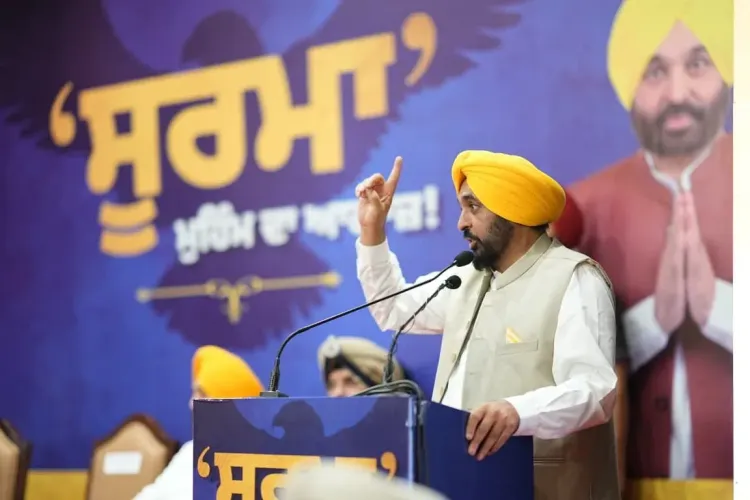
CM Bhagwant Mann Launches 'Soorma Muhim' for Drug-Free Punjab
Synopsis
Punjab Chief Minister Bhagwant Mann launched the Soorma Muhim on 27 June 2026, felicitating drug-recovered youth and promising them government jobs. He also announced 3,100 grounds and 3,000 gyms by 15 July, cited a 50% drop in road deaths, and highlighted 47 lakh free health treatment cards as part of AAP's welfare push.
Key Takeaways
Soorma Muhim launched on 27 June 2026 by Punjab CM Bhagwant Mann to honour youth who have overcome drug addiction.
Rehabilitated youth who serve as role models will be offered government employment under the scheme.
3,100 new sports grounds and 3,000 gyms are committed to be ready across Punjab by 15 July 2026 .
The government claims 47 lakh families have received free health treatment cards worth up to Rs 10 lakh each.
The Road Safety Force (SSF) is credited with cutting road-accident deaths by 50 per cent , saving an estimated 2,700 lives annually .
Punjab is stated to rank number one in education nationally, per the government's own assessment.
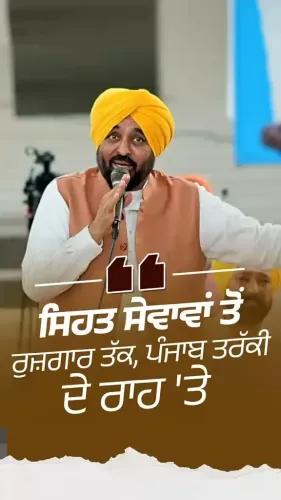
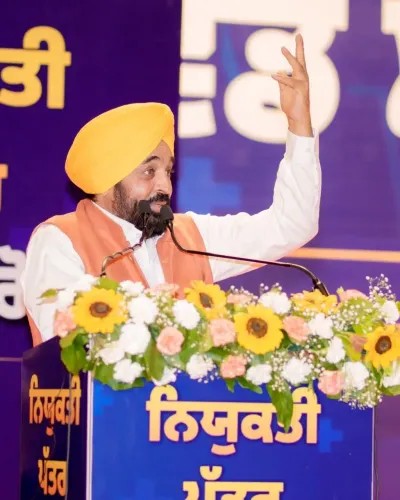
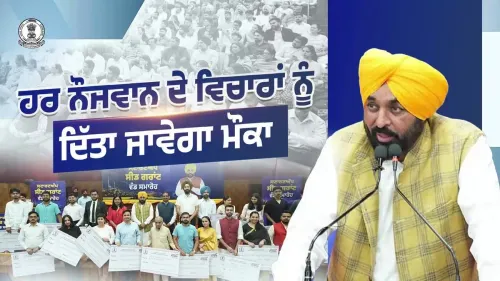
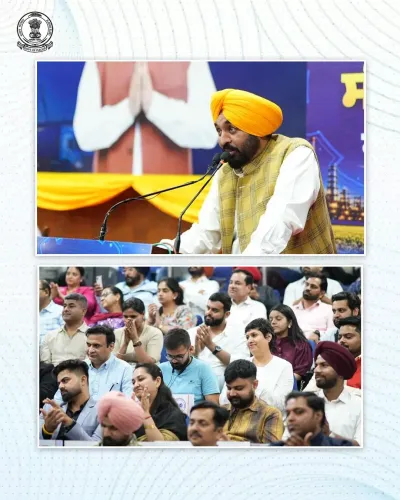
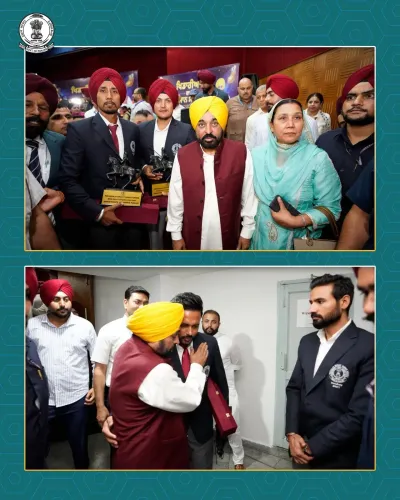
Punjab Chief Minister Bhagwant Mann on Saturday, 27 June 2026 launched the Soorma Muhim, a state campaign to honour and rehabilitate youth who have overcome drug addiction, pledging government employment to those who serve as role models for others in their communities.
Context
Announcing the campaign on X, Mann wrote in Punjabi: 'ਅੱਜ 'ਸੂਰਮਾ ਮੁਹਿੰਮ' ਦੀ ਸ਼ੁਰੂਆਤ ਕੀਤੀ' ('Today the Soorma Muhim was launched'). He said recovering youth who become role models for others will be given employment by the government — a direct link between rehabilitation and livelihood that marks a shift from purely medical approaches to drug recovery.
The Chief Minister also announced that 3,100 new sports grounds and 3,000 gyms will be ready across the state by 15 July 2026, framing physical fitness infrastructure as a long-term bulwark against substance abuse among young people.
Policy Backdrop
The Aam Aadmi Party contested the 2022 Punjab assembly elections on an explicit promise to eradicate the state's drug menace within four years. The Soorma Muhim represents a visible mid-term delivery milestone, combining recognition of individual recovery with a structural employment guarantee.
Mann also cited two other welfare achievements in the same post. He stated that 47 lakh families have received free treatment cards worth up to Rs 10 lakh each, and that Punjab now ranks number one in education nationally — claims the government has been publicising as evidence of its broader welfare agenda. The research background notes these figures are government-stated and have not been independently verified.
Stakeholders and Impact
The Road Safety Force (SSF), a dedicated state enforcement body, received specific mention. Mann claimed the SSF has reduced road-accident deaths by 50 per cent, saving an estimated 2,700 lives annually — a figure the government attributes to intensified patrolling and awareness drives since the force's strengthening under the current administration.
The primary beneficiaries of the Soorma Muhim are recovering drug-dependent youth, who will be formally felicitated and offered government jobs. Broader stakeholders include Punjab's families who have long grappled with the state's well-documented substance-abuse crisis, road users who stand to benefit from continued SSF deployment, and low-income households covered under the free health treatment scheme.
What's Next
The immediate deadline to watch is 15 July 2026, by which the government has committed to completing 3,100 grounds and 3,000 gyms. The scale and pace of employment offers extended to rehabilitated youth under the Soorma Muhim will be the other key indicator of whether the campaign translates into sustained policy or remains a one-day recognition event.
Mann closed his post with a rallying call — 'ਨੀਅਤ ਸਾਫ਼ ਹੋਵੇ ਤਾਂ ਸਭ ਸੰਭਵ ਹੈ' ('If the intent is pure, everything is possible') — and an invocation to build a 'Rangla Punjab' (a vibrant, flourishing Punjab) together. If the sports infrastructure and employment commitments are delivered on schedule, the Soorma Muhim could become a template for other states grappling with rehabilitation-to-livelihood pipelines for drug-affected youth.
Point of View
But tying rehabilitation directly to government jobs gives the campaign a concrete, deliverable hook that is harder to dismiss as optics. Coming roughly four years after AAP's 2022 drug-eradication pledge, the launch is timed to signal mid-term accountability ahead of any electoral cycle. The bundling of road-safety statistics, health card numbers, and an education ranking into a single post reflects a broader AAP communications strategy of aggregating welfare wins to counter criticism on law and order and economic growth. Whether the 15 July infrastructure deadline is met will be the first real test of whether the Soorma Muhim is a durable programme or a launch-day headline.
NationPress
27 Jun 2026
Frequently Asked Questions
What is the Soorma Muhim launched by Bhagwant Mann?
The Soorma Muhim is a Punjab government campaign launched on 27 June 2026 to honour youth who have recovered from drug addiction and to offer them government employment, positioning them as role models for others.
Will drug-recovered youth get government jobs under Soorma Muhim?
Yes. Chief Minister Bhagwant Mann announced that recovering youth who become role models for their communities will be provided government employment as part of the Soorma Muhim initiative.
How many sports grounds and gyms is Punjab building for youth?
The Punjab government has committed to building 3,100 new sports grounds and 3,000 gyms, with a completion deadline of 15 July 2026.
What is the Punjab free health treatment card scheme?
The scheme provides free medical treatment worth up to Rs 10 lakh to enrolled families. CM Mann stated on 27 June 2026 that 47 lakh families have already received these cards.
How much has the Punjab Road Safety Force reduced road deaths?
According to Chief Minister Bhagwant Mann, the Road Safety Force (SSF) has reduced road-accident deaths by 50 per cent, saving an estimated 2,700 lives annually in Punjab.