Jal Shakti Minister Paatil Meets South India CMs on Water
Synopsis
Union Jal Shakti Minister C. R. Paatil has disclosed meetings with the chief ministers of Karnataka, Telangana, and Andhra Pradesh to address southern India's water challenges, describing the discussions as positive and anchored in PM Narendra Modi's guidance on integrated water management.
Key Takeaways
Union Jal Shakti Minister C.
Paatil stated the central government is committed to a permanent solution to water problems in southern Indian states.
Paatil met with the chief ministers of Karnataka , Telangana , and Andhra Pradesh to discuss water management.
The discussions were described as 'positive' and conducted under the guidance of Prime Minister Narendra Modi .
All three states are riparian stakeholders in the Krishna and Godavari river basins, with long-standing inter-state water disputes.
The Ministry of Jal Shakti , formed in May 2019 , oversees integrated river basin management and operates under the Inter-State River Water Disputes Act, 1956 .
Specific outcomes of the chief ministers' meeting have not yet been confirmed in the public record.
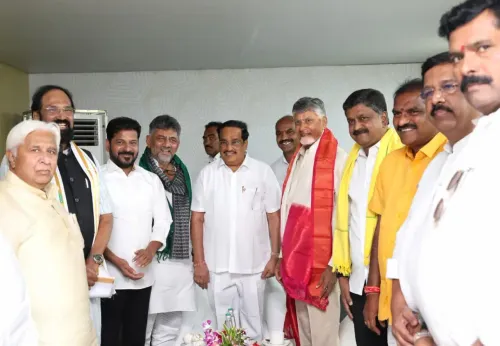
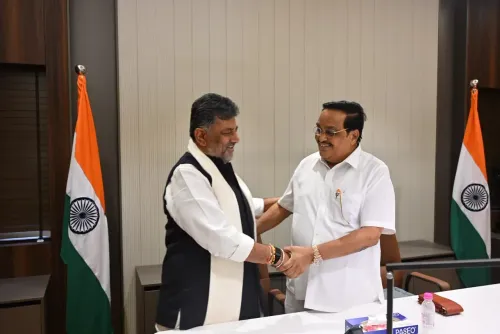
Union Jal Shakti Minister C. R. Paatil on Saturday, 27 June 2026, stated that the central government is committed to finding a permanent solution to water problems in southern Indian states, disclosing that he held meetings with the chief ministers of Karnataka, Telangana, and Andhra Pradesh to discuss water management under the guidance of Prime Minister Narendra Modi.
Context
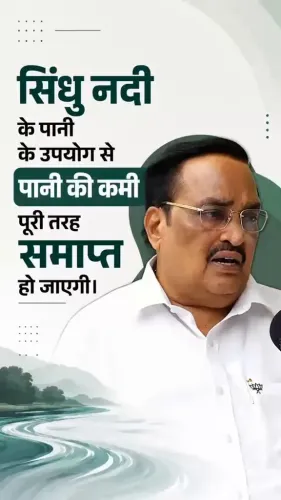
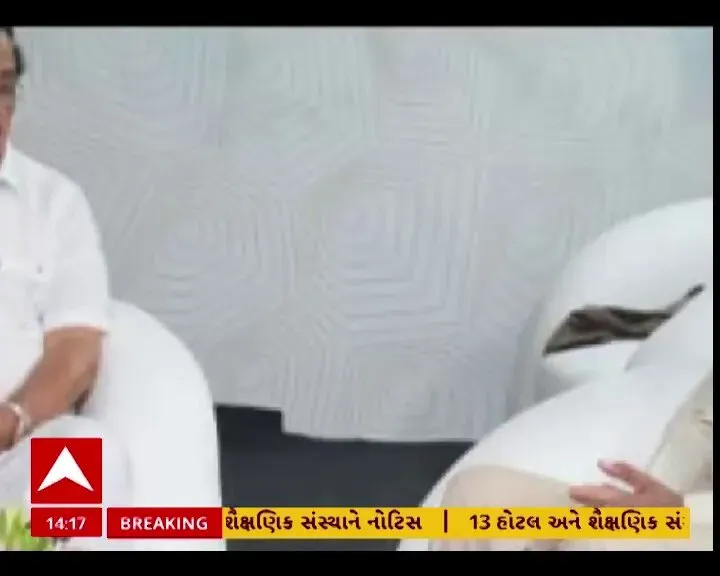
Paatil posted in Gujarati, stating: 'દક્ષિણ ભારતના રાજ્યોમાં પાણીની સમસ્યાના કાયમી ઉકેલ માટે કેન્દ્ર સરકાર કટિબદ્ધ છે' ('The central government is committed to finding a permanent solution to the water problem in southern Indian states'). He described the discussions with the three chief ministers as 'positive', framing them as part of PM Modi's broader water governance agenda. The post was accompanied by a video segment from ABP Asmita, a Gujarati-language news channel, featuring a special report on the meeting.
The three states — Karnataka, Telangana, and Andhra Pradesh — are all riparian stakeholders in the Krishna and Godavari river basins, and have historically been parties to long-standing inter-state water disputes. Karnataka is also a key party in the Cauvery water dispute.
Policy Backdrop
The Ministry of Jal Shakti was constituted in May 2019 by merging the erstwhile ministries of Water Resources and Drinking Water and Sanitation, with the stated aim of enabling integrated river basin management at the national level. The ministry operates within the framework of the Inter-State River Water Disputes Act, 1956, which empowers the central government to constitute tribunals for adjudicating disputes among riparian states.
Proposals for inter-basin water transfers under the National River Linking Project have included southern peninsular river links since the early 2000s, though implementation has been slow due to inter-state disagreements and environmental considerations. Political-level engagements of this kind — where the Union minister directly convenes with state chief ministers — are typically used to build consensus ahead of tribunal hearings, project clearances, or fund disbursements.
Stakeholders and Impact
The most directly affected stakeholders are southern farmers who depend on assured water allocations for irrigation across the Krishna, Godavari, and Cauvery basins. Recurring water stress in the peninsular region has repeatedly disrupted agricultural cycles, making durable inter-state water-sharing arrangements a high-priority political and economic issue for all three state governments.
Urban and industrial water users in cities such as Hyderabad, Bengaluru, and Vijayawada are also stakeholders in long-term water security. The central government's engagement at the chief-ministerial level signals an intent to move beyond purely tribunal-based adjudication toward negotiated, cooperative solutions.
What's Next
The specific date, detailed agenda, and concrete outcomes of the chief ministers' meeting have not been officially confirmed in the public record. Observers will watch for any follow-up announcements — including the constitution of expert or technical committees, revised water-sharing formulas, project sanctions, or related allocations that may be tabled before Parliament.
With southern states facing recurring water stress and inter-state disputes intersecting with ongoing infrastructure projects, the Union government's continued political-level mediation will be closely tracked by riparian state administrations and farming communities alike.
Point of View
Supplementing the slower tribunal route under the Inter-State River Water Disputes Act. For the BJP, visible central engagement on a chronic pain point for southern farmers carries electoral value in states where the party is seeking to expand its footprint. The framing of talks as 'positive' and conducted under PM Modi's guidance is also consistent with the party's broader narrative of decisive federal leadership on infrastructure and resource security. The absence of confirmed outcomes, however, means the announcement must be weighed against the historically slow pace of translating such high-level meetings into binding water-sharing arrangements.
NationPress
27 Jun 2026
Frequently Asked Questions
Why did Jal Shakti Minister CR Paatil meet southern state chief ministers?
Paatil met the chief ministers of Karnataka, Telangana, and Andhra Pradesh to discuss water management and work toward a permanent solution to water problems in southern Indian states, under PM Narendra Modi's guidance.
Which states are involved in the southern India water dispute talks?
Karnataka, Telangana, and Andhra Pradesh are the three states whose chief ministers met with Union Jal Shakti Minister C. R. Paatil for water management discussions.
What is the Ministry of Jal Shakti and what does it do?
The Ministry of Jal Shakti was formed in May 2019 by merging the water resources and drinking water ministries. It oversees integrated river basin management and facilitates resolution of inter-state water disputes.
What rivers are at the centre of southern India's inter-state water disputes?
The Krishna, Godavari, and Cauvery rivers are the primary flashpoints, with Karnataka, Telangana, and Andhra Pradesh all holding stakes in allocations from the Krishna and Godavari basins.
What are the expected outcomes of the Jal Shakti Minister's meeting with southern CMs?
No specific outcomes have been officially confirmed yet. Observers are watching for follow-up expert committee formations, revised water-sharing formulas, project sanctions, or related announcements in Parliament.