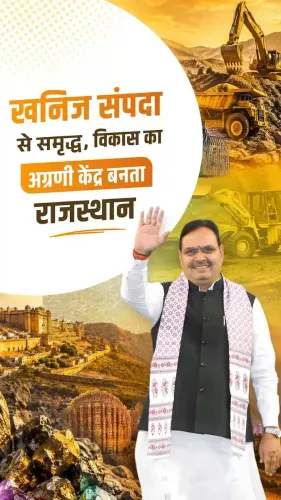
CM Bhajan Lal hails 9 FTAs as gateway for Rajasthan exports
Synopsis
Rajasthan CM Bhajan Lal Sharma says nine FTAs signed under PM Modi's leadership will unlock global markets for the state's handicrafts, jewellery, natural stone, and farm produce, boosting MSMEs, artisans, and exporters under the 'Viksit Bharat' vision.
Key Takeaways
Nine FTAs signed over six years are cited by CM Sharma as opening new global market access for Indian goods.
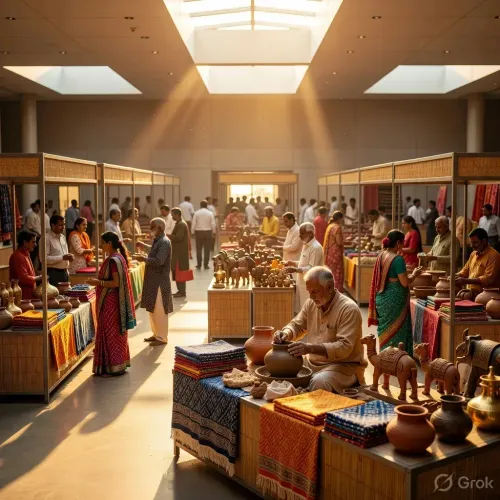
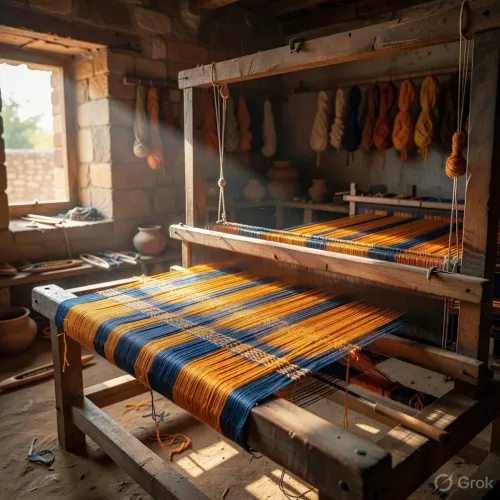
Rajasthan's handicrafts, handlooms, gems and jewellery, natural stone, and agri-food products are the primary beneficiary sectors named.
Confirmed agreements include the India-UAE CEPA and India-Australia ECTA (both 2022) and the India-Mauritius CECPA (2021).
Farmers, artisans, MSMEs, and exporters are expected to gain improved tariff access and investment inflows under the FTA framework.
Sharma linked the trade push to the Viksit Bharat 2047 vision, framing it as a 'local to global' journey for Rajasthan.
Actual gains will depend on how effectively Rajasthan's exporters utilise preferential tariff windows created by these deals.
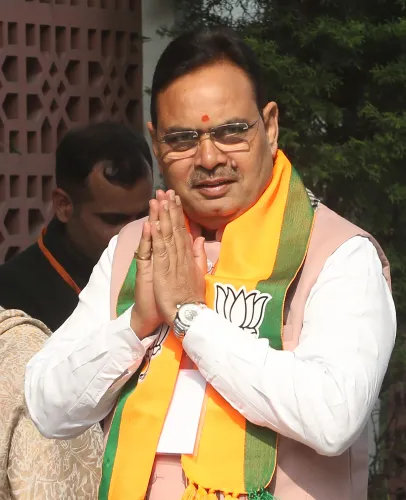
Nine trade deals in six years — and Rajasthan Chief Minister Bhajan Lal Sharma wants the state's artisans, farmers, and gem traders to know the doors are now open. On Thursday, 6 August 2026, Sharma took to X to frame India's accelerating Free Trade Agreement push as a direct economic lifeline for Rajasthan's most labour-intensive export sectors.
Crediting Prime Minister Narendra Modi's 'visionary leadership,' Sharma wrote that the nine FTAs signed over the past six years are giving India's economy 'new momentum' — and singled out Rajasthan's handicrafts, handlooms, jewellery, natural stone, and agri-food products as sectors set to gain the most from widened global market access.
Rajasthan's export clusters at the centre of the FTA opportunity
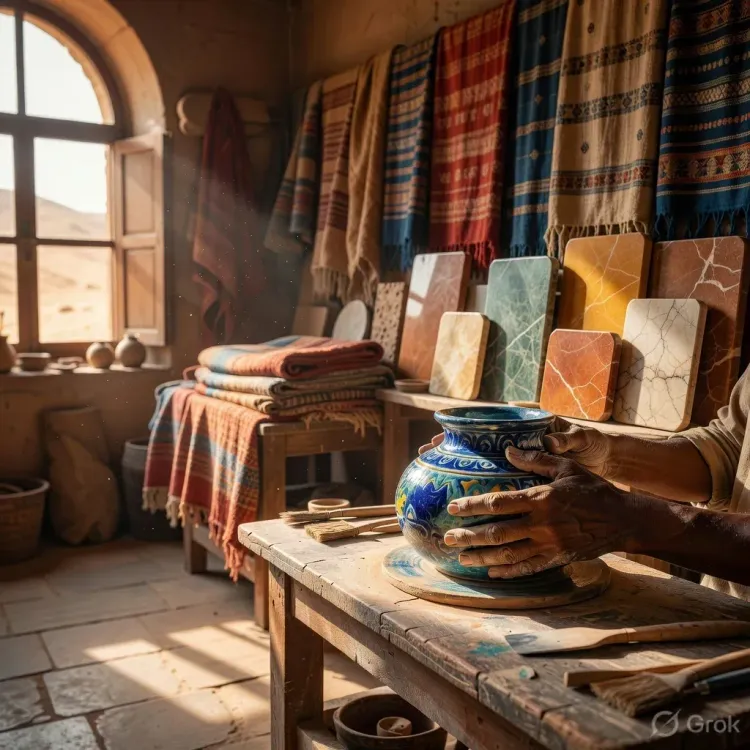
The state's economic identity maps almost perfectly onto the sectors Sharma highlighted. Rajasthan is among India's largest producers of gems and jewellery, natural stone such as sandstone and marble, and hand-crafted textiles — all highly labour-intensive industries where even a modest tariff reduction in a partner country can translate into significant competitive advantage. Sharma's post argued that farmers, artisans, entrepreneurs, MSMEs, and exporters will now enjoy 'better access to international markets,' driving investment, employment, and export earnings.
The national FTA pipeline that underpins this claim includes the India-UAE Comprehensive Economic Partnership Agreement and the India-Australia Economic Cooperation and Trade Agreement, both concluded in 2022, as well as the India-Mauritius Comprehensive Economic Cooperation and Partnership Agreement, which entered into force in 2021. Together these agreements have begun reducing tariff barriers for Indian goods across the Gulf, the Indo-Pacific, and parts of Africa.
'Local to Global' — the Viksit Bharat connect
Sharma framed the moment in the language of the ruling coalition's flagship long-term vision, describing the FTA push as a 'lokal se global' ('local to global') journey that will 'further strengthen the resolve of a developed India and a developed Rajasthan.' The phrase is a direct echo of the Viksit Bharat 2047 target — the central government's ambition to make India a developed economy by the centenary of independence — which explicitly relies on linking state-level production clusters to global value chains.
For a state where gems, stone, and agro-processing anchor entire district economies, the alignment between national trade diplomacy and local livelihood policy is not merely rhetorical. The real test, however, will be in utilisation: how effectively Rajasthan's MSME exporters and artisan cooperatives can actually navigate the preferential tariff windows these agreements create.
Whether the state government follows the post with targeted export-facilitation programmes — trade helpdesks, logistics upgrades, certification support — will determine how much of this global opportunity lands at the workshop floor.
Point of View
Stone, handicrafts, agri-food — he is speaking directly to the state's most politically significant economic constituencies. The 'Viksit Bharat' framing also ties BJP's national brand to state governance performance ahead of future electoral cycles. The critical gap, however, is the distance between trade-agreement signing and actual export utilisation by small producers, which remains the real policy challenge for the Sharma administration.
NationPress
20 Sept 2026
Frequently Asked Questions
What are the nine FTAs India signed in the last six years?
Confirmed agreements include the India-UAE Comprehensive Economic Partnership Agreement and India-Australia Economic Cooperation and Trade Agreement (both 2022), and the India-Mauritius CECPA (2021). The exact list of all nine cited by CM Sharma has not been independently verified from a single public record.
How will India's FTAs benefit Rajasthan's handicraft and jewellery exporters?
FTAs reduce or eliminate import tariffs in partner countries, making Rajasthan's handicrafts, gems, jewellery, and natural stone cheaper and more competitive in those markets, potentially boosting order volumes and employment for artisans and MSMEs.
What is 'Viksit Bharat 2047' and how does it connect to trade policy?
'Viksit Bharat 2047' is the central government's goal to make India a developed economy by 2047, the centenary of independence. FTAs are a key tool in this strategy, linking state-level production clusters — like Rajasthan's gems and stone sectors — to global value chains.
Which Rajasthan sectors stand to gain most from India's FTAs?
CM Sharma specifically named handicrafts, handlooms, gems and jewellery, natural stone, and agricultural and food products as the sectors most likely to benefit from expanded global market access under the FTA framework.
What is the India-UAE CEPA and why does it matter for Rajasthan?
The India-UAE Comprehensive Economic Partnership Agreement, signed in 2022, reduces tariffs on Indian goods entering the UAE — a major re-export hub. For Rajasthan, this is significant because gems, jewellery, and textiles are key exports to the Gulf region.