CM Bhajan Lal Backs Stand-Up India Extension to 2031

Synopsis
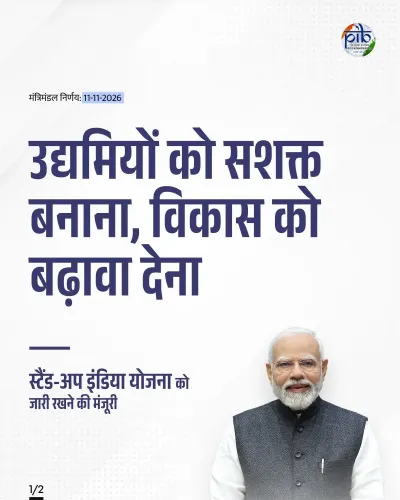
The Union Cabinet has approved a five-year extension of the Stand-Up India scheme through 31 March 2031, targeting 2.5 lakh additional SC/ST and women entrepreneurs with bank loans of ₹10 lakh to ₹1 crore. Rajasthan CM Bhajan Lal Sharma welcomed the move as a boost to inclusive economic growth.
Key Takeaways
Stand-Up India extended by the Union Cabinet through 31 March 2031 — a five-year continuation of the scheme launched in April 2016 .
Target set to reach an additional 2.5 lakh entrepreneurs from women, SC, and ST communities.
Loan range remains ₹10 lakh to ₹1 crore for greenfield enterprises via scheduled commercial banks.
Extension follows the government's pattern of renewing proven credit instruments such as Pradhan Mantri Mudra Yojana rather than launching replacements.
Rajasthan CM Bhajan Lal Sharma publicly endorsed the Cabinet decision, crediting PM Narendra Modi 's leadership.
Disbursement progress and enterprise survival rates through 2031 will be the key metrics to watch.
A decade after it first opened bank doors for India's most underrepresented entrepreneurs, the Stand-Up India scheme is getting five more years — and 2.5 lakh more beneficiaries. Rajasthan Chief Minister Bhajan Lal Sharma welcomed the Union Cabinet's decision on Wednesday, 11 November 2026, to extend the flagship credit programme through 31 March 2031, calling it a milestone for inclusive growth and economic self-reliance.
Posting in Hindi on X, CM Sharma wrote: 'Samaveeshi vikas evam udyamita ko nayi gati dene wale is nirnay ke liye... hardik aabhar!' — ('Heartfelt gratitude for this decision that gives fresh momentum to inclusive development and entrepreneurship!')What the Stand-Up India Extension Actually Means
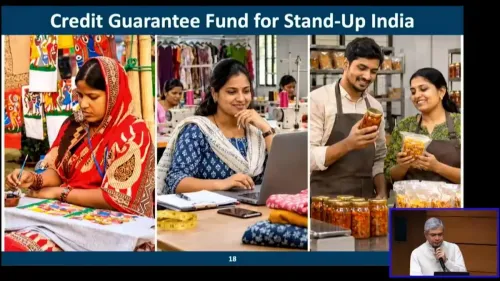
The scheme, originally launched in April 2016 under Prime Minister Narendra Modi, was designed with a precise mandate: get formal bank credit — between ₹10 lakh and ₹1 crore — into the hands of women entrepreneurs and those from Scheduled Caste (SC) and Scheduled Tribe (ST) communities for starting greenfield enterprises. The Cabinet's fresh sanction sets a target of reaching an additional 2.5 lakh entrepreneurs under the extended timeline, widening a pipeline that already runs through every scheduled commercial bank in the country.
What makes the loan bracket significant is its positioning. At ₹10 lakh on the floor, it steps above micro-finance territory; at ₹1 crore on the ceiling, it reaches into small-business scale. That range is designed to fund real enterprises — manufacturing units, trading outfits, service ventures — not just subsistence activity.
A Policy Playbook Built on Continuity
The extension follows the central government's established pattern of renewing targeted credit instruments that show traction, rather than replacing them with new branding. Stand-Up India runs parallel to the Pradhan Mantri Mudra Yojana, which similarly focuses on collateral-light lending for micro and small businesses. Together, they form the backbone of the government's financial-inclusion architecture — one addressing micro-loans, the other pushing formal bank credit toward historically excluded groups at a larger ticket size.
Extending a scheme to 2031 also signals institutional commitment beyond electoral cycles — it locks in bank obligations and government oversight mechanisms for the medium term, giving prospective entrepreneurs and lenders alike a stable planning horizon.
Rajasthan's Stake in the Numbers
For a state like Rajasthan — where SC and ST communities constitute a substantial share of the population and women-led enterprise remains underpenetrated in formal credit markets — the extension carries direct consequence. CM Sharma's public endorsement is as much a signal to state-level implementers and bank branches as it is a nod to Delhi. The on-ground question, as the extended programme unfolds toward 2031, will be whether disbursement rates and enterprise survival numbers keep pace with the ambition written into the target.
The watch item now is execution: loan disbursement data, enterprise viability beyond year one, and whether the 2.5 lakh target translates into sustainable businesses — or just sanctioned files.
Point of View
The administration is essentially institutionalising targeted credit access for SC/ST and women entrepreneurs as a structural feature of economic policy rather than a campaign promise. CM Bhajan Lal Sharma's prompt endorsement also signals Rajasthan's intent to actively leverage the extension, particularly relevant given the state's demographic composition. The real political and economic dividend, however, will depend on whether loan disbursement and enterprise viability data catch up with the ambition of the 2.5 lakh target by 2031.
NationPress
11 Nov 2026
Frequently Asked Questions
What is the Stand-Up India scheme?
Stand-Up India is a central government scheme launched in April 2016 that provides bank loans between ₹10 lakh and ₹1 crore to women and Scheduled Caste/Scheduled Tribe entrepreneurs for setting up greenfield enterprises.
How long has the Stand-Up India scheme been extended?
The Union Cabinet has approved a five-year extension of the scheme, continuing it through 31 March 2031.
How many new beneficiaries will Stand-Up India cover in its extended phase?
The extended scheme targets an additional 2.5 lakh entrepreneurs from women, SC, and ST communities.
What loan amount can entrepreneurs get under Stand-Up India?
Eligible entrepreneurs can receive bank loans ranging from ₹10 lakh to ₹1 crore under the Stand-Up India scheme for greenfield business ventures.
What did Rajasthan CM Bhajan Lal Sharma say about the Stand-Up India extension?
CM Bhajan Lal Sharma welcomed the Cabinet decision on 11 November 2026, saying it gives fresh momentum to inclusive development and entrepreneurship, and expressed gratitude to PM Narendra Modi and the Union Cabinet.