CM Bhajan Lal Urges Rajasthan to Pledge Eye Donation
Synopsis
Rajasthan Chief Minister Bhajan Lal Sharma marked an eye-donation awareness day on 10 June 2026 with an appeal on X, urging citizens to pledge their eyes and bring new light to corneal-blind patients. His call echoes India's long-running efforts to bridge the gap between cornea demand and supply.
Key Takeaways
Rajasthan Chief Minister Bhajan Lal Sharma posted an eye-donation appeal on 10 June 2026 , marking an eye-donation awareness observance.
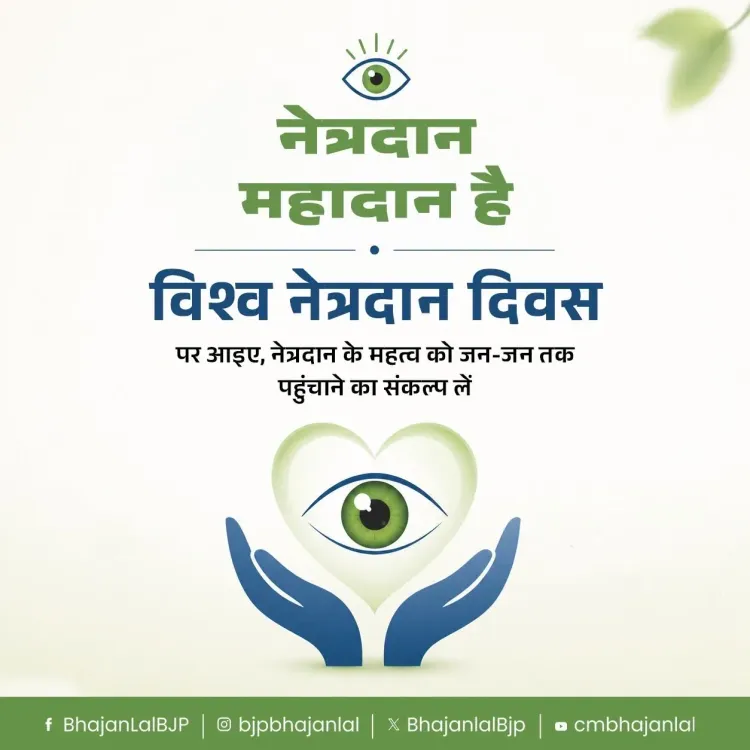
He declared 'Netradaan Mahadaan hai!' — 'Eye donation is the greatest donation' — urging a collective public pledge.
A single eye donor can restore sight to up to two corneal-blind recipients through transplantation.
India's legal basis for eye donation is the Transplantation of Human Organs Act, 1994 .
The National Programme for Control of Blindness , running since 1976 , includes corneal blindness reduction as a core goal.
India continues to face a persistent gap between cornea demand and eye-bank supply, making awareness campaigns from senior leaders significant.
Rajasthan Chief Minister Bhajan Lal Sharma on Wednesday, 10 June 2026 called on citizens to pledge eye donation, marking an eye-donation awareness day with an appeal to light up the lives of the visually impaired. The BJP leader posted the message on X, urging every individual to resolve that their eyes would bring new light to someone living in darkness.
Context
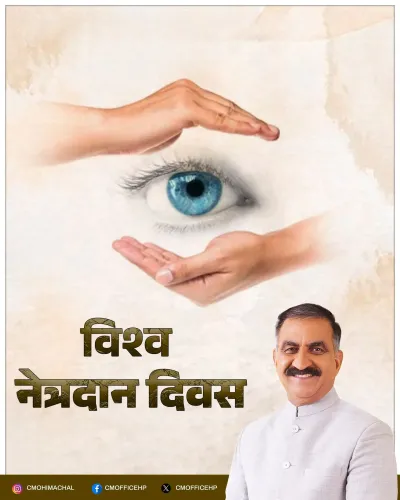
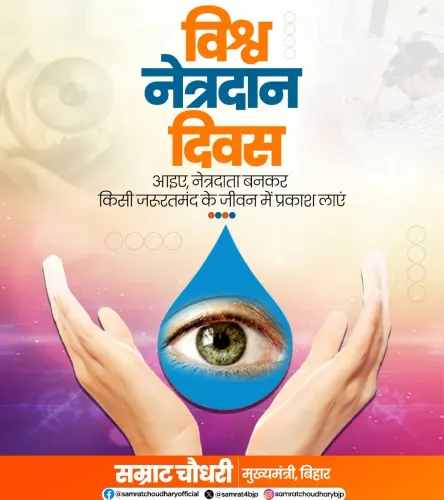
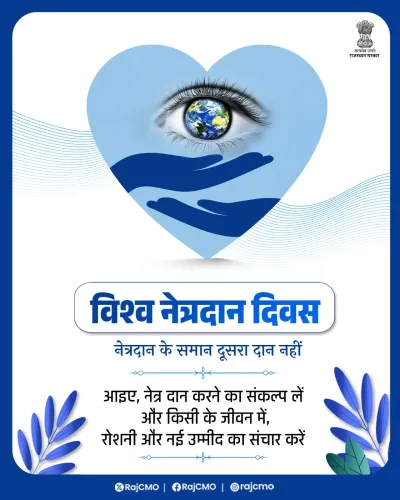
Sharma's post, written in Hindi, opens with the declaration 'Netradaan Mahadaan hai!' ('Eye donation is the greatest donation!') before calling for a collective pledge. He wrote: 'Your one decision can become new light and new hope in someone's dark world.' The message was accompanied by an image and posted early morning, timed to coincide with the awareness observance.
Eye donation enables corneal transplantation, which can restore sight to patients suffering from corneal blindness — a condition where the transparent front layer of the eye is damaged or diseased. A single donor can restore vision in up to two recipients.
Policy Backdrop
India's legal framework for eye and organ donation rests on the Transplantation of Human Organs Act, 1994, which established the procedures for consent, removal, and transplantation of human organs including eyes. The Act has been amended over the years to streamline the donation process and expand the pool of authorised transplant centres.
At the national level, the National Programme for Control of Blindness, launched in 1976, has long included corneal blindness reduction as a core objective, with eye-donation awareness forming a pillar of its outreach. Rajasthan's health department has participated in these national efforts, running campaigns through district hospitals and eye banks across the state.
Despite decades of awareness drives, India continues to face a significant gap between the demand for donor corneas and the supply available through eye banks, prompting state governments and public figures to amplify voluntary pledge campaigns on designated health observance days.
Stakeholders and Impact
The primary beneficiaries of increased eye donation are patients on corneal transplant waiting lists — individuals for whom a successful graft can mean the difference between blindness and functional sight. Donor families, counselled at the time of a loved one's death, are the critical link in the chain, and public messaging from senior leaders is intended to normalise the conversation around posthumous donation.
Rajasthan, a large state with a significant rural population and historically limited access to specialised ophthalmic care, stands to gain meaningfully from any uptick in voluntary pledges. Eye banks in cities such as Jaipur serve as collection and distribution hubs for the state's corneal transplant network.
What's Next
Observers and health advocates will watch whether the Chief Minister's public appeal is followed by concrete administrative steps — such as expanded eye-bank infrastructure funding in the state budget, new pledge-drive targets set by the Rajasthan health department, or partnerships with hospitals to increase trained cornea-retrieval teams. Awareness messaging from the top of government is most impactful when paired with on-ground capacity to collect, preserve, and transplant donated tissue. The broader national push to close the cornea supply gap will depend on sustained, multi-level commitment of exactly this kind.
Point of View
However, lies downstream: awareness posts generate pledges only when backed by accessible registration infrastructure and trained retrieval teams at district hospitals. If Rajasthan follows this appeal with budgetary action on eye-bank capacity, it could mark a meaningful step in closing the state's cornea supply gap.
NationPress
15 Sept 2026
Frequently Asked Questions
What did Rajasthan CM Bhajan Lal Sharma say about eye donation?
On 10 June 2026, CM Bhajan Lal Sharma posted on X calling eye donation the greatest donation and urging every citizen to pledge their eyes, saying one person's decision can bring new light and hope to someone living in darkness.
What is World Eye Donation Day?
Eye-donation awareness days are observed to encourage voluntary pledges for posthumous corneal donation; in India, such observances are part of the broader National Programme for Control of Blindness framework, though the exact date of any specific observance should be verified with official health authorities.
How does eye donation work in India?
Under the Transplantation of Human Organs Act, 1994, eyes can be donated posthumously; trained teams retrieve the corneas within hours of death, which are then stored in eye banks and transplanted into patients with corneal blindness, potentially restoring sight to two recipients per donor.
What is the National Programme for Control of Blindness?
Launched in 1976 by the Government of India, the National Programme for Control of Blindness aims to reduce preventable and curable blindness through awareness, treatment, and promotion of eye donation, with state health departments including Rajasthan participating in its implementation.
Why is eye donation important in India?
India has a significant gap between the number of patients waiting for corneal transplants and the supply of donor corneas available through eye banks, making voluntary pledges and public awareness drives by leaders like the Rajasthan Chief Minister critical to bridging that shortfall.