CM Bhajan Lal: Cooperative Movement Reaches Villages in 2.5 Years
Synopsis
Rajasthan Chief Minister Bhajan Lal Sharma on 6 July 2026 claimed the cooperative movement has reached every village in the state over 2.5 years, marking the milestone under the national #SahkarSeSamriddhiKe5Saal campaign. The push aligns with India's cooperative revival drive launched via the Ministry of Cooperation in 2021.
Key Takeaways
Bhajan Lal Sharma posted on 6 July 2026 claiming the cooperative movement has reached villages across Rajasthan in the past 2.5 years .
The post is tagged under #SahkarSeSamriddhiKe5Saal , linking state achievements to a national five-year cooperative campaign.
The Ministry of Cooperation was established by the Government of India in July 2021 to provide focused policy support to cooperatives nationwide.
Rajasthan 's cooperative sector spans dairy, credit, and marketing societies, with small farmers and rural households as primary beneficiaries.
State-level data on new cooperative registrations and budget provisions in the next session will be key to verifying the outreach claims.
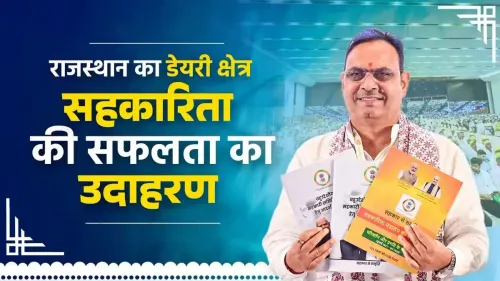
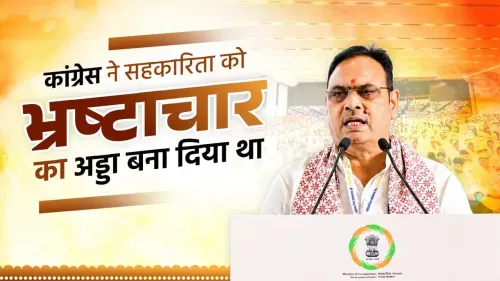
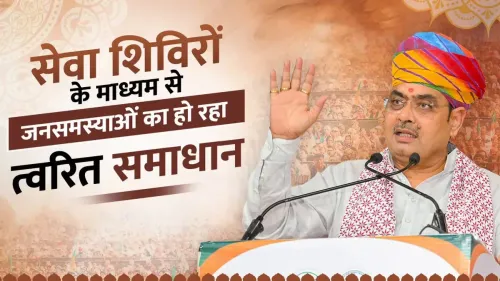
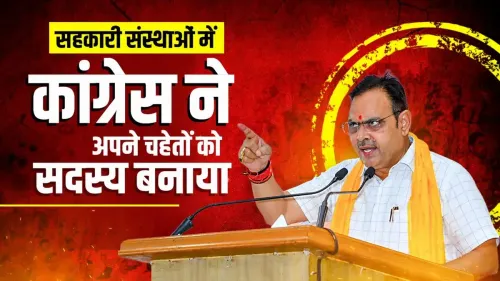
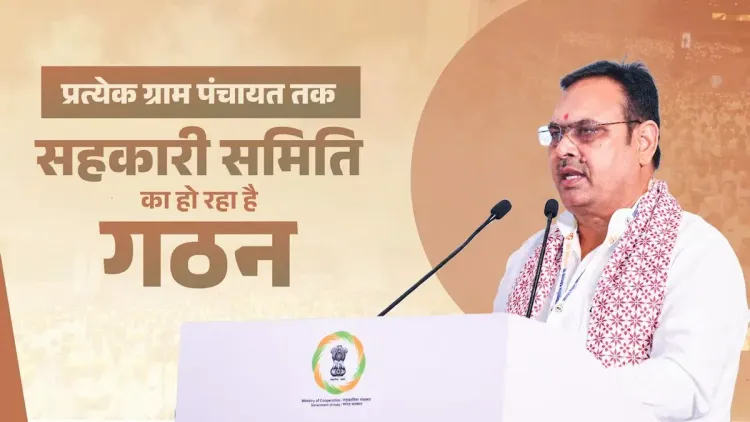
Rajasthan Chief Minister Bhajan Lal Sharma on Monday, 6 July 2026, highlighted the expansion of the cooperative movement across Rajasthan's villages, marking what he described as a significant milestone in rural economic outreach over the past two-and-a-half years. The post, shared under the campaign hashtag #SahkarSeSamriddhiKe5Saal (Five Years of Prosperity Through Cooperation), was accompanied by a video underlining cooperative sector achievements at the grassroots level.
Context
Bhajan Lal Sharma assumed office as Chief Minister of Rajasthan in December 2023, following the Bharatiya Janata Party's victory in the state assembly elections. His post states, 'पिछले 2.5 वर्षों में राजस्थान में सहकारिता आंदोलन गांव-गांव तक पहुँचा है' — 'In the last 2.5 years, the cooperative movement in Rajasthan has reached village to village.' The claim situates the outreach within his government's tenure, framing cooperative expansion as a core rural-development deliverable.
The hashtag #SahkarSeSamriddhiKe5Saal links the state-level messaging to a broader national campaign celebrating five years of cooperative sector initiatives, aligning Rajasthan's narrative with the central government's cooperative push since 2021.
Policy Backdrop
The Government of India established the Ministry of Cooperation in July 2021 to provide dedicated policy support and institutional focus to the cooperative sector nationwide — a move widely seen as an attempt to revive a sector that had long operated without a standalone ministry. Since then, states have been encouraged to register new cooperative societies, extend primary agricultural credit societies to uncovered villages, and strengthen dairy and marketing cooperatives.
Rajasthan, with its large rural and agricultural population, is a significant theatre for this push. The state has cooperatives active across dairy, credit, and marketing sectors, and the broader national pattern has seen a wave of new society registrations at the village level. The Chief Minister's post fits squarely within this nationwide mobilisation, presenting Rajasthan's progress as a model of grassroots cooperative outreach.
Stakeholders and Impact
The primary beneficiaries of an expanded cooperative network are small and marginal farmers and rural self-help groups who gain access to affordable credit, input supply, and collective marketing channels — reducing dependence on informal moneylenders and intermediaries. In a state where agriculture and allied activities sustain a large share of the workforce, deeper cooperative penetration can translate into measurable income gains at the household level.
Rural cooperatives also serve as delivery mechanisms for government welfare schemes, making their reach a multiplier for broader social-sector outcomes. Dairy cooperatives in particular provide a regular cash income stream for women-led households, a dynamic visible across Rajasthan's semi-arid districts.
What's Next
Attention will now turn to whether the state government releases granular data on new cooperative registrations, member enrolment figures, and credit disbursement numbers to substantiate the outreach claims. The next Rajasthan budget session will be a key indicator of how much fiscal space the government is prepared to allocate for village-level cooperative infrastructure.
Any announcement of a state-level cooperative conclave or a formal report card tied to the #SahkarSeSamriddhiKe5Saal campaign would signal how the ruling party intends to leverage cooperative sector momentum ahead of future electoral cycles.
Point of View
Anchoring state-level credit to the BJP's national rural-economy messaging. By invoking a 2.5-year milestone, the communication serves a dual purpose: validating his own government's performance since December 2023 and reinforcing the party's broader 'Sahkar Se Samriddhi' brand ahead of future electoral cycles. The cooperative sector, long underfunded and fragmented, has emerged as a politically convenient vehicle because its benefits — affordable credit, collective marketing, dairy income — are tangible and village-level visible. The real test will be whether verifiable data on new registrations and credit disbursements backs the rhetorical sweep of 'village to village' outreach.
NationPress
6 Jul 2026
Frequently Asked Questions
What did Rajasthan CM Bhajan Lal Sharma say about cooperatives?
He stated that in the past 2.5 years, the cooperative movement in Rajasthan has reached village to village, posting under the #SahkarSeSamriddhiKe5Saal campaign on 6 July 2026.
What is the #SahkarSeSamriddhiKe5Saal campaign?
It is a national campaign marking five years of cooperative sector initiatives aimed at rural prosperity, aligned with efforts by the central government and various states since the Ministry of Cooperation was established in July 2021.
When was the Ministry of Cooperation set up in India?
The Ministry of Cooperation was established by the Government of India in July 2021 to provide dedicated policy and institutional support to the cooperative sector across all states.
How do cooperatives benefit farmers in Rajasthan?
Cooperatives give small and marginal farmers access to affordable credit, collective marketing, and input supply, reducing dependence on informal moneylenders and improving household incomes, particularly through dairy cooperatives in rural districts.
What should we watch for next on Rajasthan cooperatives?
Key indicators will be state-level data on new cooperative registrations, member enrolment, and credit disbursement figures, as well as budget provisions for village cooperative infrastructure in the next Rajasthan budget session.