CM Bhajan Lal Targets Congress Over Cooperative Reforms
Synopsis
Rajasthan CM Bhajan Lal Sharma has accused the previous Congress government of enrolling political favourites in cooperative institutions, pledging his BJP administration will make the sector transparent, inclusive, and beneficial for every section of society.
Key Takeaways
CM Bhajan Lal Sharma accused the previous Congress government of filling cooperative institutions with political loyalists.
The BJP government claims it is making Rajasthan's cooperative sector transparent, inclusive, and people-centred .
The Government of India created a dedicated Ministry of Cooperation in July 2021 to strengthen and digitise the sector nationally.
The BJP won the Rajasthan assembly elections in December 2023 , ending the Ashok Gehlot -led Congress government's five-year tenure.
Rajasthan's cooperative network — spanning credit, dairy, and agricultural societies — is a key economic lifeline for the state's rural farmers.
Future budget allocations and cooperative election laws will be key indicators of whether the reform agenda moves beyond rhetoric.
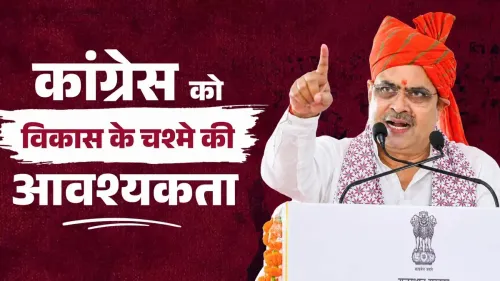
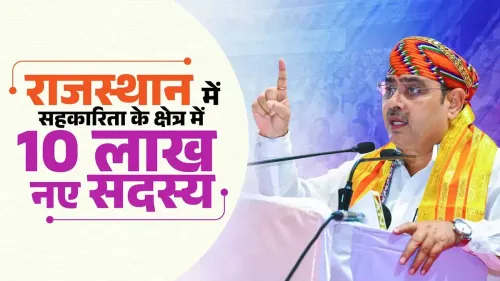
Rajasthan Chief Minister Bhajan Lal Sharma on Sunday, 31 May 2026, accused the previous Congress government of filling cooperative institutions with political favourites, asserting that his BJP administration is reorienting the sector toward transparency, inclusivity, and citizen-centric governance.
Context
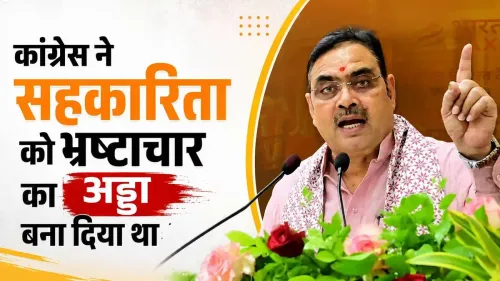
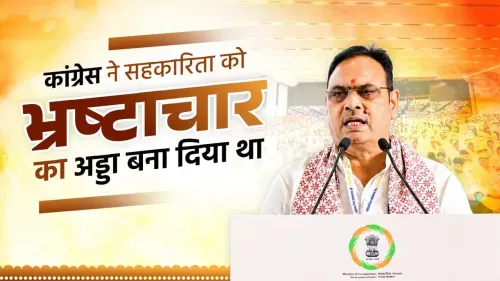
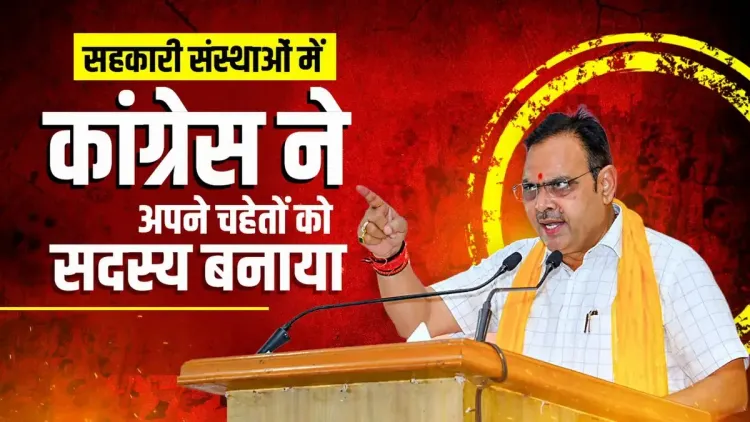
In a post on X, CM Sharma stated: 'Congress ne sahkari sansthaon mein apne chaheton ko sadasy banaya' ('Congress enrolled its favourites as members of cooperative institutions'), contrasting that with his government's stated mission to make cooperatives 'transparent, inclusive, and people-centred so that every section of society benefits.'
The remark is a direct broadside at the Ashok Gehlot-led Congress administration that governed Rajasthan from 2018 to 2023, which the BJP has repeatedly accused of partisan appointments in public bodies.
Policy Backdrop
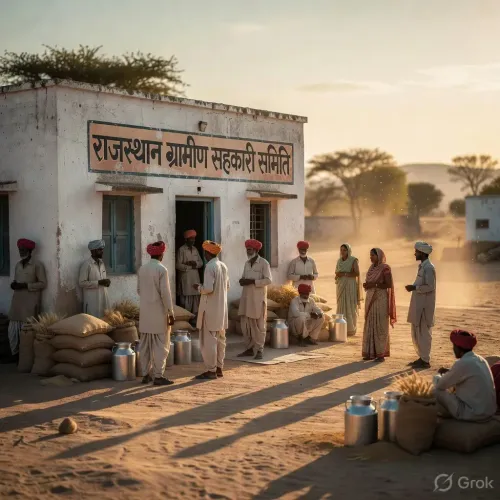
The cooperative sector in Rajasthan — encompassing credit societies, dairy federations, and agricultural supply chains — is a critical pillar of the state's rural economy, directly touching the lives of farmers and marginal workers across its 33 districts.
At the national level, the Government of India established a dedicated Ministry of Cooperation in July 2021 to digitise and strengthen the sector, with a particular focus on Primary Agricultural Credit Societies (PACS). After the BJP's December 2023 assembly election victory in Rajasthan, the incoming government initiated reviews of cooperative bodies to probe alleged irregularities under the prior administration.
Similar post-transition audits and reform rhetoric have accompanied BJP-led governments in Madhya Pradesh and Chhattisgarh, positioning cooperative reform as a marker of governance contrast with Congress rule.
Stakeholders and Impact
The primary beneficiaries of a reformed cooperative ecosystem would be rural farmers, self-help group members, and small-scale borrowers who depend on credit societies for seasonal financing and input procurement.
If the government's transparency push translates into open membership rolls, independent audits, and digitised records, it could reduce the scope for political intermediaries to control access to cooperative resources. However, the pace and depth of these changes will determine whether the stated intent reaches the grassroots.
Opposition Congress leaders are likely to contest the characterisation, arguing that cooperative membership drives under their tenure were legally conducted and expanded rural participation rather than restricting it.
What's Next
Watchers of Rajasthan's cooperative sector will look to the state's forthcoming budget allocations and any legislative amendments governing cooperative elections, audits, and membership criteria as tangible tests of the government's reform claims.
Possible alignment with central digital platforms for PACS and integration with the national cooperative database could lend institutional weight to CM Sharma's stated agenda, moving the conversation from political point-scoring to measurable outcomes for Rajasthan's rural communities.
Point of View
While keeping the opposition on the defensive ahead of any cooperative elections or audits. The attack on 'favouritism' in cooperatives is a well-worn BJP playbook move, deployed effectively in Madhya Pradesh and Chhattisgarh after similar transitions. What distinguishes this moment is the national policy tailwind — the central Ministry of Cooperation provides institutional cover and resources that earlier state-level reform efforts lacked. The real test will be whether Rajasthan produces verifiable outcomes such as digitised membership rolls or independent audit reports, or whether the rhetoric remains unmatched by structural change.
NationPress
22 Sept 2026
Frequently Asked Questions
What did Rajasthan CM Bhajan Lal Sharma say about Congress and cooperatives?
CM Bhajan Lal Sharma accused the previous Congress government of enrolling political favourites as members of cooperative institutions, and stated his BJP government is working to make cooperatives transparent, inclusive, and beneficial for all sections of society.
What are cooperative institutions in Rajasthan?
Cooperative institutions in Rajasthan include credit societies, dairy federations, and agricultural supply bodies that provide rural farmers and workers with financing, input procurement, and market access. They are a critical part of the state's rural economy.
What is the Ministry of Cooperation and when was it set up?
The Government of India established the Ministry of Cooperation in July 2021 to strengthen and digitise the cooperative sector, with a focus on Primary Agricultural Credit Societies and broader rural economic inclusion.
Who was the Chief Minister of Rajasthan before Bhajan Lal Sharma?
Ashok Gehlot of the Congress party served as Chief Minister of Rajasthan from 2018 to 2023. The BJP won the December 2023 assembly elections, after which Bhajan Lal Sharma was appointed Chief Minister.
What reforms is the Rajasthan government planning for cooperatives?
The Rajasthan government has signalled plans for transparent membership processes, independent audits, and possible alignment with central digital platforms for cooperative societies, though specific legislative or budgetary measures are yet to be formally announced.