CM Bhajan Lal extends Rajasthan seva shivirs to Aug 31
Synopsis
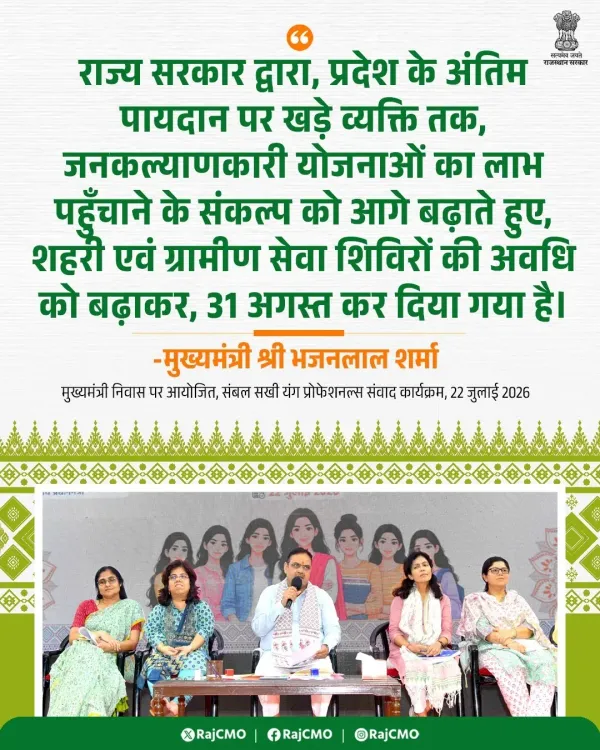
The Rajasthan government has extended its urban and rural seva shivirs — welfare scheme delivery camps — to 31 August 2026, aiming to reach the state's most marginalised residents. Chief Minister Bhajan Lal Sharma's office announced the move as part of the administration's inclusive governance push under the 'Aapno Agrani Rajasthan' initiative.
Key Takeaways
The Chief Minister's Office of Rajasthan announced on 23 July 2026 that seva shivirs have been extended to 31 August 2026 .
Both urban and rural service camps are covered under the extension.
The camps are designed to deliver jan kalyan yojana benefits to the last mile, targeting economically weaker and marginalised sections.
Chief Minister Bhajan Lal Sharma , who has led the Rajasthan BJP government since December 2023 , was tagged in the announcement.
The extension is framed under the government's 'Aapno Agrani Rajasthan' ('Our Leading Rajasthan') initiative.
Beneficiary enrolment outcomes and potential further extensions will be watched after the 31 August deadline.
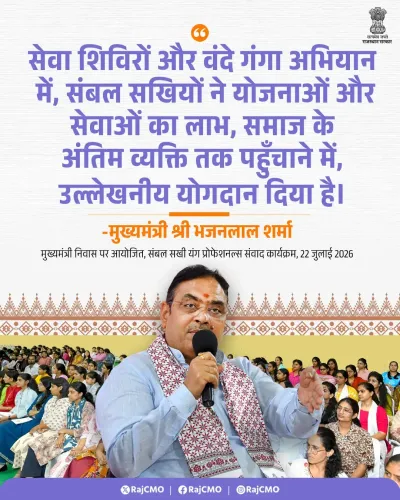
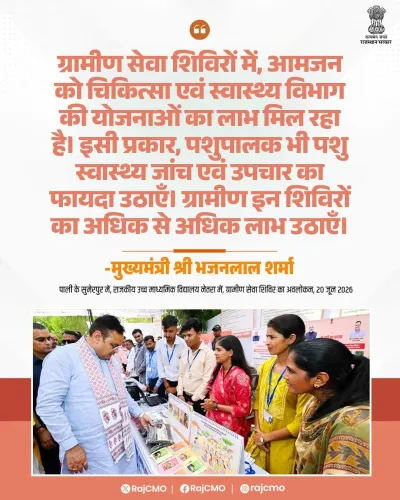
The Chief Minister's Office of Rajasthan announced on Thursday, 23 July 2026 that the duration of urban and rural service camps (seva shivirs) across the state has been extended to 31 August 2026, reinforcing the government's commitment to delivering welfare scheme benefits to the last person in the queue.
Context
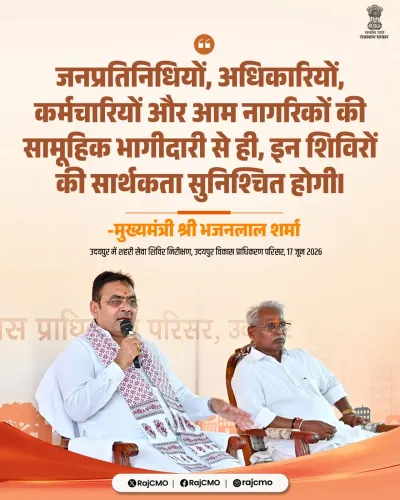
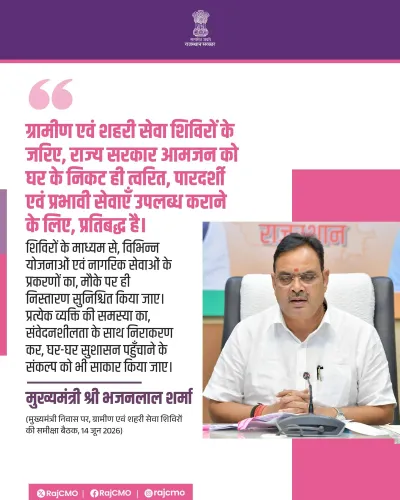
The CMO's post, tagged to Chief Minister Bhajan Lal Sharma, states that the extension is aimed at advancing the state government's resolve to take public welfare schemes — jan kalyan yojanas — to 'the person standing on the last rung' of society. The hashtag #आपणो_अग्रणी_राजस्थान ('Our Leading Rajasthan') underscores the administration's branding around inclusive governance.
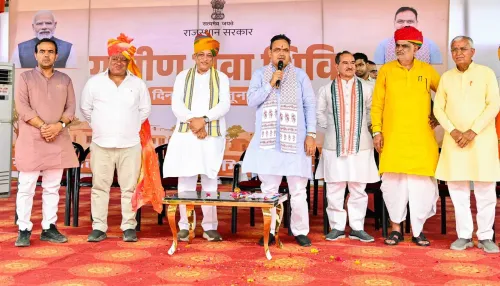
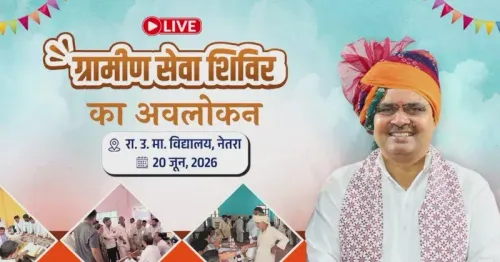
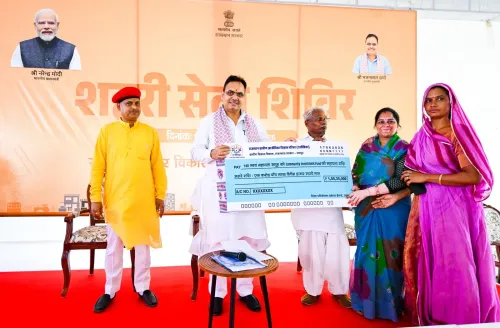
Seva shivirs are government-organised camps set up in both urban localities and rural villages to bring scheme enrolment, documentation, and benefit disbursal directly to residents, eliminating the need for beneficiaries to travel to distant offices.
Policy Backdrop
Since assuming office in December 2023 after the Rajasthan assembly elections, the Bhajan Lal Sharma-led BJP government has placed camp-based outreach at the centre of its welfare delivery strategy. The approach targets economically weaker sections and marginalised communities who face barriers in accessing government services through conventional channels.
Welfare schemes covered under these camps typically span a range of entitlements — including pensions, health coverage, housing benefits, and subsidies — that form the backbone of last-mile social protection in Rajasthan. The extension to 31 August suggests the administration is seeking to maximise beneficiary enrolment before the camps conclude.
Stakeholders and Impact
The primary beneficiaries are rural and urban poor across Rajasthan who have not yet accessed eligible welfare entitlements. For many, these camps represent the most accessible point of contact with government schemes, particularly in remote or underserved areas where administrative infrastructure is thin.
Local government machinery — including district collectors, urban local bodies, and panchayat-level officials — is expected to coordinate the extended camp schedule. A longer operational window gives field teams additional time to identify and enrol eligible households that may have been missed in earlier phases.
What's Next
With the deadline now set at 31 August 2026, attention will turn to beneficiary enrolment figures and scheme saturation rates when the camps conclude. Any shortfall in coverage or logistical gaps could prompt a further extension or a targeted follow-up drive. The administration's ability to demonstrate measurable outcomes from these camps will be a key indicator of its grassroots governance credentials ahead of future political cycles in Rajasthan.
Point of View
Ground-level proof of welfare delivery — a strategy that blends administrative intent with political optics ahead of future electoral cycles. For the Bhajan Lal Sharma government, which is still consolidating its governance identity after winning power in late 2023, extending the deadline signals both administrative responsiveness and an acknowledgement that first-phase coverage may have been incomplete. The 'last rung' framing is politically deliberate, echoing the Antyodaya philosophy that has long anchored BJP's welfare messaging. How effectively the extended window translates into verifiable enrolment gains will determine whether this becomes a replicable model or a routine administrative adjustment.
NationPress
23 Jul 2026
Frequently Asked Questions
What are seva shivirs in Rajasthan?
Seva shivirs are government-organised service camps set up in urban and rural areas across Rajasthan to help residents enrol in and access benefits from public welfare schemes without visiting distant government offices.
Why has Rajasthan extended seva shivirs to 31 August 2026?
The Rajasthan government extended the seva shivirs to 31 August 2026 to ensure that welfare scheme benefits reach the most marginalised residents, including those in remote areas who may not have been covered in the initial camp phase.
Which welfare schemes are covered at Rajasthan seva shivirs?
The camps cover a range of jan kalyan yojanas, typically including pensions, health coverage, housing benefits, and subsidies targeted at economically weaker and marginalised sections of society.
Who is Bhajan Lal Sharma and what is his role in this announcement?
Bhajan Lal Sharma is the Chief Minister of Rajasthan from the BJP, in office since December 2023. The CMO's announcement was tagged to him, indicating the extension is a decision of his administration.
What happens after the 31 August 2026 seva shivir deadline in Rajasthan?
After the deadline, the government is expected to assess beneficiary enrolment figures and scheme saturation. Depending on coverage outcomes, a further extension or a targeted follow-up drive may be announced.