CM Bhajan Lal flags new momentum in Rajasthan water projects
Synopsis
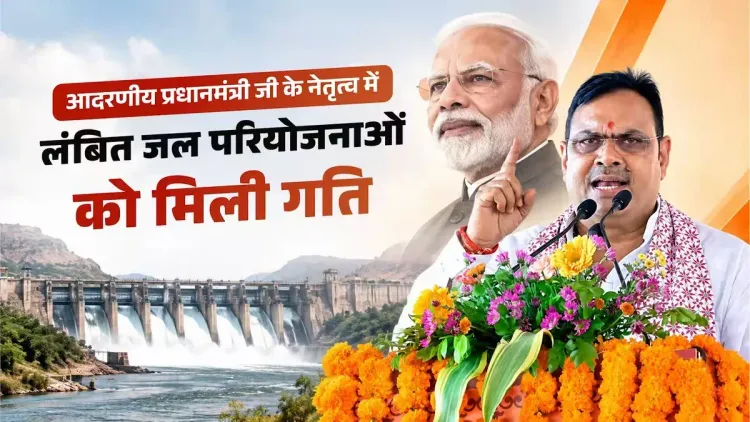
Rajasthan CM Bhajan Lal Sharma credited PM Narendra Modi's leadership on September 25, 2026, for reviving long-stalled water projects in the state, saying the push under the Seva Sankalp Abhiyan banner would deliver water security to farmers and rural households across water-stressed Rajasthan.
Key Takeaways
Rajasthan CM Bhajan Lal Sharma posted on September 25, 2026 , crediting PM Narendra Modi with accelerating long-pending water infrastructure projects in the state.
Sharma said the projects will strengthen water security in Rajasthan and benefit both farmers and common citizens .
The post was tagged under #SevaSankalpAbhiyan , linking the messaging to a broader BJP governance and outreach campaign.
Rajasthan is one of India's most water-stressed states , with chronic deficits in both drinking water and irrigation infrastructure.
The Jal Jeevan Mission , launched in 2019 , has been a key central scheme targeting rural tap-water connections in Rajasthan and other priority states.
Progress will be tracked through state budget outlays , assembly session updates, and central scheme utilisation audits.
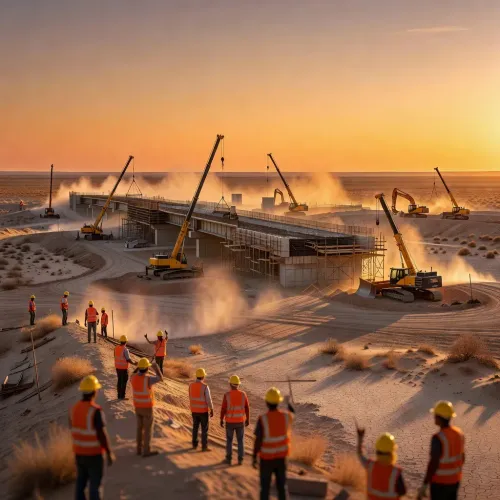
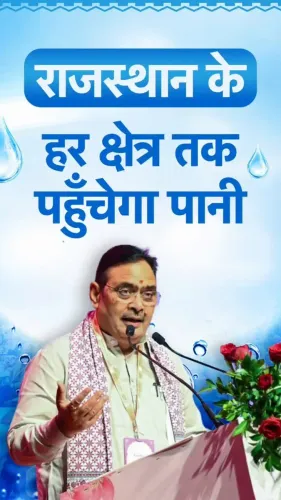
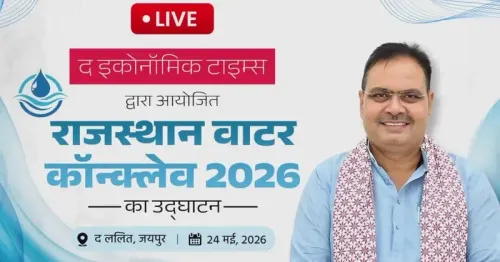
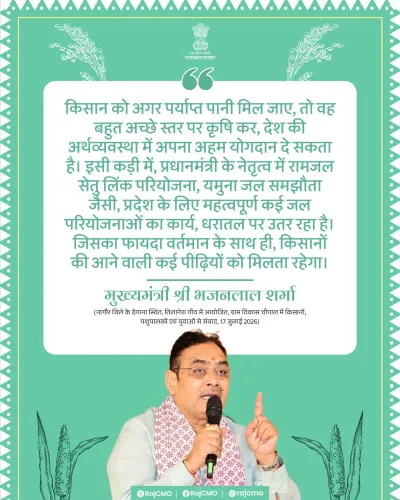
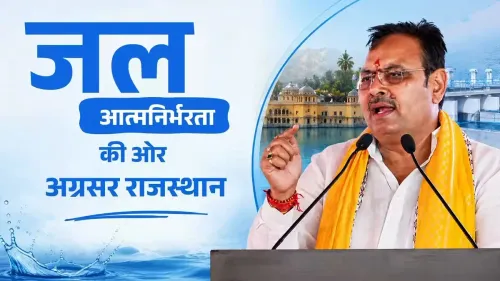
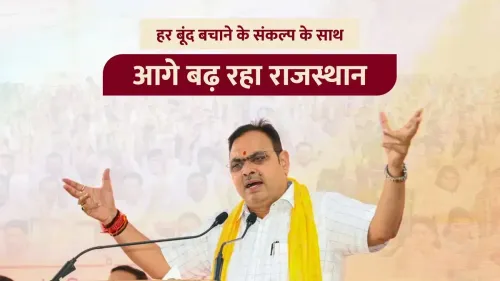
Rajasthan's chronic water crisis may be entering a new chapter. Rajasthan Chief Minister Bhajan Lal Sharma on Friday, September 25, 2026, credited Prime Minister Narendra Modi's leadership for reviving long-stalled water infrastructure projects in the state, saying the push would strengthen water security for farmers and ordinary citizens alike.
Posting on X under the hashtag #SevaSankalpAbhiyan, Sharma wrote: 'Under the respected leadership of Prime Minister Shri Narendra Modi ji, water projects pending for years have gained new momentum. These projects will strengthen water security in Rajasthan and benefit farmers and common people.' The message signals an active coordination between the BJP-led state government in Jaipur and the Centre in New Delhi on one of Rajasthan's most persistent developmental challenges.
Why Rajasthan's water deficit is a perennial crisis
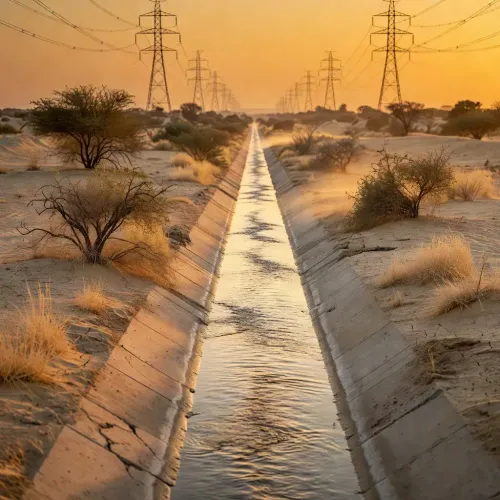
Rajasthan is India's largest state by area and one of its most water-stressed. Straddling the Thar Desert and depending heavily on seasonal monsoon run-off, it faces a dual burden: inadequate drinking water for rural households and insufficient irrigation for an agrarian population that makes up a significant share of its workforce. Infrastructure gaps — many of them decades old — have compounded the problem, leaving major canal and reservoir projects incomplete long after their deadlines.
The Jal Jeevan Mission, launched by the Modi government in 2019, set an ambitious target of providing functional household tap connections to every rural home in India, with Rajasthan among the priority states. The mission represented a shift from the earlier piecemeal approach toward a nationally coordinated, time-bound push — and it gave state governments both a funding pipeline and political accountability to show progress.
Seva Sankalp Abhiyan and the Centre-state messaging axis
The hashtag #SevaSankalpAbhiyan — roughly, 'Service and Resolve Campaign' — frames this post within a broader BJP outreach effort linking grassroots welfare delivery to the party's governance narrative. Sharma's mention of 'years-pending' projects is pointed: it implicitly contrasts the current momentum with the pre-2023 Congress administration in Rajasthan, a contrast the ruling party has consistently drawn on infrastructure and rural welfare.
For Rajasthan's farmers — who depend on assured irrigation to move beyond rain-fed cultivation — and for rural households still dependent on tankers or distant hand-pumps, the completion of stalled water projects would be materially significant. The state's agricultural output, particularly in districts bordering the Thar, remains hostage to water availability in ways that ripple into incomes, migration, and rural debt.
What the next milestones will reveal
The real test of this 'new momentum' will come in the numbers: fund utilisation figures in the state budget, project completion timelines tabled in the Rajasthan assembly, and central scheme audit reports. Water-infrastructure outlays are notoriously slow to translate from sanction to tap — and Rajasthan has seen that gap before. If the political signal Sharma is now sending is matched by ground-level delivery, it could reshape the state's rural development story heading into the next electoral cycle.
Point of View
Where agrarian distress and drinking-water deficits carry real electoral weight, signalling movement on stalled projects is both a governance statement and a political investment. The framing under #SevaSankalpAbhiyan suggests a coordinated party-wide communication push rather than a standalone announcement. The credibility of the messaging, however, will ultimately rest on project-completion timelines and verified fund utilisation — metrics that will surface in upcoming state budget sessions and central scheme reviews.
NationPress
25 Sept 2026
Frequently Asked Questions
What did Rajasthan CM Bhajan Lal Sharma say about water projects?
CM Bhajan Lal Sharma said that under PM Narendra Modi's leadership, long-pending water projects in Rajasthan have gained new momentum and will benefit farmers and common citizens by strengthening water security in the state.
What is the Jal Jeevan Mission and how does it affect Rajasthan?
Jal Jeevan Mission is a central government scheme launched in 2019 to provide functional household tap connections to all rural homes in India. Rajasthan, as a water-stressed state, is one of its priority focus areas.
What is Seva Sankalp Abhiyan?
Seva Sankalp Abhiyan is a BJP outreach and governance campaign under which party leaders and state governments highlight welfare and development initiatives. CM Sharma used its hashtag in his post on water infrastructure.
Why is Rajasthan so dependent on water infrastructure projects?
Rajasthan is India's largest state by area and one of its most arid, with large parts falling in the Thar Desert. It faces severe shortages of both drinking water and irrigation supply, making large infrastructure projects critical for agriculture and rural livelihoods.
How will progress on Rajasthan water projects be measured?
Progress will be tracked through fund utilisation data in the Rajasthan state budget, project completion updates tabled in the state assembly, and audit reports on central schemes such as Jal Jeevan Mission.