CM Bhajan Lal Warns Rajasthan of Nautapa Heatwave
Synopsis
Rajasthan Chief Minister Bhajan Lal Sharma issued a public appeal on 27 May 2026 urging residents to stay safe during the Nautapa heatwave, advising hydration, care for the vulnerable, community water points, and provisions for animals as temperatures soar across the state.
Key Takeaways
CM Bhajan Lal Sharma issued a heatwave safety advisory on 27 May 2026 amid the Nautapa period in Rajasthan.
Residents were urged to drink adequate water and fluids and avoid stepping out during peak sunlight hours.
Special care was advised for children, the elderly, and the unwell .
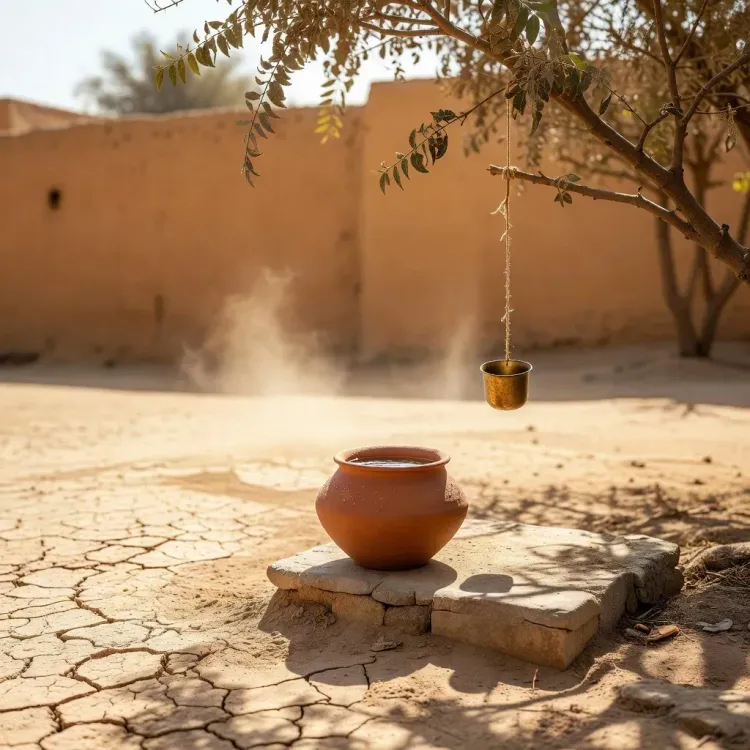
Citizens were asked to set up pyaau (public water points), shade, and cool water at public places.
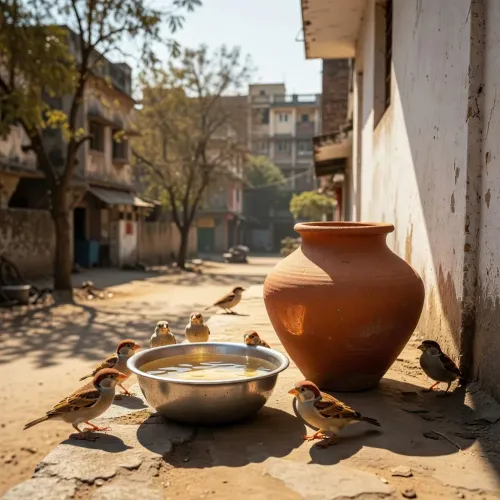
The advisory extended to animal welfare, calling on people to leave water and grain for animals and birds.
The appeal aligns with NDMA heatwave guidelines adopted by Rajasthan and district-level heat action plans.
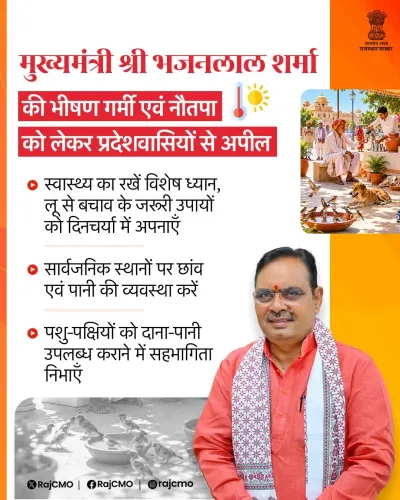
Rajasthan Chief Minister Bhajan Lal Sharma on Wednesday, 27 May 2026 issued a public health appeal to the people of Rajasthan, urging residents to take precautions as the state endures a severe heatwave driven by the traditional nine-day Nautapa (period of intense summer heat) period. The Chief Minister called on citizens to prioritise their health and safety and to extend community support to the vulnerable during the extreme weather.
Context
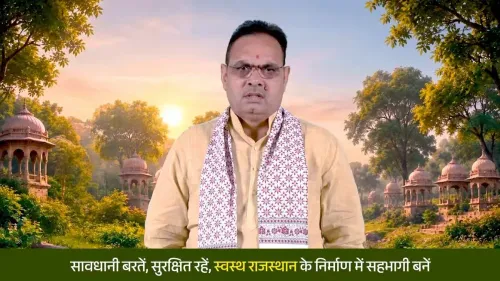
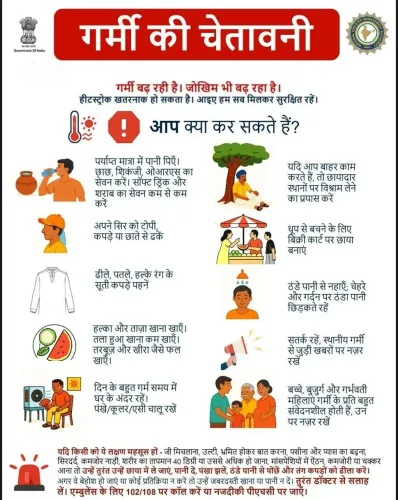
In his post, Sharma wrote: 'Dear residents of the state, Rajasthan is currently going through a period of intense heat due to Nautapa. In view of rising temperatures and the impact of heat waves, I urge all of you to give the highest priority to your health and the safety of your families.' He specifically asked people to consume adequate water and fluids, keep a close watch on children, the elderly, and the unwell, and avoid stepping out in direct sunlight during peak hours.
The Chief Minister also called on residents to follow health and safety guidelines issued by the administration and the state health department. He appealed to the public to set up pyaau (public water-distribution points), shade, and cool drinking water at public places, and to leave out water and grain for animals and birds.
Policy Backdrop
Rajasthan, India's largest state by area, encompasses vast arid and semi-arid zones where summer temperatures routinely exceed 45°C in several districts, particularly in the Thar Desert belt. The state is among the most heat-stressed in the country during the May–June period.
The National Disaster Management Authority (NDMA) issued national guidelines for heatwave preparation and mitigation in 2016, which several states including Rajasthan have since adapted into district-level heat action plans. These plans typically activate temporary shelters, hydration centres, and public health surveillance when temperatures breach defined thresholds.
Nautapa — literally 'nine heats' — is a traditional marker in the Hindu calendar, usually falling in late May to early June, when the sun transits the Rohini constellation. It is widely associated with the most intense heat of the summer in northern and western India, and public advisories around this period have become a recurring feature of state governance in Rajasthan.
Stakeholders and Impact
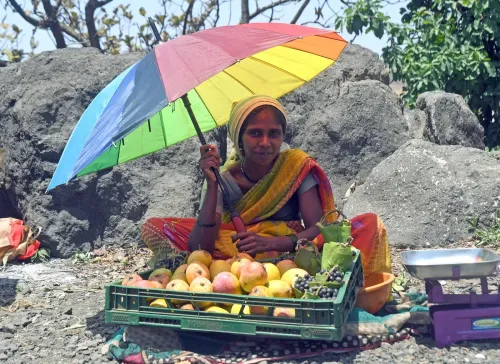
The advisory directly concerns Rajasthan's population of over 8 crore people, with the most at-risk groups being the elderly, children, outdoor labourers, and livestock. Rural communities and urban informal workers who cannot avoid daytime outdoor exposure face the greatest health risk from heat stroke and dehydration.
The Chief Minister's appeal to set up community water points draws on a longstanding cultural tradition across Rajasthan and broader northern India, where volunteer-run pyaau and charitable water distribution have historically served as a grassroots safety net during summer months. His mention of care for animals and birds reflects a value system deeply embedded in the state's social fabric.
What's Next
The state health department is expected to monitor heat-related illness reports across districts in the coming weeks, with district administrations potentially activating temporary relief shelters and emergency health services where temperatures remain critical. The appeal signals that the government is in a preparatory and awareness-raising mode ahead of any formal escalation of administrative response. How quickly ground-level relief infrastructure is operationalised will be closely watched by public health observers and local communities alike.
Point of View
He broadens the appeal beyond a standard government notice into a social-solidarity message. The inclusion of animal welfare is a subtle but deliberate signal to a constituency that prizes such values, particularly in a BJP-governed state. Whether the advisory translates into measurable on-ground relief infrastructure will ultimately define its policy impact beyond optics.
NationPress
19 Sept 2026
Frequently Asked Questions
What is Nautapa and why is it dangerous in Rajasthan?
Nautapa is a traditional nine-day period of intense heat in the Hindu calendar, usually in late May to early June, when temperatures in Rajasthan can exceed 45°C, making it one of the most dangerous heat spells of the year in the state.
What precautions did CM Bhajan Lal Sharma advise during the heatwave?
CM Sharma advised residents to drink plenty of water and fluids, avoid going out in direct sunlight, take special care of children, the elderly, and the sick, follow health department guidelines, and set up community water points and shade at public places.
Does Rajasthan have a formal heat action plan?
Yes. Rajasthan has adapted the National Disaster Management Authority's national heatwave guidelines into district-level heat action plans that can activate emergency shelters, hydration centres, and health surveillance when temperatures cross critical thresholds.
Who is most at risk during Rajasthan's summer heatwave?
The elderly, children, people with existing illnesses, outdoor labourers, and rural communities who cannot avoid daytime sun exposure are considered the most vulnerable groups during Rajasthan's peak summer heat.
What is a pyaau and why did the CM mention it?
A pyaau is a community-run public water-distribution point, a longstanding charitable tradition in Rajasthan and northern India. CM Sharma urged citizens to set up pyaau at public places to provide free drinking water to passers-by during the heatwave.