CM Bhajan Lal Launches Chandan Van Project for Green Rajasthan
Synopsis
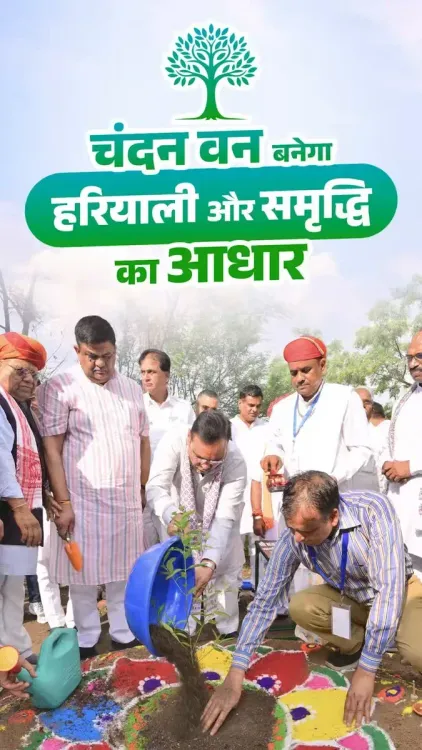
Rajasthan CM Bhajan Lal Sharma announced the Chandan Van Project on 12 November 2026, aiming to expand green cover and biodiversity while creating rural employment, positioning the state's arid landscape for a livelihood-linked forestry transformation.
Key Takeaways
CM Bhajan Lal Sharma announced the Chandan Van Project on 12 November 2026 to increase green cover across Rajasthan.
The project targets environmental conservation, biodiversity , and new livelihood opportunities for local communities simultaneously.
The initiative focuses on high-value species planting, with sandalwood ( chandan ) at its core — linking ecological and economic returns.
The government frames the project as central to building a 'green and developed Rajasthan,' connecting it to both state development goals and national afforestation targets.
Rajasthan has historically low forest cover, making afforestation a recurring priority under schemes like the Green India Mission and National Afforestation Programme .
District-level rollout details, budget allocations, and implementation guidelines are yet to be announced.
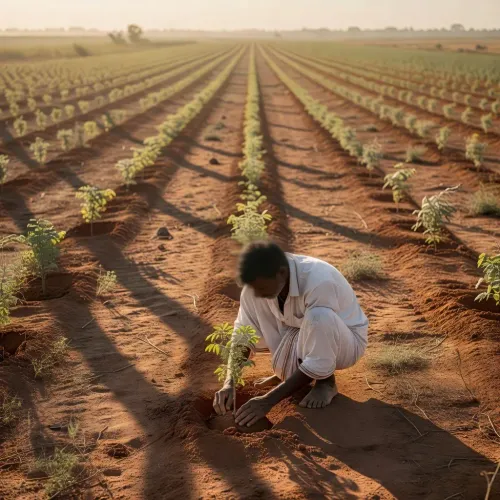
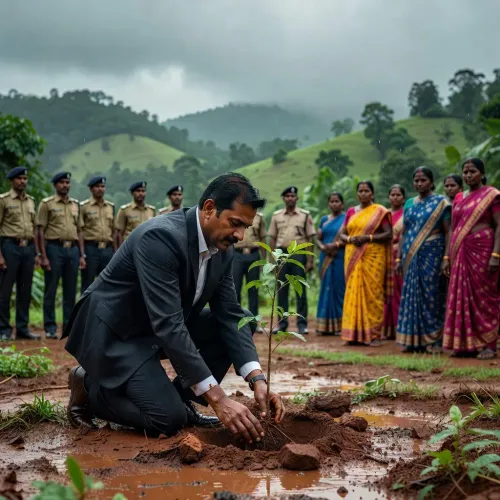
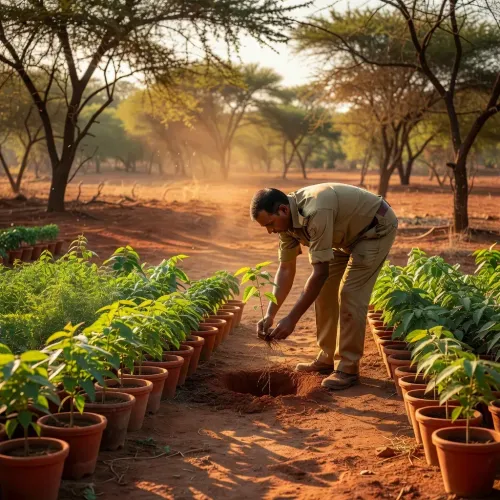
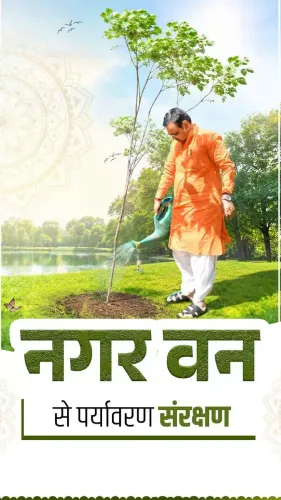
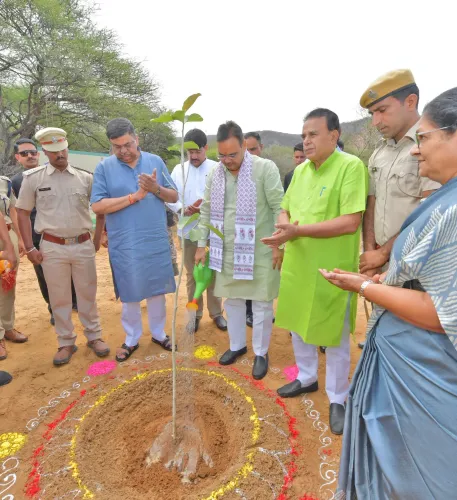
Rajasthan's vast arid landscape — long defined by its sparse tree cover and climate vulnerability — may be on the cusp of a transformation. Rajasthan Chief Minister Bhajan Lal Sharma announced on Thursday, 12 November 2026, that the Chandan Van Project will drive greening efforts across the state while simultaneously creating employment and livelihood opportunities for rural communities.
Posting in Hindi on X, CM Sharma declared: 'The Chandan Van Project will give new momentum to environmental conservation, biodiversity, and local livelihoods, alongside increasing green cover across the state. Our government is firmly resolved to build a green and developed Rajasthan by creating new opportunities for employment and prosperity alongside nature conservation.'
Sandalwood as a High-Value Green Bet
The project's name — Chandan Van, meaning 'sandalwood forest' — signals a deliberate pivot toward high-value species planting, a strategy that links ecological restoration directly with economic returns. Sandalwood is among India's most commercially prized timber species, and its cultivation in a state-backed plantation programme could offer farmers and rural households a long-term income stream while expanding forest cover in one of India's most tree-scarce regions.
Rajasthan ranks among the states with the lowest forest cover in the country, with its western districts dominated by desert terrain. That ecological reality has made afforestation a recurring policy priority across successive state governments, embedded within national frameworks like the Green India Mission and the National Afforestation Programme since the 2010s.
Rural Communities at the Centre of the Plan
The Chief Minister's framing was explicit: greening and livelihood creation are not competing goals but parallel ones. This positions the Chandan Van Project within a broader model of livelihood-linked forestry — where local farmers and rural workers are not bystanders to plantation drives but active participants with a financial stake in the outcome.
Rajasthan governments have historically promoted such schemes in desert districts, recognising that plantation programmes without income incentives rarely sustain community participation. By anchoring the project to employment and prosperity, the Sharma government is betting that economic self-interest will do what policy mandates alone cannot: keep the trees alive.
What the Rollout Will Reveal
The announcement sets an ambitious direction, but the substance will emerge in the details — state budget allocations, district-level implementation guidelines, the scale of land earmarked, and whether the rollout reaches the most climate-exposed communities in the state's arid west. Those specifics are yet to be made public.
For a state that has pledged to contribute to India's national green cover expansion targets while accelerating its own development agenda, the Chandan Van Project is an early test of whether ecological ambition and rural prosperity can genuinely grow together — not just in a headline, but on the ground.
Point of View
With one of India's lowest forest-cover ratios and a large agrarian population, livelihood-linked forestry is not just good ecology but sound electoral strategy. The real test will be whether implementation delivers at scale in the state's most arid, underserved districts, or whether the initiative remains a well-intentioned headline. If the sandalwood model succeeds, it could become a template other desert-state governments look to replicate.
NationPress
12 Nov 2026
Frequently Asked Questions
What is the Chandan Van Project in Rajasthan?
The Chandan Van Project is a Rajasthan government initiative announced by Chief Minister Bhajan Lal Sharma to increase green cover across the state through plantation of high-value species including sandalwood, while simultaneously creating employment and livelihood opportunities for rural communities and supporting biodiversity conservation.
Who announced the Chandan Van Project?
Rajasthan Chief Minister Bhajan Lal Sharma announced the Chandan Van Project on 12 November 2026 via a post on X, stating the government's commitment to building a green and developed Rajasthan.
How will the Chandan Van Project benefit rural communities?
CM Sharma has framed the project as a vehicle for creating new employment and prosperity opportunities alongside environmental conservation, placing local communities and farmers at the centre of the livelihood-linked forestry model.
What is Rajasthan's current forest cover situation?
Rajasthan has historically low forest cover compared to other Indian states, with large arid and semi-arid regions, particularly in the western districts. This has made afforestation a recurring policy priority under national programmes like the Green India Mission.
When will the Chandan Van Project be implemented across Rajasthan?
District-level rollout details, timelines, and budget allocations for the Chandan Van Project have not yet been made public. These specifics are expected to emerge through forthcoming state government announcements and budget exercises.