CM Bhajan Lal Reviews Revenue Targets, Orders Anti-Evasion Drive
Synopsis
Rajasthan CM Bhajan Lal Sharma on 9 July 2026 chaired a review meeting with revenue-earning department officers, directing them to meet FY 2026-27 targets on schedule, crack down on tax evasion, and simplify processes so that governance benefits reach ordinary citizens.
Key Takeaways
CM Bhajan Lal Sharma held a review meeting with revenue-earning department officers on 9 July 2026 .
Officials were directed to ensure time-bound achievement of FY 2026-27 revenue targets.
Effective action against tax evasion was a key directive from the chief minister.
The CM ordered simplification of revenue processes and faster, transparent resolution of pending cases.
Departmental functioning is to be made more effective, transparent and accountable.
The stated goal is to deliver quick relief to citizens and extend good governance to the 'last person'.
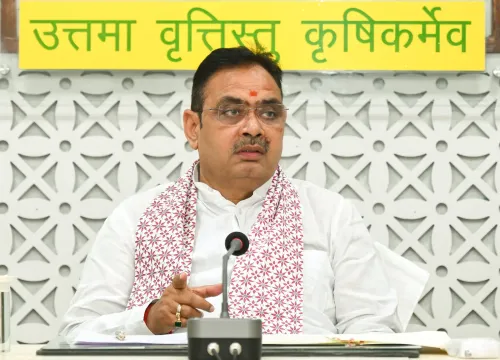
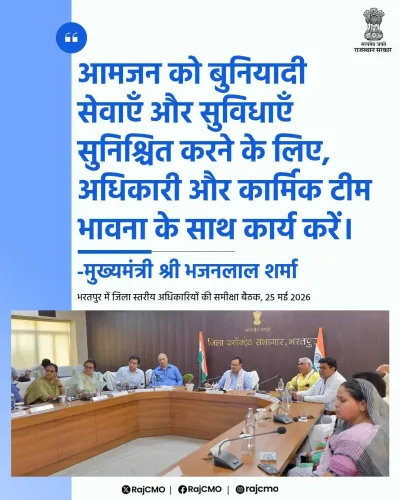
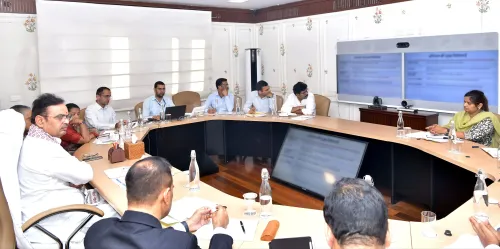
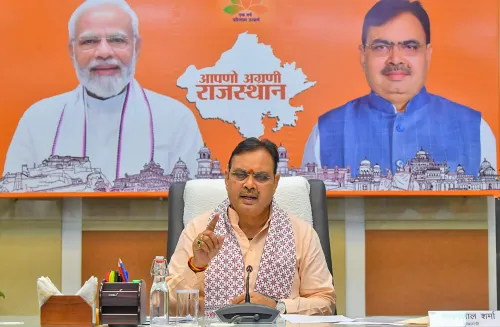
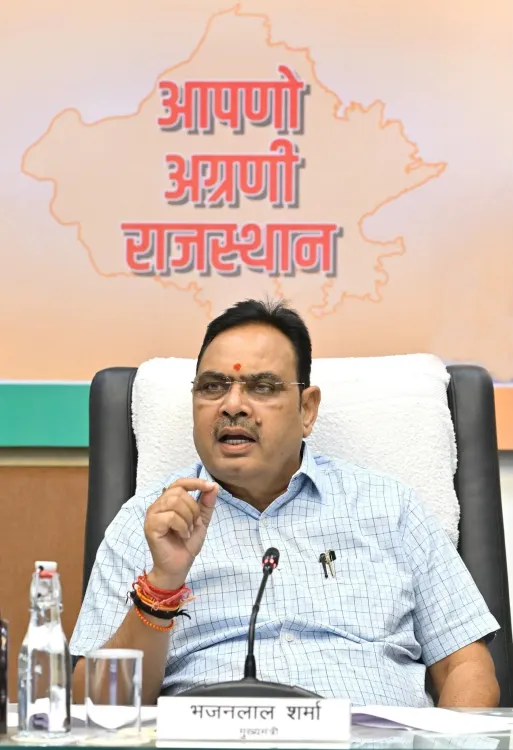
Rajasthan Chief Minister Bhajan Lal Sharma on Thursday, 9 July 2026 chaired a high-level review meeting with officers of revenue-earning departments, directing them to ensure time-bound achievement of the state's fiscal year 2026-27 revenue targets and to take effective action against tax evasion.
Posting on X, CM Sharma said he had instructed officials to simplify revenue processes, resolve pending cases in a time-bound and transparent manner, and make departmental functioning 'more effective, transparent and accountable' — ताकि आमजन को त्वरित राहत मिले और सुशासन का लाभ अंतिम व्यक्ति तक पहुंचे (so that ordinary citizens receive quick relief and the benefits of good governance reach the last person).
Context
The meeting brought together officers from multiple revenue-earning departments of the Rajasthan government. The chief minister's directive covered three broad areas: meeting annual revenue targets on schedule, cracking down on tax evasion, and streamlining the resolution of pending cases before these departments.
The review comes at a mid-point in the financial year when state governments typically assess own-tax and non-tax revenue collection against annual projections and course-correct before the second half of the fiscal cycle.
Policy Backdrop
When the BJP government took office in Rajasthan in December 2023, administrative reform, transparency in governance and anti-evasion measures were flagged as core policy priorities. Wednesday's directives are broadly consistent with that stated agenda.
Across Indian states, mid-year revenue reviews have become a standard governance instrument, used to tighten compliance, plug leakages, and align state finances with ease-of-living goals ahead of the next budget cycle. Rajasthan's exercise mirrors similar annual efforts in other states aimed at improving collection efficiency and reducing taxpayer grievances through digitisation and process simplification.
Stakeholders and Impact
Revenue department officials across the state are the immediate addressees of the chief minister's directions, and are expected to align their collection strategies and case-disposal timelines accordingly. Taxpayers and common citizens stand to benefit from the promised simplification of revenue processes and faster resolution of pending matters.
The emphasis on reaching the 'last person' signals that the administration is framing this fiscal exercise not merely as a collection drive but as a service-delivery and accountability push — a framing consistent with the BJP's broader 'Antyodaya' governance narrative at both the state and central levels.
What's Next
Quarterly revenue collection data from the Rajasthan finance department will be the clearest indicator of whether the directions translate into measurable improvement in target achievement. Any proposals for legislative or procedural rule changes to further streamline revenue processes are likely to surface during the next state budget session.
Sustained follow-through on anti-evasion enforcement and case-disposal timelines will determine the practical impact of CM Sharma's directives on both state finances and citizen experience with revenue administration.
Point of View
But the public framing — linking collection targets directly to citizen relief and last-mile governance — reflects a deliberate political messaging choice consistent with the BJP's 'Antyodaya' brand. Directing officials simultaneously on revenue targets, anti-evasion enforcement, and process simplification suggests the administration is trying to balance fiscal pressure with ease-of-living optics ahead of the second half of the financial year. The test will be in the quarterly numbers: whether collection efficiency actually improves and case-disposal backlogs shrink. If results materialise, the exercise strengthens the government's reform credentials; if not, the gap between directive and delivery becomes a political liability.
NationPress
9 Jul 2026
Frequently Asked Questions
What did Rajasthan CM Bhajan Lal Sharma announce on 9 July 2026?
CM Bhajan Lal Sharma chaired a review meeting with revenue-earning department officers and directed them to meet FY 2026-27 revenue targets on time, take effective action against tax evasion, and simplify revenue processes for faster and transparent resolution of cases.
Which departments were part of the revenue review meeting held by CM Bhajan Lal?
The meeting involved officers from revenue-earning departments of the Rajasthan government. The CM's post did not name individual departments but covered all departments responsible for generating state revenue.
What is Rajasthan's FY 2026-27 revenue target?
The specific revenue target figure for FY 2026-27 was not disclosed in the chief minister's post or in publicly verified records available at this time.
How is the Rajasthan government planning to crack down on tax evasion?
CM Sharma directed revenue officials to take 'effective action' against tax evasion and to make departmental functioning more transparent and accountable, though specific enforcement mechanisms were not detailed in the post.
What does this revenue review mean for ordinary citizens of Rajasthan?
The CM stated that the goal of simplifying revenue processes and ensuring time-bound case disposal is to provide quick relief to common citizens and ensure that the benefits of good governance reach the last person.