CM Bhajan Lal Reviews Sainik Kalyan, Orders Time-Bound Welfare
Synopsis
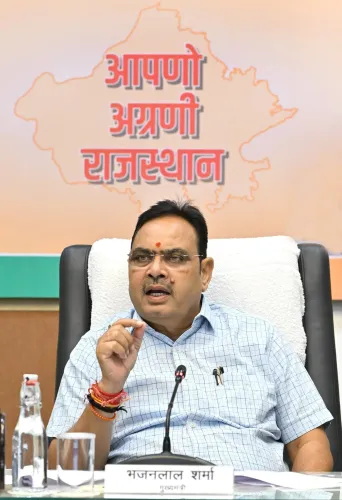
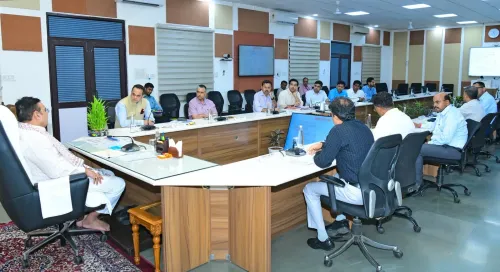
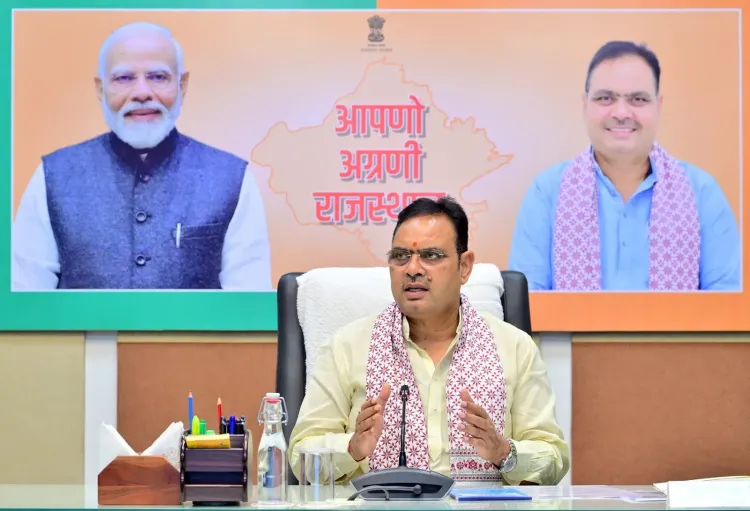
Rajasthan CM Bhajan Lal Sharma met Sainik Kalyan Department officials on 16 July 2026, ordering time-bound and transparent delivery of all welfare schemes to ex-servicemen and their families, and directing a uniform model for state martyr memorials.
Key Takeaways
Rajasthan CM Bhajan Lal Sharma chaired a review meeting with Sainik Kalyan Department officials on 16 July 2026 .
The CM directed that every eligible ex-serviceman and military family receive all scheme benefits in a time-bound and transparent manner.
Officials were instructed to resolve every grievance with sensitivity, respect, and promptness — with no welfare work remaining pending.
Sharma ordered the development of a uniform model for shaheed smarak (martyr memorials) across Rajasthan.
A directive was also issued to disseminate the glory of the Indian Army widely so future generations are inspired by soldiers' sacrifice and patriotism.
Rajasthan's Sainik Kalyan Department implements both central schemes such as ECHS and state-specific veteran assistance programmes.
Rajasthan Chief Minister Bhajan Lal Sharma chaired a review meeting with officials of the Sainik Kalyan Department on 16 July 2026, directing them to ensure every eligible ex-serviceman and military family receives scheme benefits in a time-bound and transparent manner. The CM declared that no welfare work connected to soldiers' honour and interests should remain pending.
Posting on X in Hindi, Sharma stated: 'राष्ट्र की रक्षा में अपना सर्वस्व समर्पित करने वाले हमारे वीर सैनिकों, पूर्व सैनिकों एवं उनके परिवारों का सम्मान और कल्याण हमारी सर्वोच्च जिम्मेदारी है' — ('Honouring and ensuring the welfare of our brave soldiers, veterans, and their families who have dedicated everything to defending the nation is our foremost responsibility.')
Context
The meeting centred on the functioning of Rajasthan's Sainik Kalyan Department, the state body responsible for welfare, rehabilitation, and grievance redressal for ex-servicemen and their families. Sharma issued explicit instructions that every eligible beneficiary must receive all scheme benefits on time and that their problems must be resolved with 'sensitivity, respect, and promptness.'
The CM also called for popularising the glory of the Indian Army so that future generations draw inspiration from the valour, sacrifice, and patriotism of the country's soldiers — a cultural mandate that extends beyond administrative welfare.
Policy Backdrop
India's ex-servicemen welfare architecture rests on a central-state partnership: the central Department of Ex-Servicemen Welfare, established in 2004 under the Ministry of Defence, coordinates schemes such as ECHS healthcare and pension disbursal, while state departments like Rajasthan's Sainik Kalyan Department layer on state-specific assistance and job reservations. Rajasthan has maintained reservations in state government jobs for ex-servicemen since the 1960s, with periodic revisions by successive governments.
Sharma's emphasis on time-bound delivery and transparency mirrors a broader drive seen across several states to digitise and streamline veteran grievance mechanisms, reducing backlogs that have historically delayed pensions, land allotments, and medical benefits.
Stakeholders and Impact
The primary beneficiaries are ex-servicemen, serving soldiers, and martyrs' families across Rajasthan — a state with a historically high rate of military enlistment. Pending cases in welfare departments have long been a source of frustration for veteran families, making the CM's zero-pendency directive significant for this constituency.
A notable additional directive concerns shaheed smarak (martyrs' memorials): Sharma instructed officials to develop a uniform model for the state's martyr memorials, signalling an intent to standardise their design, maintenance, and public visibility. This aligns with existing state-level efforts to integrate military heritage into school and public programmes.
What's Next
The Sainik Kalyan Department is now tasked with implementing the CM's directives and is expected to present progress reports on scheme coverage and pending-case clearance. The development of a standardised shaheed smarak model will be a key metric to watch in the coming months.
If executed, the twin focus — administrative efficiency in welfare delivery and cultural commemoration through uniform memorials — could set a template that other states may reference as the central government continues to push for veteran welfare reforms at the national level.
Point of View
Zero-pendency system — a posture that carries clear electoral resonance in a state with one of India's highest per-capita military enlistment rates. The dual directive — administrative efficiency alongside cultural commemoration through standardised martyr memorials — reflects the BJP's broader strategy of fusing governance delivery with military honour as a political identity. The uniform shaheed smarak model, if implemented, would mark a visible, lasting legacy project distinct from routine welfare announcements. Whether the directives translate into measurable outcomes will depend on the department's capacity to track and close pending cases, which will be the real test of this meeting's impact.
NationPress
16 Jul 2026
Frequently Asked Questions
What did Rajasthan CM Bhajan Lal Sharma announce for ex-servicemen?
On 16 July 2026, CM Bhajan Lal Sharma directed the Sainik Kalyan Department to ensure every eligible ex-serviceman and military family receives all welfare scheme benefits in a time-bound and transparent manner, with no case remaining pending.
What is the Sainik Kalyan Department in Rajasthan?
The Sainik Kalyan Department is the Rajasthan government body responsible for the welfare, rehabilitation, and grievance redressal of ex-servicemen, serving soldiers, and their families, implementing both central and state-specific schemes.
What is the shaheed smarak uniform model that CM Sharma directed?
CM Sharma instructed officials to develop a standardised design and maintenance model for martyr memorials (shaheed smarak) across Rajasthan, aiming to bring consistency and dignity to how the state honours its fallen soldiers.
What welfare schemes are available to ex-servicemen in Rajasthan?
Ex-servicemen in Rajasthan benefit from central schemes like ECHS healthcare and pension disbursal coordinated by the Ministry of Defence, as well as state-specific assistance including reservations in state government jobs that have been in place since the 1960s.
Why did Bhajan Lal Sharma hold a Sainik Kalyan review meeting?
The meeting was aimed at reviewing the delivery of welfare schemes to veterans and their families, addressing pending grievances, and issuing fresh directives for transparency, cultural commemoration, and zero pendency in all soldier-related welfare work.