CM Bhajan Lal Sharma Backs Rabi MSP Hike for Farmers
Synopsis
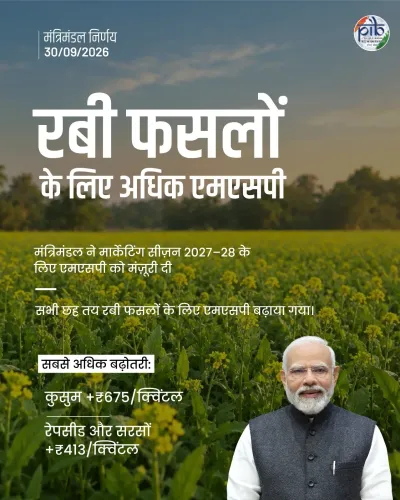
Rajasthan CM Bhajan Lal Sharma welcomed the Modi Cabinet's approval of higher Rabi MSP for wheat, barley, gram, lentil and mustard on 30 September 2026, calling it historic for farmer welfare and crop diversification.
Key Takeaways
The Union Cabinet approved an MSP hike for notified Rabi crops including wheat, barley, gram, lentil, and mustard .
Rajasthan CM Bhajan Lal Sharma publicly endorsed the decision on 30 September 2026 , calling it 'historic.' Higher MSP for pulses and oilseeds is designed to encourage crop diversification and reduce import dependence.
The 2018 policy benchmark of 1.5 times the cost of production underpins the MSP framework for notified crops.
Rajasthan is a major producer of mustard and gram , making the revision directly significant for the state's farmers.
Effective farmer benefit depends on procurement operations by agencies like NAFED and FCI during the Rabi marketing season.
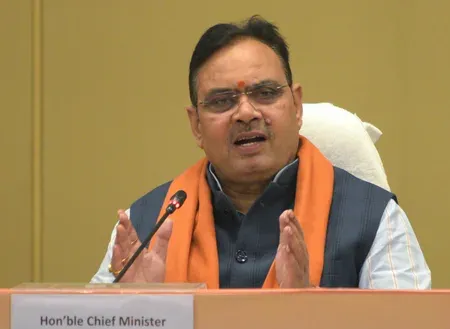
A Cabinet decision that lands directly in the pockets of India's farmers drew a swift and warm response on Wednesday, 30 September 2026 from Rajasthan Chief Minister Bhajan Lal Sharma, who called the Union government's approval of higher Minimum Support Prices for Rabi crops 'an important decision in the interest of the nation's food providers.'
What the MSP Revision Covers
The Union Cabinet, under Prime Minister Narendra Modi, approved an upward revision in MSP for a basket of notified Rabi crops — wheat, barley, gram (chana), lentil (masur), and mustard (sarson). The move guarantees farmers a higher floor price when they sell their produce in the upcoming Rabi marketing season. CM Sharma, posting in Hindi on X, said the hike would ensure farmers receive 'better value for their produce.'
Pulses and Oilseeds: The Diversification Push
The CM singled out the increased support prices for pulses and oilseeds as a catalyst for crop diversification — a goal successive governments have pursued to reduce India's heavy import dependence on edible oils and lentils. Higher MSP for mustard and masur nudges farmers away from water-intensive wheat monoculture toward crops that are gentler on the soil and aquifers. That is not just an agricultural argument; it is a food-security and import-bill argument too.
The policy lineage here runs back to 2018, when the Union Cabinet committed to fixing MSP at a minimum of 1.5 times the cost of production for notified crops — a benchmark that has anchored every subsequent Rabi and Kharif revision.
Sharma's Message to Rajasthan's Farming Belt
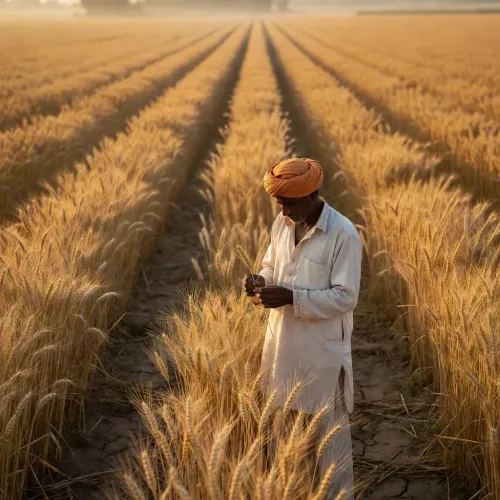
Rajasthan is one of India's largest producers of mustard and gram, making this revision acutely relevant to the state's agrarian economy. CM Sharma framed the decision in explicitly moral terms: 'Annadata ki mehnat ko samman' — 'respect for the hard work of the food provider.' He argued that empowering farmers is the foundation on which a prosperous India must be built, and closed with personal thanks to the Prime Minister for what he called a 'historic decision.'
What Happens Next in the Fields
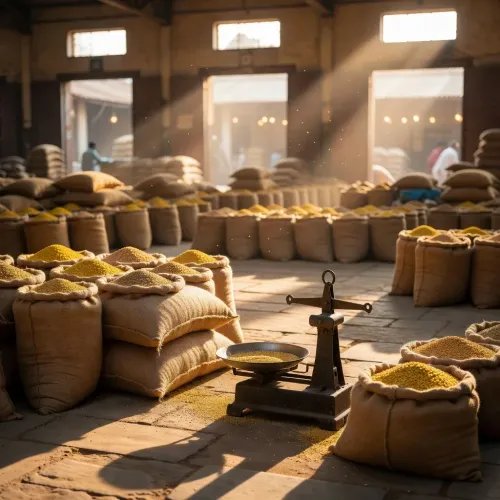
The real test now shifts to procurement. Revised MSP rates matter only when backed by active government buying operations — through agencies like NAFED for pulses and oilseeds and FCI for wheat. Farmers, advocacy groups, and state governments will watch closely whether procurement infrastructure scales up to match the revised price signals before the Rabi harvest arrives. Any state-level bonus announcements layered on top of the central MSP will be the next political and policy moment to watch.
For now, the Cabinet stamp is on the paper. Whether it translates into a fatter cheque at the mandi is the question the sowing season will begin to answer.
Point of View
Whose farmers grow nearly a third of India's mustard, the oilseed MSP increase is not just symbolic; it directly shapes sowing decisions. The emphasis on crop diversification also aligns with a longer central-government push to cut the edible-oil import bill, giving this welfare announcement a dual economic logic. The credibility gap, however, remains procurement: unless buying operations match the revised floor price, the announcement risks being remembered as a number on paper rather than a number at the mandi.
NationPress
30 Sept 2026
Frequently Asked Questions
Which Rabi crops got an MSP hike in September 2026?
The Union Cabinet approved MSP increases for wheat, barley, gram (chana), lentil (masur), and mustard (sarson) for the Rabi season.
What did Rajasthan CM Bhajan Lal Sharma say about the MSP hike?
CM Sharma called it 'an important decision in the interest of the nation's food providers' and personally thanked Prime Minister Modi, describing it as a historic move for farmer welfare.
Why is a higher MSP for pulses and oilseeds significant?
Higher support prices for pulses and oilseeds incentivise farmers to grow these crops instead of water-intensive wheat, promoting crop diversification and helping reduce India's dependence on imported edible oils and lentils.
What is the 1.5x cost-of-production MSP policy?
In 2018, the Union Cabinet committed to fixing MSP at a minimum of 1.5 times the cost of production for notified crops, a benchmark that has guided all subsequent Rabi and Kharif MSP revisions.
How does the Rabi MSP hike affect Rajasthan farmers specifically?
Rajasthan is one of India's largest producers of mustard and gram, so higher MSP for these crops directly improves the income potential for a large share of the state's farming community.