CM Bhajan Lal Sharma: Buy Local This Diwali, Build India
Synopsis
Rajasthan Chief Minister Bhajan Lal Sharma invoked PM Modi's Vocal for Local campaign on Diwali 2026, urging citizens to buy domestic products as a practical step toward an Atmanirbhar Bharat, and published a companion article in a newspaper the same day.
Key Takeaways
Rajasthan CM Bhajan Lal Sharma posted on 7 November 2026 urging citizens to buy local products during the Diwali festive season.
He aligned the appeal with PM Narendra Modi 's 'Vocal for Local' campaign and the broader Atmanirbhar Bharat initiative.
The Atmanirbhar Bharat Abhiyan was originally announced in May 2020 to reduce import dependence and boost domestic manufacturing.
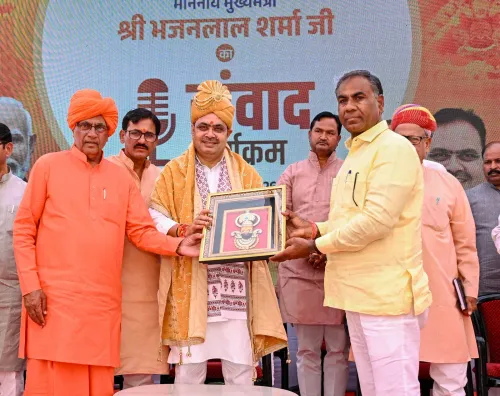
Sharma also published a full opinion article in a newspaper on the same day, expanding on the theme of local economic empowerment during Diwali.
Rajasthan's artisan and handicrafts sectors — heavily reliant on festive demand — stand to benefit most from a sustained Vocal for Local push.
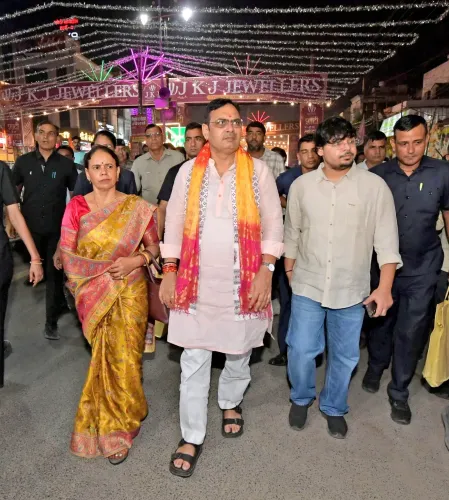
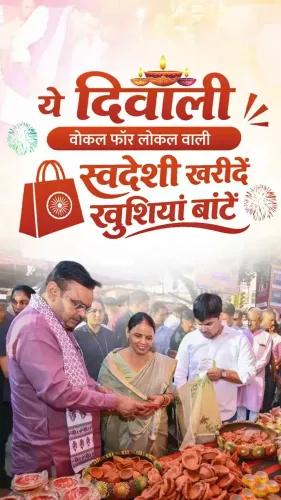
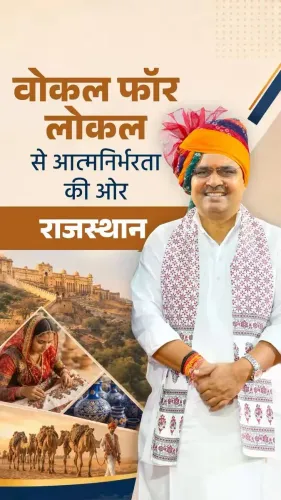
Every Diwali, billions of rupees move through India's festive economy — and Rajasthan Chief Minister Bhajan Lal Sharma wants a larger share of that spending to stay firmly in local hands. On Saturday, 7 November 2026, Sharma took to X to call on citizens to embrace Prime Minister Narendra Modi's 'Vocal for Local' campaign during the festival season, framing the choice of a locally made diya or handicraft as a direct act of nation-building.
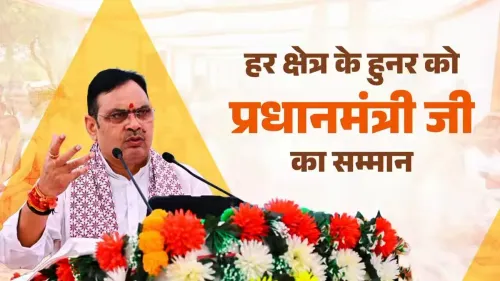
Posting in Hindi, Sharma wrote: 'Deepawali ka yeh parv sthaniya arthvyavastha ko gati dene ka avsar hai' — 'This festival of Deepawali is an opportunity to energise the local economy.' He urged citizens to adopt PM Modi's 'Vocal for Local' call and support domestic products, describing it as a 'practical contribution to building an Atmanirbhar Bharat.' He also directed followers to an article he authored in a newspaper that day, elaborating on the theme.What 'Vocal for Local' Means on the Ground
The Vocal for Local campaign was born out of PM Modi's Atmanirbhar Bharat Abhiyan, announced in May 2020 as a sweeping push to reduce India's import dependence and strengthen domestic manufacturing. The idea was straightforward: if Indian consumers consciously choose Indian-made goods, they create demand that sustains local artisans, small manufacturers, and regional supply chains. Festivals — when discretionary spending spikes — are the natural proving ground for the idea.
Rajasthan has particular stakes in this conversation. The state is home to a rich ecosystem of handicrafts, textiles, pottery, and artisanal goods — sectors that live or die by festive-season demand. A nudge from the Chief Minister toward local purchasing, backed by a published op-ed, signals at least an intent to convert rhetorical support into visible state-level advocacy.
The Diwali Economy as Policy Canvas
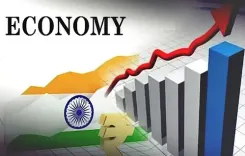
The timing is deliberate. India's festive retail window — roughly Navratri through Diwali — accounts for a disproportionate share of annual consumer spending, particularly in categories like home décor, lighting, sweets, and gifting. Central government campaigns have consistently targeted this window to push the domestic-buying message, and state governments have amplified the call in recent years.
Sharma's post fits a well-established pattern: senior BJP leaders using the festive calendar to reinforce the Atmanirbhar narrative with their own constituencies, keeping the policy momentum alive between formal government announcements. The Chief Minister's decision to also publish a full newspaper article on the topic suggests the message is intended to go beyond a social-media moment — it is an attempt to frame Diwali spending as a civic choice, not merely a personal one.
Whether Rajasthan follows the post with concrete state-level measures — procurement preferences, artisan fairs, or market support for local sellers — will determine how much practical weight the message carries beyond the festive week.
Point of View
Vocal for Local does double duty: it is economic policy and political identity, connecting the act of buying a local product to a larger civilisational story of self-reliance. The Chief Minister's choice to anchor the message in a published article signals an attempt to give the appeal institutional weight, though the real test will be whether Rajasthan translates the rhetoric into tangible support for local producers in the weeks ahead.
NationPress
7 Nov 2026
Frequently Asked Questions
What is the Vocal for Local campaign in India?
Vocal for Local is a campaign launched by Prime Minister Narendra Modi encouraging Indian consumers to prefer domestically made products, forming a core pillar of the Atmanirbhar Bharat (Self-Reliant India) initiative announced in May 2020.
What did Rajasthan CM Bhajan Lal Sharma say about Diwali 2026?
CM Bhajan Lal Sharma called on citizens to treat Diwali as an opportunity to boost the local economy by buying domestic products, describing it as a practical contribution to building an Atmanirbhar Bharat, and also published a newspaper article on the topic.
What is Atmanirbhar Bharat?
Atmanirbhar Bharat, or Self-Reliant India, is an initiative announced by PM Modi in May 2020 aimed at reducing India's dependence on imports and promoting domestic manufacturing, entrepreneurship, and local consumption.
Why is the Diwali season important for the Vocal for Local campaign?
The Diwali festive window is one of India's highest consumer-spending periods, making it a strategic moment for campaigns promoting local products, particularly for sectors like handicrafts, home décor, textiles, and sweets.
Who is Bhajan Lal Sharma?
Bhajan Lal Sharma is the Chief Minister of Rajasthan and a BJP leader who assumed office in December 2023, becoming the state's top elected official.