CM Bhajan Lal Sharma Greets Jaipur on Foundation Day
Synopsis
Rajasthan Chief Minister Bhajan Lal Sharma marked Jaipur's Foundation Day on 18 November 2026, hailing the Pink City's bravery, cultural heritage, and architecture, and invoking deity Shri Govind Dev Ji's blessings for all citizens.
Key Takeaways
Rajasthan CM Bhajan Lal Sharma greeted residents on Jaipur Foundation Day, 18 November 2026 .
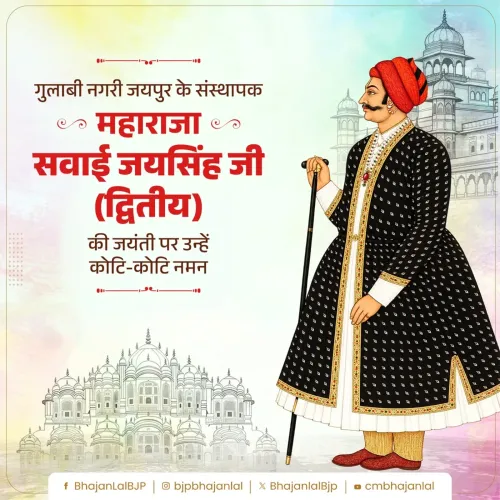
Jaipur was founded in 1727 by Maharaja Sawai Jai Singh II as one of India's first planned cities.
The city is a UNESCO World Heritage Site , famed for its pink sandstone architecture and the nickname 'Pink City'.
CM Sharma invoked Shri Govind Dev Ji , Jaipur's presiding deity, praying for citizens' happiness and prosperity.
The gesture reflects Rajasthan's consistent official emphasis on cultural pride and the state's historic identity.
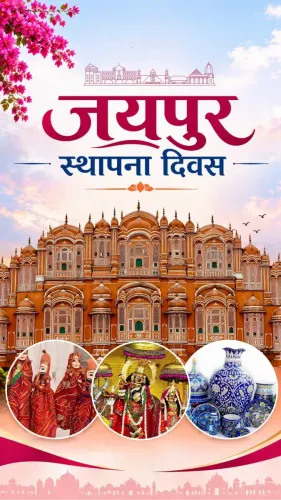
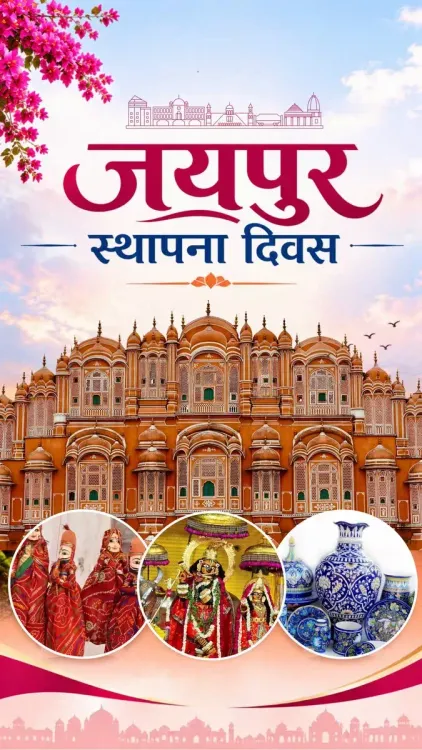
Three centuries after Maharaja Sawai Jai Singh II laid its rose-hued foundations, the Pink City of Jaipur marks another year — and Rajasthan Chief Minister Bhajan Lal Sharma opened Wednesday, 18 November 2026 with a warm public greeting for the city's residents on its Foundation Day.
In his post, CM Sharma described Jaipur as a 'shaurya, swabhimaan aur samriddh sanskritik paramparaon ki gauravshali dhara' — 'a glorious land of bravery, self-respect, and rich cultural traditions' — saluting the city's worldwide reputation for its extraordinary architecture and historic grandeur. He extended heartfelt congratulations and good wishes to all residents of Rajasthan.
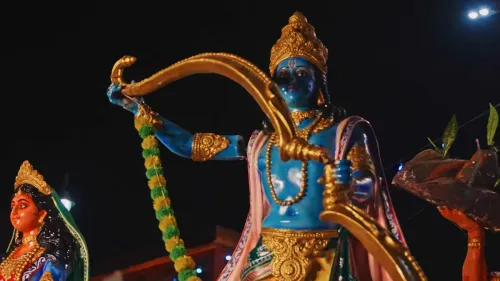
Sharma also invoked Shri Govind Dev Ji, the form of Lord Krishna revered as the presiding deity of Jaipur, praying that the divine blessings of happiness, prosperity, and well-being reach every citizen's life.
Jaipur at 299: A City Born from Precision and Vision
Jaipur was founded in 1727 by Maharaja Sawai Jai Singh II of the Kachwaha Rajput clan — making it one of India's earliest planned cities, designed on the principles of Vastu Shastra and laid out in a precise grid. Its characteristic pink sandstone façades, ordered in the mid-19th century for a royal visit, gave it the enduring nickname the Gulabi Nagri, or Pink City.
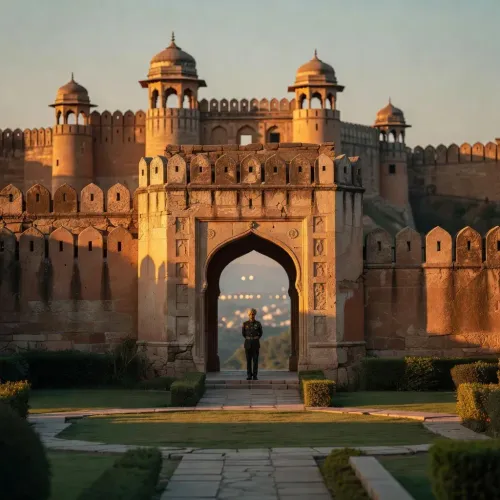
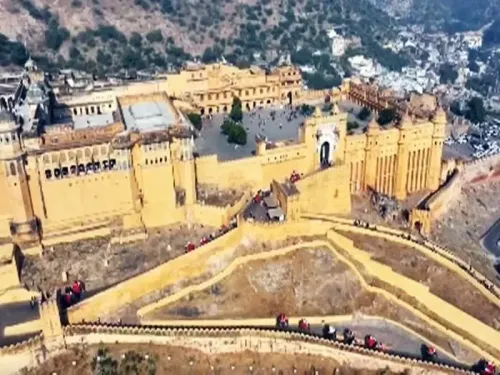
The city's historic walled core — encompassing landmarks such as the City Palace, the Jantar Mantar observatory, and the iconic Hawa Mahal — earned UNESCO World Heritage Site status, cementing its place on the global cultural map. Jaipur is also home to the celebrated Govind Dev Ji Temple within the City Palace complex, a site of immense daily devotion for residents across the city.
A Ritual of Cultural Affirmation
Chief ministers across India routinely mark the foundation days of historic cities, but Rajasthan's proclamations carry particular cultural weight given the state's exceptional density of medieval forts, royal palaces, and living temples. For the BJP government in Rajasthan, invoking the city's heritage — and its presiding deity — is a deliberate alignment of civic pride with the state's broader narrative of cultural identity.
The reference to Shri Govind Dev Ji is especially resonant: the temple's evening aarti draws thousands of devotees daily and the deity is popularly regarded as the spiritual guardian of Jaipur's royal and civic life.
As Jaipur's Foundation Day is observed, the state government's spotlight on heritage, faith, and architectural legacy signals that the Pink City's story — begun three centuries ago under a visionary king — remains very much alive in its political present.
Point of View
Reinforcing the party's consistent framing of governance as stewardship of civilisational identity. For the broader BJP in Rajasthan, such messaging is part of a steady effort to consolidate pride in the state's Rajput-era legacy. The move draws no controversy, but it does signal how foundational days are being leveraged as soft-power moments in state political communication.
NationPress
18 Nov 2026
Frequently Asked Questions
When is Jaipur Foundation Day celebrated?
Jaipur Foundation Day is celebrated on 18 November each year, marking the founding of the city in 1727 by Maharaja Sawai Jai Singh II .
Why is Jaipur called the Pink City?
Jaipur is called the Pink City because its historic walled core features buildings faced with distinctive pink-hued sandstone. The uniform pink colour was mandated in the 19th century ahead of a royal visit and has been maintained ever since.
Who founded Jaipur and in which year?
Maharaja Sawai Jai Singh II of the Kachwaha Rajput dynasty founded Jaipur in 1727 . It is considered one of India's earliest planned cities, laid out according to Vastu Shastra principles.
Who is Shri Govind Dev Ji in Jaipur?
Shri Govind Dev Ji is a revered form of Lord Krishna whose temple is located within the City Palace complex in Jaipur. The deity is considered the spiritual guardian of the city and attracts thousands of devotees daily.
Is Jaipur a UNESCO World Heritage Site?
Yes, Jaipur's historic walled city was inscribed as a UNESCO World Heritage Site , recognised for its exceptional urban planning, royal palaces, observatories, and distinctive pink architecture.