CM Bhajan Lal urges Rajasthanis to go Vocal for Local this Diwali
Synopsis
Rajasthan Chief Minister Bhajan Lal Sharma invoked PM Modi's Vocal for Local campaign on Diwali 2026, urging citizens to buy from the state's artisans and small entrepreneurs and honour Rajasthan's rich craft heritage.
Key Takeaways
Bhajan Lal Sharma posted a Vocal for Local appeal on 6 November 2026 , timed to the Diwali festive season.
The message calls on Rajasthanis to prioritise local products and support artisans and small entrepreneurs.
The Vocal for Local slogan was first launched by PM Narendra Modi in 2020 as part of the Atmanirbhar Bharat Abhiyan .
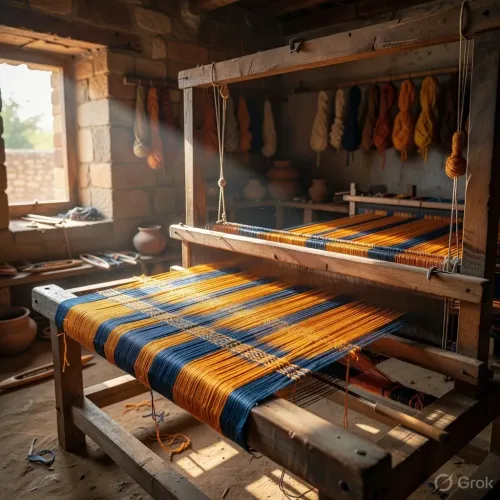
Rajasthan's craft industries — including block-printing, blue pottery, and leheriya textiles — depend heavily on festive-season consumer spending.
Sharma has been Chief Minister since December 2023 , consistently linking cultural heritage to economic self-reliance.
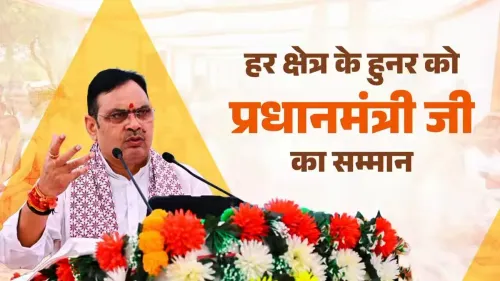
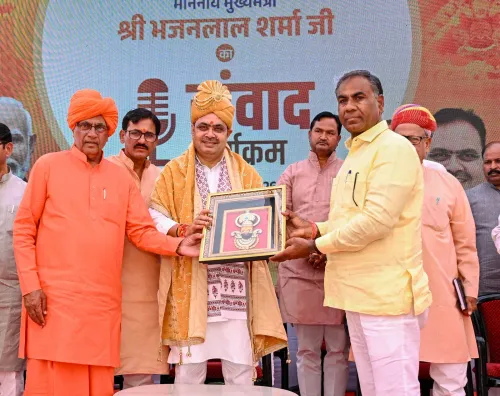
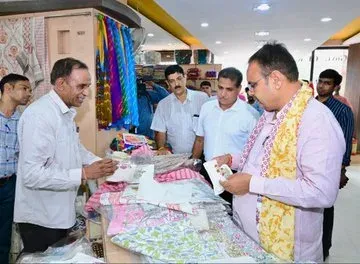
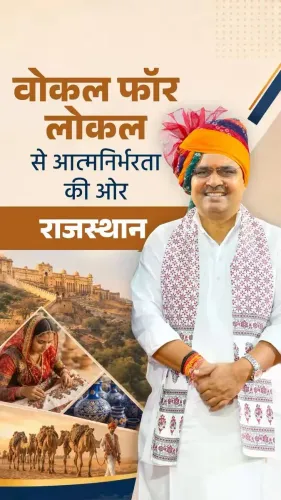
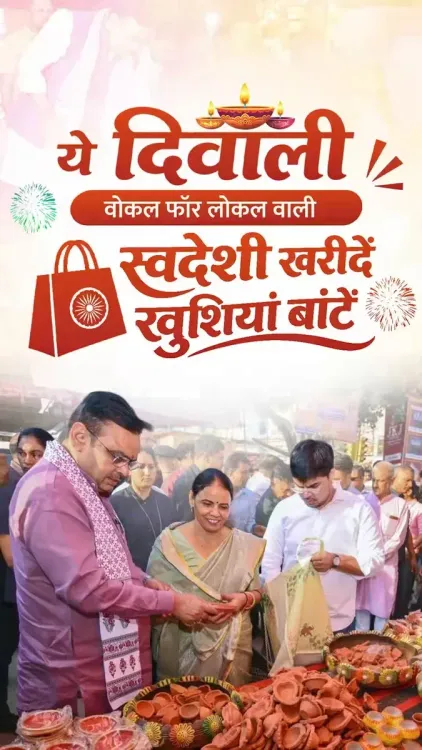
This Diwali, Rajasthan Chief Minister Bhajan Lal Sharma is asking citizens to do something with their shopping choices that no policy circular can mandate — choose local. On Friday, 6 November 2026, Sharma posted a pointed appeal on X, calling on Rajasthanis to embrace the Vocal for Local pledge and direct their festive spending toward the state's artisans and small entrepreneurs.
The appeal and what it asks of Rajasthanis
Sharma's message, posted in Hindi, reads: 'स्थानीय अपनाएँ, स्वदेशी को बढ़ाएँ!' — 'Adopt the local, elevate the indigenous!' He frames Rajasthan's traditional art, culture, and craft as a 'glorious heritage' and calls on people to give artisans and small business owners a 'new flight towards self-reliance.' The post carries the hashtag #VocalForLocal, directly anchoring the message to Prime Minister Narendra Modi's Atmanirbhar Bharat campaign.
Vocal for Local: from a pandemic slogan to a festival fixture
Prime Minister Modi first popularised the Vocal for Local slogan in 2020 as the centrepiece of the Atmanirbhar Bharat Abhiyan, launched during the COVID-19 pandemic. The idea was straightforward: redirect Indian consumer spending toward domestic producers to strengthen local supply chains and rural livelihoods. Six years on, the slogan has migrated from crisis rhetoric to a recurring fixture of festival messaging across state governments.
Rajasthan is particularly well-suited to this pitch. The state is home to some of India's most recognisable handicraft traditions — block-printed textiles, blue pottery, leheriya fabric, miniature paintings, and Thewa jewellery — industries that sustain thousands of artisan families, especially in districts like Jaipur, Jodhpur, Barmer, and Sanganer. Diwali, with its peak gifting and decorating season, is the single biggest commercial window these communities have each year.
What it means for artisans and small entrepreneurs
Sharma, who took office in December 2023 following the BJP's victory in the Rajasthan assembly elections, has consistently positioned cultural industries as both heritage preservation and economic activity. State governments across India have made festival-linked local-buying appeals a standard part of their communication calendars, but the Diwali moment carries real weight — consumer decisions made in these few weeks translate directly into income for craftspeople operating without formal safety nets.
The bigger question hanging over such appeals is follow-through: whether the festive sentiment converts into sustained budget allocations for artisan clusters, easier market linkages, and genuine procurement targets. That scorecard will be written in the state's coming budget cycle, not in a social media post.
Point of View
High-visibility alignment with the central government's Atmanirbhar Bharat brand — reinforcing BJP's economic-nationalism messaging without committing to a specific policy instrument. For Rajasthan, where handicraft and textile clusters represent both cultural identity and rural employment, the appeal has genuine economic logic, even if social-media pledges rarely translate into measurable consumer behaviour shifts. The real test will come in the state budget: whether artisan cluster funding, e-commerce linkages, and GI-tag promotion receive fresh allocations. Until then, the post is best read as festive political signalling with a legitimate developmental undercurrent.
NationPress
6 Nov 2026
Frequently Asked Questions
What is the Vocal for Local campaign?
Vocal for Local is a national campaign promoted by Prime Minister Narendra Modi from 2020 onwards, urging Indians to buy domestically made products as part of the broader Atmanirbhar Bharat (self-reliant India) initiative.
Why did Rajasthan CM Bhajan Lal Sharma post about Vocal for Local on Diwali?
Diwali is India's peak gifting and shopping season. Sharma used the occasion to encourage citizens to channel festive spending toward Rajasthan's local artisans and small entrepreneurs, amplifying the Atmanirbhar Bharat message during the most commercially significant festival of the year.
What traditional crafts is Rajasthan known for?
Rajasthan is renowned for block-printed textiles, blue pottery from Jaipur, leheriya fabric, miniature paintings, Thewa jewellery, and a wide range of performing arts traditions — all of which sustain large artisan communities across the state.
Who is Bhajan Lal Sharma?
Bhajan Lal Sharma is the Chief Minister of Rajasthan and a BJP leader. He assumed office in December 2023 after the BJP won the Rajasthan state assembly elections.
How does buying local help Rajasthan's artisans?
Artisan communities in Rajasthan, particularly in districts like Jaipur, Jodhpur, and Barmer, depend on festive-season demand for the bulk of their annual income. Directing consumer spending toward local handicrafts and small businesses directly supports rural livelihoods and helps preserve traditional crafts.