CM Bhajanlal Sharma Backs Animal Herders as Rural Economy Pillar
Synopsis
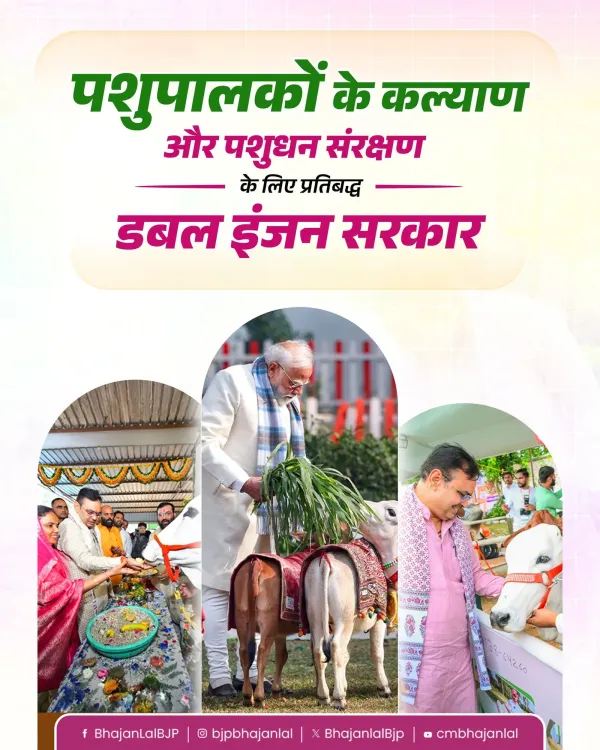
Rajasthan Chief Minister Bhajan Lal Sharma on 9 November 2026 declared livestock herder empowerment the cornerstone of rural economic strength, pledging income growth and better opportunities for pashupalaks across the state.
Key Takeaways
CM Bhajan Lal Sharma reaffirmed his government's commitment to animal herders on 9 November 2026 via a post on X.
He described pashupalak empowerment as the 'important foundation' for strengthening the rural economy.
The government's stated focus spans three areas: protection of herders' interests, income growth, and access to better opportunities.
Rajasthan holds one of India's largest livestock populations, making animal husbandry central to rural livelihoods, especially in arid regions.
No specific scheme or budget figure was named; concrete measures are expected via the next state budget or Animal Husbandry Department notifications.
Rajasthan's rural economy runs, in no small part, on four legs — and Rajasthan Chief Minister Bhajan Lal Sharma wants every pashupalak in the state to know the government stands behind them. On Monday, 9 November 2026, the Chief Minister took to X to reaffirm his administration's commitment to empowering livestock herders, calling their strength the 'important foundation' for a stronger rural economy.
Translating his post from Hindi, Sharma wrote: 'Empowering animal herders is an important foundation for strengthening the rural economy. Our government is working with full commitment to protect their interests, increase their income, and provide better opportunities.'
Why Livestock Matters So Much to Rajasthan's Villages
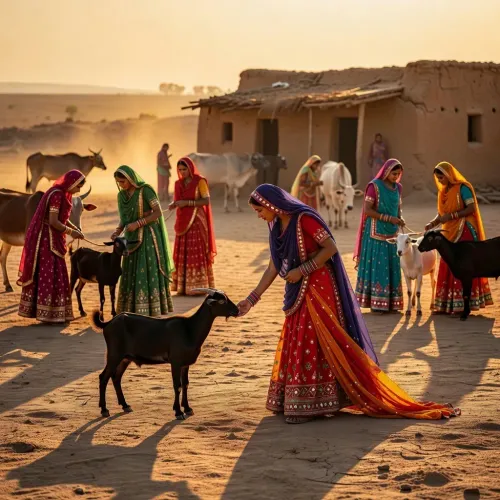
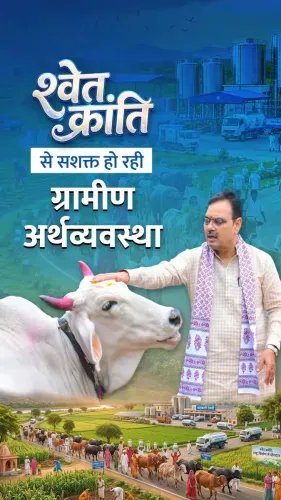
Rajasthan holds one of India's largest livestock populations, and for millions of rural households, cattle, goats, camels and sheep are not a side hustle — they are the primary livelihood. Animal husbandry supplements and, in arid districts, often replaces crop agriculture entirely, making policy attention to this sector directly consequential for the state's poorest households.
Successive state governments have maintained dedicated livestock health, breeding, and marketing infrastructure. The current BJP administration, which took office in December 2023, has positioned rural economy strengthening as a core governance priority — and Sharma's statement aligns that broad agenda squarely with the pashupalak community.
Three Pillars: Protection, Income, Opportunity
The Chief Minister's framing was deliberate: protection of interests, increase in income, and access to better opportunities. These three axes map closely onto the persistent pain points livestock herders report — inadequate veterinary cover, poor market linkage for animal products, and limited access to formal credit or government schemes.
While the post names no specific scheme or budget allocation, it signals continued policy intent ahead of what observers will watch closely: the next Rajasthan state budget and any fresh notifications from the Animal Husbandry Department that could give these commitments a concrete, measurable form.
For a state where the rural vote is decisive, the message is as much political as it is administrative — but the underlying need is real, the constituency is vast, and the government's follow-through will be the true measure of this commitment.
Point of View
Vote-rich constituency. The three-part framing of protection, income, and opportunity mirrors the Centre's broader agricultural welfare vocabulary, suggesting alignment with national BJP messaging rather than a standalone state initiative. The absence of a named scheme, however, means this reads more as a rhetorical commitment than a policy announcement — the pressure now falls on the Animal Husbandry Department to convert intent into verifiable delivery before the next budget cycle. Rajasthan's livestock sector has historically been underleveraged in formal policy; sustained attention here could yield real rural dividends, but only if followed by budgetary muscle.
NationPress
9 Nov 2026
Frequently Asked Questions
What did Rajasthan CM Bhajan Lal Sharma say about pashupalaks?
CM Bhajan Lal Sharma said that empowering livestock herders is an important foundation for strengthening the rural economy, and that his government is committed to protecting their interests, increasing their income, and providing better opportunities.
Why is animal husbandry important for Rajasthan's economy?
Rajasthan has one of India's largest livestock populations. For millions of rural households — especially in arid districts where crop agriculture is difficult — cattle, goats, camels and sheep represent the primary source of livelihood and income.
What schemes does the Rajasthan government have for livestock herders?
CM Sharma's post did not name a specific scheme or budget figure. The state has an Animal Husbandry Department that manages livestock health, breeding and marketing. New scheme details are expected in forthcoming budget announcements or departmental notifications.
When did Bhajan Lal Sharma become Chief Minister of Rajasthan?
Bhajan Lal Sharma assumed office as Chief Minister of Rajasthan in December 2023 after the BJP won the state assembly elections.
How does livestock herder welfare connect to India's broader rural economy policy?
Indian state governments have long treated animal husbandry as a critical supplement to crop agriculture. Sharma's framing mirrors national-level agricultural welfare vocabulary, positioning pashupalak support as part of a wider BJP rural economy strategy.