CM Bhajanlal Extends Raj Unnati Service Camps to 31 August
Synopsis
Chief Minister Bhajanlal Sharma has extended Rajasthan's Raj Unnati rural and urban service camps to 31 August 2026, ordering district collectors to clear all pendency, prioritise encroachment disputes, and record beneficiary details with mobile numbers for feedback.
Key Takeaways
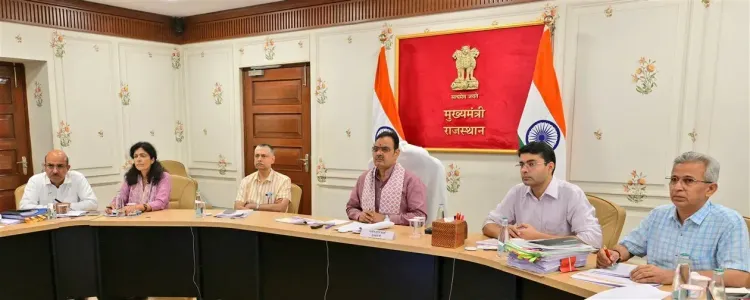
The seventh Raj Unnati meeting was held at the Chief Minister's Office in Jaipur on 20 July 2026 .
CM Bhajanlal Sharma extended rural and urban service camps to 31 August 2026 , citing their success and public popularity.
District collectors and officers were directed to clear all pending work immediately and provide written reasons for any unresolved cases.
Disputes related to pathways and encroachments were specifically ordered to be resolved on priority.
Officials must record beneficiary details including mobile numbers and collect citizen feedback and field-officer suggestions.
All departments were instructed to ensure inter-departmental coordination for timely completion of public work.
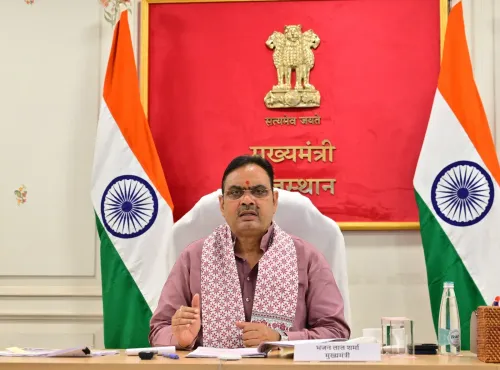
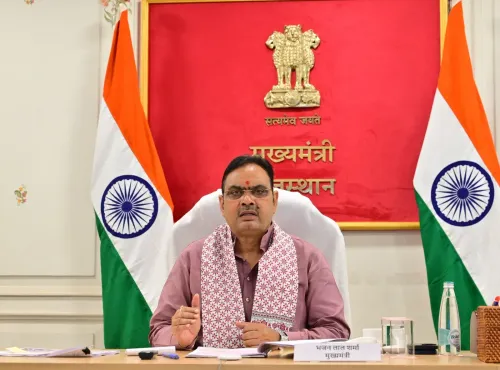
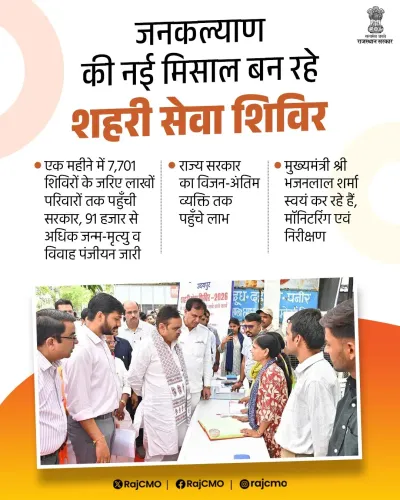
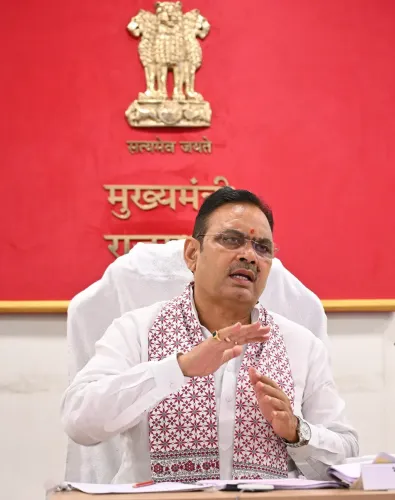
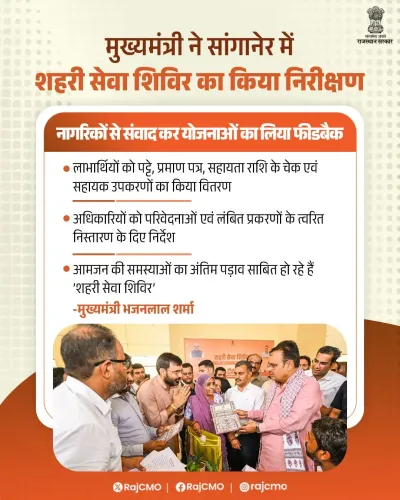
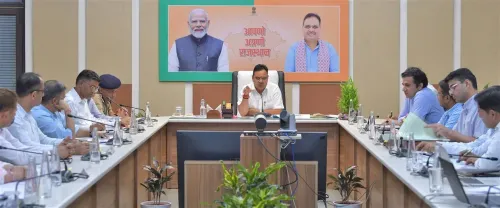
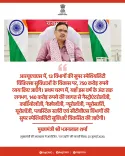
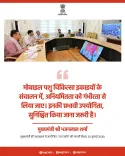
The Chief Minister's Office of Rajasthan announced on Monday, 20 July 2026, that Chief Minister Bhajanlal Sharma has directed officials to extend the ongoing rural and urban service camps under the Raj Unnati initiative until 31 August 2026, citing their success and popularity among citizens. The announcement came during the seventh meeting of Raj Unnati held at the Chief Minister's Office in Jaipur.
Context
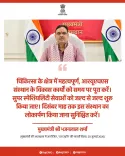
During the meeting, CM Bhajanlal Sharma issued a series of directives aimed at improving the efficiency and reach of the service camps. He instructed district collectors and departmental officers to clear all pending work at the earliest, stating — in the words of the official post — 'sabhee tarah kee pendency ko jald se jald samaapt kiya jae' ('all types of pendency must be resolved as quickly as possible'). Where work has not been completed, officers must provide a clear explanation for the delay.
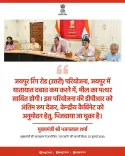
The Chief Minister also directed all departments to ensure inter-departmental coordination so that public work is completed on time. Disputes relating to pathways and encroachments were specifically flagged for priority resolution.
Policy Backdrop
State governments across India regularly organise time-bound grievance and service delivery camps to reduce pendency in revenue, land, and welfare matters at the district level. The Raj Unnati framework appears to be Rajasthan's structured version of this model, with the seventh meeting signalling sustained institutional attention since CM Sharma assumed office in December 2023 following the BJP's victory in the state assembly elections.
Extensions of such camps are common when early phases generate positive public response, as they allow administrations to consolidate gains and address residual backlogs before a fixed deadline.
Stakeholders and Impact
Rural and urban residents of Rajasthan stand to benefit directly from the extended window, particularly those with pending applications related to land records, encroachment disputes, and government welfare entitlements. District collectors and field officers have been placed under explicit accountability, with the directive that unresolved cases must be accompanied by written justification.
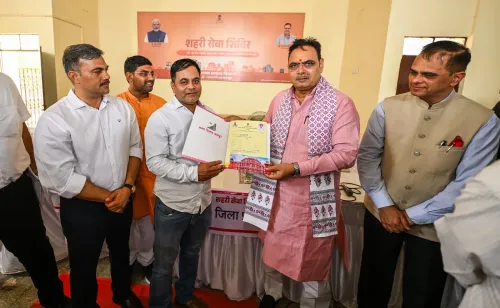
CM Sharma also instructed officials to record the details of all beneficiaries — including their mobile numbers — and to systematically collect public feedback and experiential accounts. Suggestions from field-level officers are to be gathered and used to streamline camp operations further.
What's Next
The key metric to watch will be pendency clearance rates across districts before the 31 August 2026 deadline. The beneficiary database — with mobile contacts and citizen feedback — could serve as a feedback loop for future governance planning. Whether the camps are extended again or wound up after August will likely depend on the data collected in this phase.
The hashtag #आपणो_अग्रणी_राजस्थान ('Our Leading Rajasthan') used in the post signals the government's intent to frame these camps as part of a broader development identity for the state ahead of future political cycles.
Point of View
Time-bound public outreach to demonstrate administrative responsiveness ahead of political cycles. By placing district collectors under explicit accountability for pendency and requiring beneficiary data with mobile contacts, the Sharma government is building a verifiable feedback loop — one that can be cited as governance delivery. The priority given to encroachment and pathway disputes is politically astute, as these are among the most friction-generating local issues in both rural and urban Rajasthan. Whether this translates into measurable pendency reduction will determine if Raj Unnati becomes a durable governance brand or a periodic optics exercise.
NationPress
21 Jul 2026
Frequently Asked Questions
What is Raj Unnati in Rajasthan?
Raj Unnati is a governance initiative of the Rajasthan government under which rural and urban service camps are organised to resolve public grievances, clear administrative pendency, and deliver government services directly to citizens at the local level.
Why did CM Bhajanlal Sharma extend the Raj Unnati service camps?
CM Bhajanlal Sharma extended the camps to 31 August 2026 citing their success and popularity among citizens, and to ensure that all pending public work is resolved before the deadline.
What did CM Bhajanlal Sharma instruct district collectors at the Raj Unnati meeting?
He directed collectors and officers to clear all types of pendency at the earliest, provide written reasons for unresolved work, prioritise encroachment and pathway disputes, and record beneficiary details including mobile numbers.
What is the deadline for Raj Unnati service camps in Rajasthan 2026?
The service camps have been extended to run until 31 August 2026 , as announced during the seventh Raj Unnati meeting on 20 July 2026.
What is the significance of collecting beneficiary mobile numbers at Raj Unnati camps?
Recording mobile numbers alongside beneficiary details allows the government to build a database for follow-up, collect citizen feedback, and track whether services were actually delivered — strengthening accountability in the programme.