CM Bhajanlal hails Yamuna Jal Samjhauta at Jaipur felicitation
Synopsis
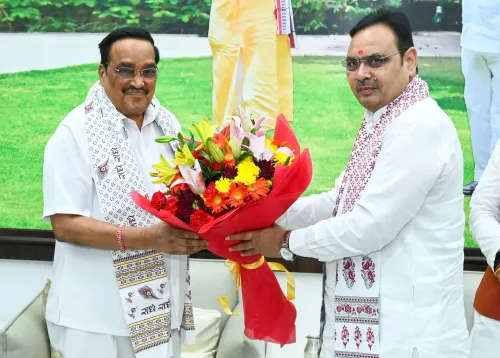
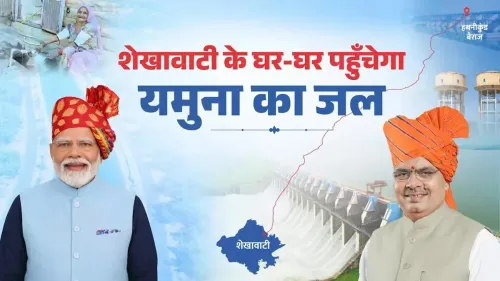
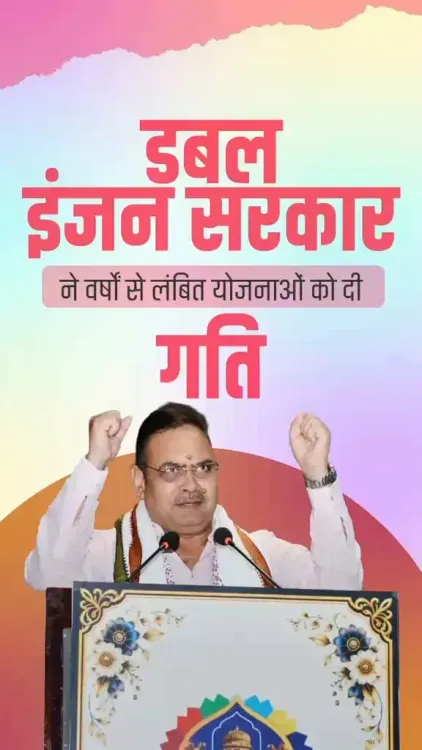
Chief Minister Bhajanlal Sharma addressed a felicitation ceremony at Birla Auditorium, Jaipur on 21 July 2026 to celebrate the Yamuna Jal Samjhauta, praising PM Modi for accelerating long-stalled interstate water projects that are critical for water-deficit Rajasthan.
Key Takeaways
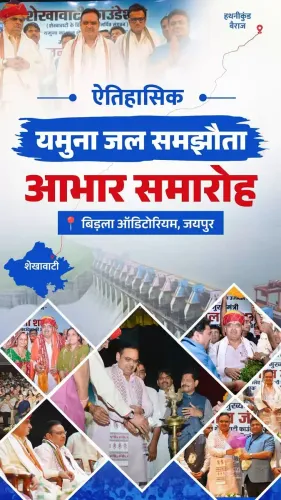
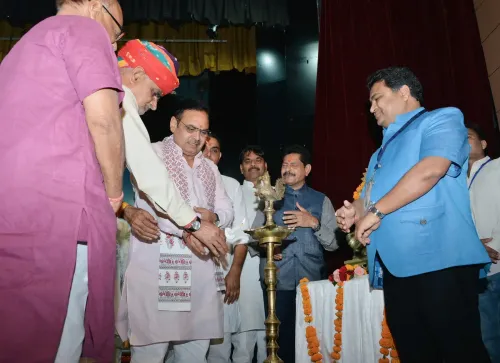
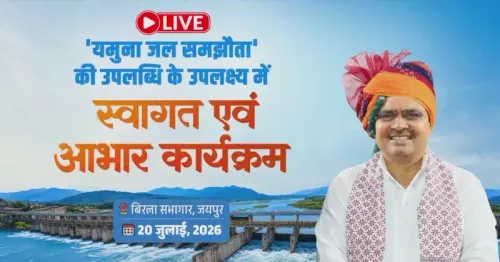
CM Bhajanlal Sharma addressed a felicitation event at Birla Auditorium, Jaipur on 21 July 2026 to mark the Yamuna Jal Samjhauta .
He credited Prime Minister Narendra Modi with giving momentum to water projects that had been pending for years.
The Yamuna Jal Samjhauta involves water-sharing arrangements among basin states including Rajasthan, Haryana, Uttar Pradesh, Delhi and Himachal Pradesh .
A foundational 1994 MoU among these states established the original Yamuna water-sharing framework under the Upper Yamuna River Board .
Rajasthan, as a downstream and water-deficit state, stands to gain significantly from any enhanced allocation or faster project execution linked to the Yamuna system.
Follow-up steps include state-level infrastructure rollout and potential meetings of the Upper Yamuna River Board .
The Chief Minister's Office of Rajasthan announced on Tuesday, 21 July 2026 that Chief Minister Bhajanlal Sharma addressed a felicitation and gratitude ceremony at Birla Auditorium, Jaipur, organised to mark the achievement of the Yamuna Jal Samjhauta (Yamuna Water Agreement). Speaking at the event, he credited Prime Minister Narendra Modi's leadership for reviving long-pending water projects.
Context
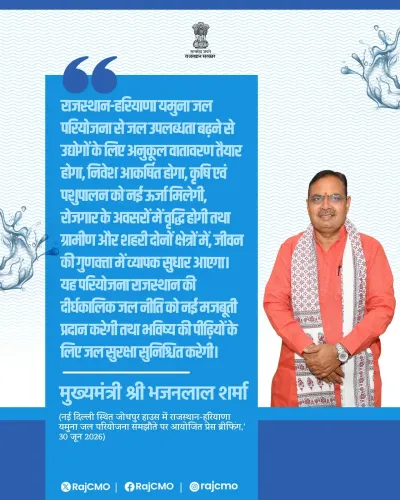
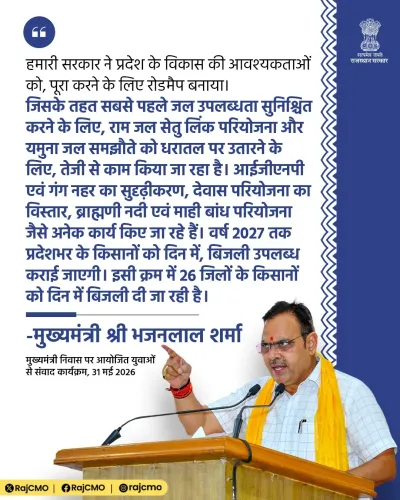
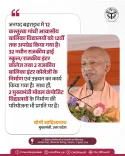
Addressing the gathering, CM Sharma stated — as shared by the official Rajasthan CMO account — that 'under the leadership of Prime Minister Narendra Modi, important water projects that had been pending for years have gained momentum.' The ceremony was framed as a moment of appreciation for the central government's role in facilitating the agreement. Birla Auditorium in Jaipur served as the venue, a prominent state-government convention space frequently used for high-profile announcements.
Policy Backdrop
The Yamuna Jal Samjhauta is rooted in a long history of interstate water negotiations. A 1994 Memorandum of Understanding among Uttar Pradesh, Haryana, Rajasthan, Delhi and Himachal Pradesh established initial Yamuna water-sharing allocations under the Upper Yamuna River Board. Rajasthan, as a downstream and chronically water-deficit state, has historically sought a larger and more reliable share of Yamuna waters to support its agricultural and drinking-water needs.
Successive central governments have attempted to expedite interstate river-basin agreements and irrigation infrastructure that remained stalled for decades. The current dispensation has placed particular emphasis on completing such projects through coordinated central-state mechanisms, and Tuesday's event signals that Rajasthan views this agreement as a significant policy milestone under that framework.
Stakeholders and Impact
Rajasthan's farmers are among the most direct beneficiaries of any renewed or enhanced Yamuna water allocation, given the state's dependence on canal-fed irrigation in its eastern districts. Basin-state governments — including those of Haryana, Uttar Pradesh and Delhi — are co-stakeholders whose cooperation is essential for the agreement's implementation. Any increase in Rajasthan's allocated share or acceleration of linked infrastructure projects would have downstream effects on agricultural productivity and rural water security across the region.
What's Next
Attention will now turn to the state-level rollout of water distribution infrastructure connected to the agreement, as well as any follow-up meetings of the Upper Yamuna River Board or related central steering committees. The pace at which project execution translates into on-ground water delivery to farmers and households will be the key measure of the agreement's success. Political observers will also watch whether other basin states formally endorse or respond to Rajasthan's characterisation of the deal as a landmark achievement.
Point of View
Reinforcing BJP's double-engine government narrative ahead of any future electoral cycle in Rajasthan. The Yamuna water question has festered since the 1994 MoU, making any forward movement a genuinely significant administrative achievement for a water-starved state. However, the gap between a signed agreement and actual water reaching farmers is historically wide in Indian interstate river disputes, and the real test will be the speed of infrastructure execution. The event also signals Jaipur's intent to keep central attention focused on Rajasthan's water needs within the broader national river-linking and basin-management agenda.
NationPress
21 Jul 2026
Frequently Asked Questions
What is the Yamuna Jal Samjhauta and why does it matter for Rajasthan?
The Yamuna Jal Samjhauta is an interstate water-sharing agreement involving Rajasthan and other Yamuna basin states. It matters because Rajasthan is a downstream, water-deficit state that depends on such agreements to secure canal water for farming and drinking needs.
What did CM Bhajanlal Sharma say at the Birla Auditorium event?
CM Bhajanlal Sharma said that under PM Narendra Modi's leadership, important water projects that had been pending for years have gained momentum, and he addressed the gathering to express gratitude for this achievement.
Which states are part of the Yamuna water-sharing arrangement?
The Yamuna water-sharing framework involves Uttar Pradesh, Haryana, Rajasthan, Delhi and Himachal Pradesh, operating under the Upper Yamuna River Board established through a 1994 MoU.
What is the Upper Yamuna River Board?
The Upper Yamuna River Board is a central body set up to oversee and implement the water-sharing allocations among the five Yamuna basin states as agreed under the 1994 Memorandum of Understanding.
Who benefits from the Yamuna Jal Samjhauta in Rajasthan?
Rajasthan's farmers — particularly in the eastern districts dependent on canal irrigation — and rural communities facing drinking-water shortages are the primary beneficiaries of any enhanced Yamuna water allocation linked to the agreement.