CM Bhajanlal orders online fertilizer records, action on black-marketing
Synopsis
Chief Minister Bhajanlal Sharma on 14 June 2026 directed Rajasthan's Agriculture and Cooperation Department to build an online fertilizer tracking system, enforce action against black-marketing, train agriculture supervisors in natural farming, and promote soil-test-based fertilizer use across the state.
Key Takeaways
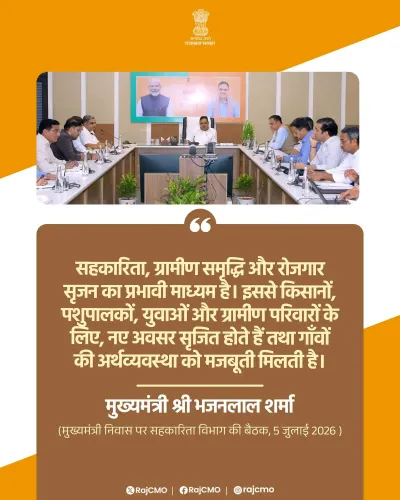
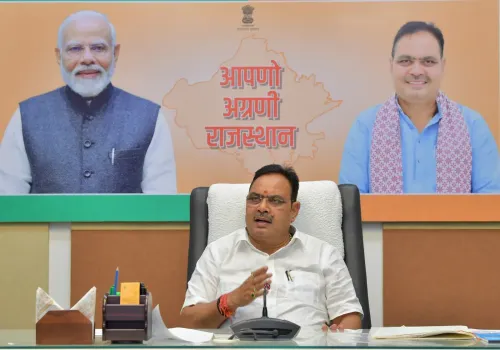
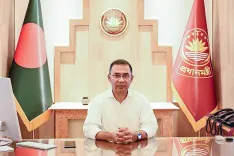
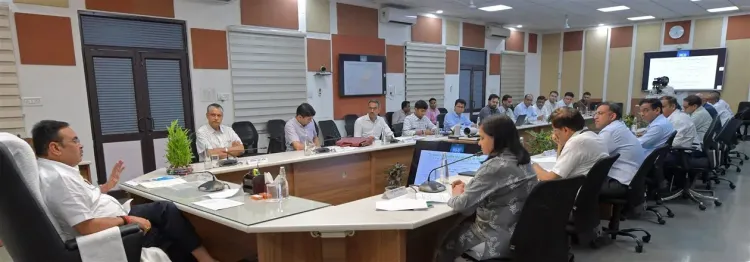
CM Bhajanlal Sharma chaired a meeting at the Chief Minister's Residence on 14 June 2026 with Agriculture and Cooperation Department officials.
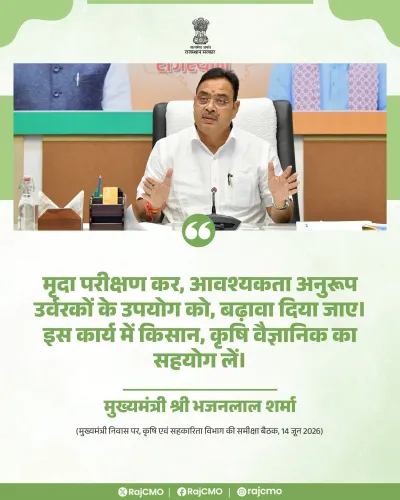
He ordered an online record system for fertilizer distribution to ensure balanced use and prevent diversion of subsidised stock.
Strict action was directed against black-marketing and illegal storage of fertilizers across Rajasthan.
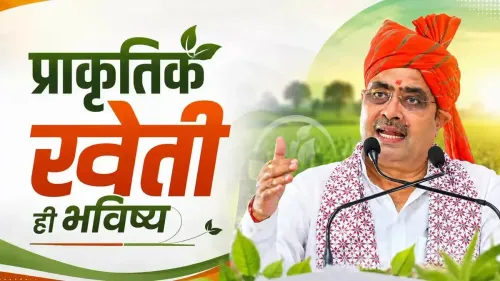
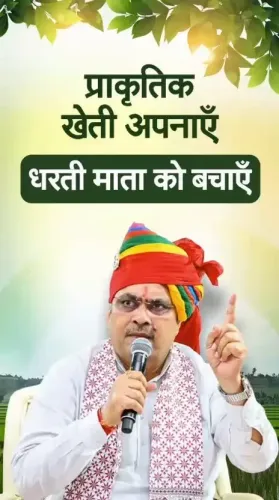
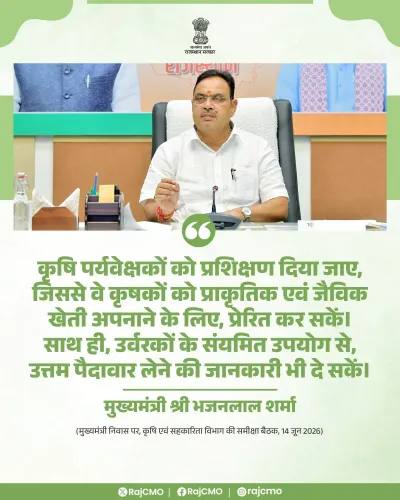
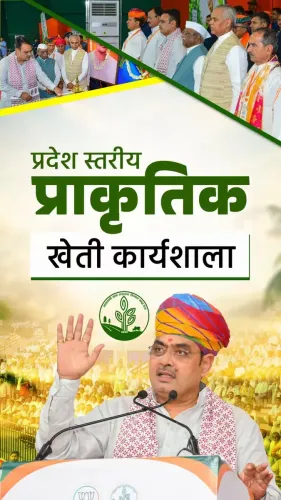
Agriculture supervisors are to be trained to motivate farmers to adopt natural and organic farming practices.
Soil-test-based fertilizer use is to be actively promoted, aligning with the national Soil Health Card scheme launched in 2015.
The directives are timed ahead of the Kharif 2026 sowing season, when fertilizer demand peaks.
Chief Minister Bhajanlal Sharma chaired a meeting at the Chief Minister's Residence on 14 June 2026 and directed officials of the Agriculture and Cooperation Department of Rajasthan to maintain online records of fertilizer use and crack down on black-marketing and illegal storage of agricultural inputs.
Context
At the meeting, CM Bhajanlal Sharma issued two broad sets of directives. The first concerned chemical fertilizers: he ordered that an online record be maintained to monitor balanced usage, and that kalabaazari aur avaidh bhandaran (black-marketing and illegal stockpiling) be met with strict action. The second set focused on natural and organic farming: agriculture supervisors are to be trained so they can motivate farmers to adopt these practices.
The Chief Minister also directed that soil-test-based fertilizer application be actively promoted across the state, tying fertilizer recommendations to scientific assessment of soil health rather than blanket usage.
Policy Backdrop
The directives align with two long-standing national schemes. The Soil Health Card scheme, launched in 2015, was designed precisely to shift farmers toward soil-test-based, balanced fertilizer application — reducing both over-use and input costs. The Paramparagat Krishi Vikas Yojana, also rolled out from 2015, supports organic farming clusters across states including Rajasthan.
Across India, states have increasingly deployed twin strategies: regulatory enforcement to prevent diversion of subsidised fertilizers, and extension outreach to build farmer capacity for natural inputs. Madhya Pradesh and Gujarat have implemented comparable regulatory-plus-extension frameworks in recent years.
Stakeholders and Impact
The most direct beneficiaries of the directives are Rajasthan's farmers, who face both the risk of fertilizer shortages driven by black-marketing and the long-term cost of soil degradation from unbalanced chemical use. An online inventory system, if implemented effectively, would make it harder for middlemen to divert subsidised stock.
Agriculture supervisors — the frontline extension workforce — are central to the natural-farming push. Their training will determine how widely soil-health and organic-practice messages reach farm households, particularly ahead of the 2026 Kharif season.
What's Next
The Agriculture and Cooperation Department is expected to operationalise the online fertilizer record system and design training modules for supervisors in the weeks ahead. Progress on both fronts will be a key indicator of whether the state can translate the Chief Minister's directives into measurable change at the district level.
The broader test will be whether stricter enforcement curbs fertilizer diversion while the extension drive meaningfully shifts farmer behaviour toward natural and organic methods — outcomes that will become visible as the Kharif 2026 sowing season unfolds under the hashtag campaign #AapnoAgraaniRajasthan ('Our Leading Rajasthan').
Point of View
If implemented, could reduce the opacity that enables subsidised fertilizer diversion. The emphasis on training agriculture supervisors to promote natural and organic farming connects Rajasthan's state-level push to the national Paramparagat Krishi Vikas Yojana lineage, suggesting an attempt to align with central policy while projecting proactive agricultural governance ahead of the Kharif season.
NationPress
13 Sept 2026
Frequently Asked Questions
What did CM Bhajanlal Sharma say about fertilizers in Rajasthan?
CM Bhajanlal Sharma directed agriculture officials to maintain online records of fertilizer usage for balanced application and to take strict action against black-marketing and illegal storage of fertilizers in Rajasthan.
What is the online fertilizer record system announced in Rajasthan?
The Chief Minister directed that an online record be maintained to track fertilizer distribution and use across Rajasthan, aimed at ensuring balanced application and preventing diversion of subsidised stock.
How is Rajasthan promoting natural and organic farming?
CM Bhajanlal Sharma ordered that agriculture supervisors be trained to motivate farmers to adopt natural and organic farming practices, with soil-test-based fertilizer recommendations as a key tool.
What is the Soil Health Card scheme and how does it relate to this directive?
The Soil Health Card scheme, launched nationally in 2015, promotes soil-test-based fertilizer application to reduce over-use and input costs — the same approach CM Bhajanlal Sharma has now directed Rajasthan's agriculture department to actively promote.
What action is Rajasthan taking against fertilizer black-marketing?
Chief Minister Bhajanlal Sharma has directed the Agriculture and Cooperation Department to ensure strict action against black-marketing and illegal stockpiling of fertilizers, alongside building an online monitoring system to track supply.