CM Bhajanlal: Rajasthan startups double to 8,500 in two years
Synopsis
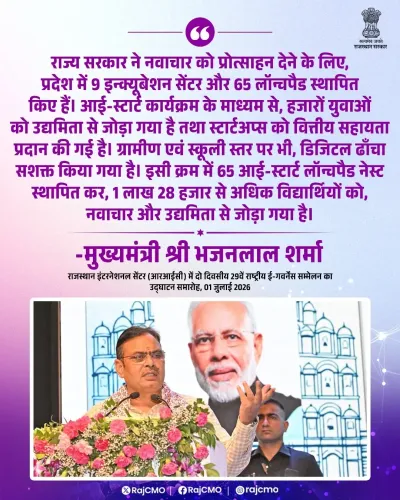
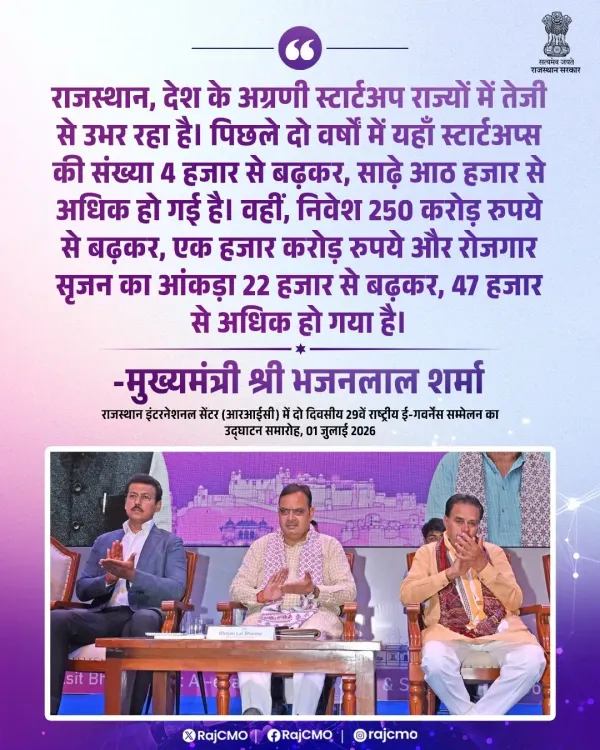
The Rajasthan CMO announced that startups in the state have surged from 4,000 to over 8,500 in two years under CM Bhajanlal Sharma, coinciding with the 11th anniversary of Digital India and the upcoming National Conference on e-Governance 2026.
Key Takeaways
Rajasthan's startup count has grown from 4,000 to over 8,500 in the past two years, a rise of more than 112 per cent.
The announcement was made by the Chief Minister's Office of Rajasthan on 2 July 2026 , marking 11 years of Digital India .
Chief Minister Bhajanlal Sharma (BJP) has been in office since December 2023 and is credited with overseeing the growth.
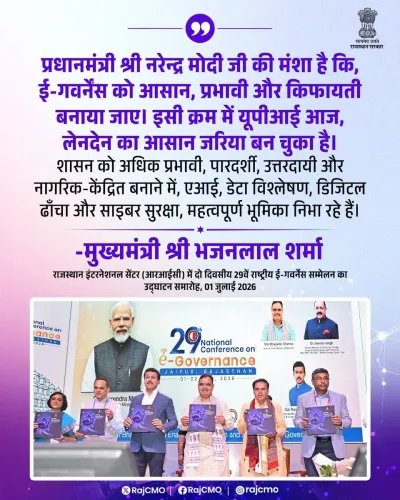
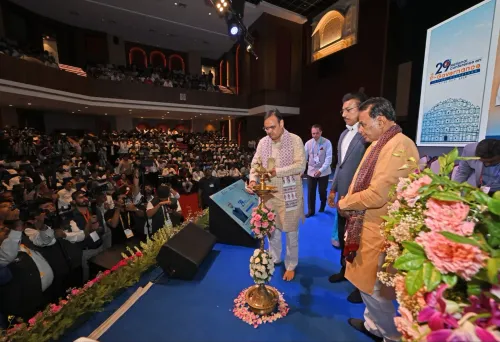
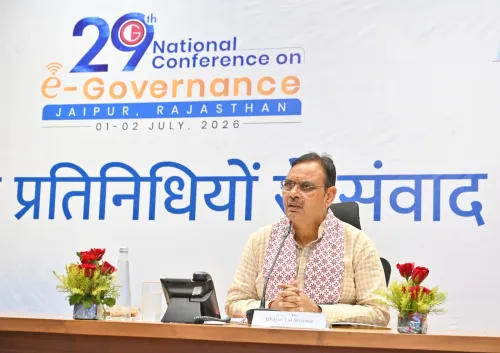
The milestone was highlighted in the context of NCeG2026 , the National Conference on e-Governance.
Rajasthan's growth mirrors trends in states like Karnataka, Maharashtra, and Telangana , reflecting a national push to expand startup ecosystems beyond metros.
Policy support comes from both the state's own Startup Policy and the central government's Startup India initiative launched in 2016.
The Chief Minister's Office of Rajasthan announced on Thursday, 2 July 2026 that the number of startups in the state has more than doubled over the past two years, rising from 4,000 to over 8,500, crediting the momentum to Chief Minister Bhajanlal Sharma's administration. The announcement was made in the context of #11YearsOfDigitalIndia and ahead of the National Conference on e-Governance 2026 (NCeG2026).
Context
The post, shared by the official Rajasthan CMO account, stated in Hindi: 'Pichhle do varshon mein Rajasthan mein startups ki sankhya 4 hazaar se badhkar, saadhe aath hazaar se adhik ho gayi hai' — ('In the last two years, the number of startups in Rajasthan has grown from 4,000 to more than 8,500'). The claim marks a more than 112 per cent increase in registered startups within the state during the tenure of the current BJP government, which took office in December 2023.
The announcement coincides with the 11th anniversary of the Digital India programme, launched by the central government in July 2015 to expand digital public infrastructure and e-governance services across all states. Rajasthan has positioned itself as a key participant in that national drive.
Policy Backdrop
Rajasthan has maintained a dedicated Startup Policy since 2015, revised periodically to offer incentives including funding support, regulatory easing, and tax benefits for technology entrepreneurs — mirroring the objectives of the central government's Startup India initiative announced in January 2016. These twin policy frameworks have been the principal scaffolding for state-level startup growth across India.
The state's IT department has been a central actor in translating these policies into on-ground registrations and incubation support. Rajasthan's growth trajectory aligns with a broader national pattern seen in states such as Karnataka, Maharashtra, and Telangana, where startup counts have surged as digital infrastructure expanded beyond metropolitan centres into tier-2 cities and towns.
Stakeholders and Impact
The primary beneficiaries of this growth are young entrepreneurs, technology professionals, and small-business founders operating across Rajasthan's emerging startup hubs. A larger registered startup base typically translates into greater access to venture funding, government procurement opportunities, and formal employment generation within the state.
The NCeG2026 — the National Conference on e-Governance — serves as an annual platform where state governments present digital governance achievements and coordinate with central ministries. Rajasthan's startup figures are likely to feature prominently in its presentation at the conference, reinforcing the state's positioning as a growing technology destination.
What's Next
Observers will watch for concrete policy announcements or investment commitments emerging from NCeG2026, which is expected to draw participation from state IT ministers, central government officials, and private-sector technology leaders. A revision of Rajasthan's startup policy framework or a new state startup ranking is anticipated in the 2026–27 fiscal cycle.
If the growth rate is sustained, Rajasthan could emerge as a significant tier-2 startup destination on the national map — a development that would have implications for talent retention, state revenue, and the broader goal of decentralising India's innovation economy away from its traditional hubs.
Point of View
Allowing the BJP state government to align itself with a central flagship programme while claiming credit for local outcomes. The more-than-doubling of startup numbers, if borne out by independent data, would represent a genuine policy win — but the figures originate from the government itself, and independent verification remains outstanding. The reference to NCeG2026 signals that Rajasthan intends to use the national e-governance platform as a stage to project its digital credentials ahead of what is expected to be an active policy calendar in 2026–27. Broader context suggests this is part of a competitive race among BJP-governed states to demonstrate Digital India dividends ahead of future electoral cycles.
NationPress
2 Jul 2026
Frequently Asked Questions
How many startups are there in Rajasthan in 2026?
According to the Chief Minister's Office of Rajasthan, the state had more than 8,500 registered startups as of mid-2026, up from around 4,000 two years earlier.
Who is the Chief Minister of Rajasthan in 2026?
Bhajanlal Sharma of the BJP has been the Chief Minister of Rajasthan since December 2023 and is credited in the CMO's announcement with overseeing the state's startup growth.
What is the Digital India programme and when was it launched?
Digital India is a central government scheme launched in July 2015 to expand digital infrastructure, deliver public services electronically, and promote e-governance across all Indian states.
What is Rajasthan's startup policy?
Rajasthan introduced its Startup Policy in 2015 and has revised it periodically to offer incentives such as funding support, regulatory easing, and tax benefits to technology entrepreneurs in the state.