CM Bhupendra Patel: 8.5 Lakh Gujarat Women Earn 'Lakhpati Didi' Tag

Synopsis
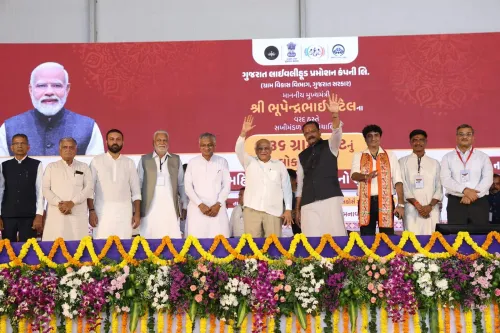
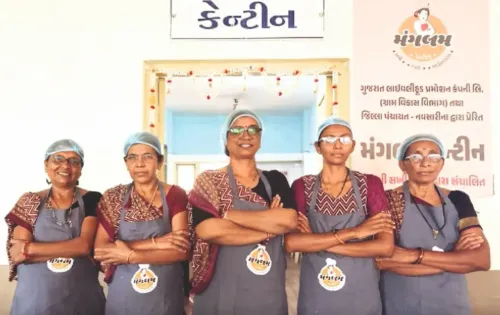
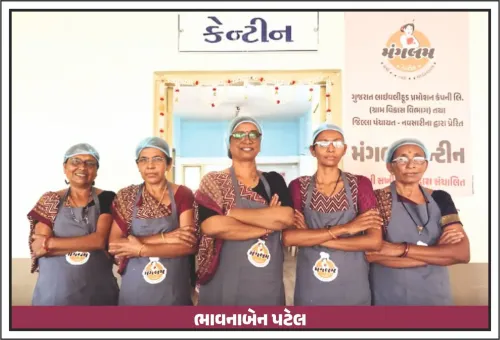
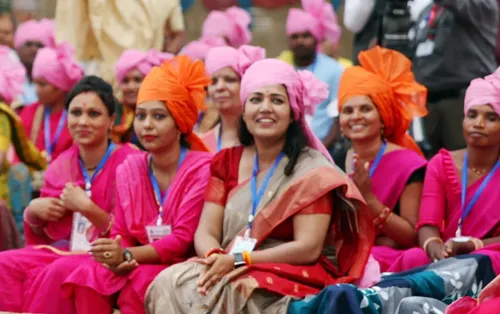
Gujarat CM Bhupendra Patel announced on Navratri 2026 that 8.5 lakh women have earned 'Lakhpati Didi' status through self-employment, out of 24 lakh members across 2.5 lakh Sakhi Mandals supported by GLPC.
Key Takeaways
24 lakh women are enrolled across 2.5 lakh Sakhi Mandals (self-help groups) in Gujarat.
8.5 lakh women have achieved 'Lakhpati Didi' status, meaning their annual household income has crossed ₹1 lakh through self-employment.
The Gujarat Livelihood Promotion Company (GLPC) is the state agency providing credit linkage, skills training, and market access to SHG members.
CM Patel framed the achievement within PM Modi's Viksit Bharat vision, citing 'Nari Shakti' as a foundational pillar of national development.
The announcement was made on Navratri, October 11, 2026 , leveraging the festival's celebration of feminine power.
Roughly one in three enrolled women has crossed the lakhpati threshold, indicating continued headroom for the programme to grow.
On the sacred nine nights of Navratri — a festival that literally celebrates feminine power — Gujarat Chief Minister Bhupendra Patel has put a striking number on the table: 8.5 lakh women across the state have crossed the lakhpati threshold through self-employment, joining a national movement that is quietly rewriting rural household economics.
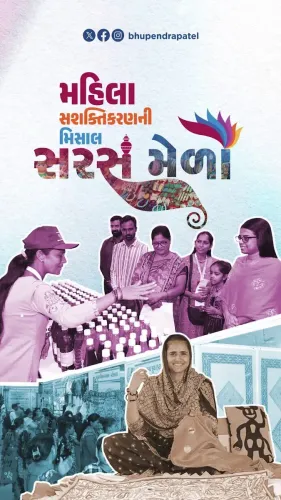
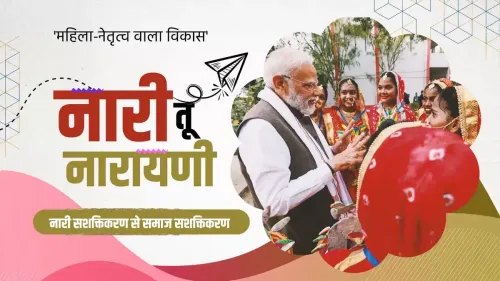
Posting on Sunday, October 11, 2026, CM Patel invoked the phrase 'Nari tu Narayani' (Woman, you are divine) to frame a milestone in Gujarat's women-led livelihood drive. He noted that 2.5 lakh Sakhi Mandals — self-help groups — have brought together nearly 24 lakh women across the state, enabling them to 'open the doors of financial prosperity for their families through self-employment.'
What Sakhi Mandals and GLPC Are Building on the Ground
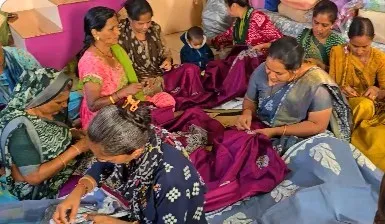
At the centre of this push is the Gujarat Livelihood Promotion Company (GLPC), the state nodal agency that provides credit linkage, skill training, and market access to self-help group members. CM Patel credited GLPC — tagged as @GlpcLivelihood — with creating 'many new opportunities for self-reliance' for these women. The network of 2.5 lakh Sakhi Mandals is the backbone: micro-collectives where women pool savings, access institutional credit, and launch small enterprises ranging from dairy and agri-processing to handicrafts and services.
The 'Lakhpati Didi' designation — awarded to a self-help group member whose household annual income crosses ₹1 lakh — has become a flagship marker under the national scheme championed by the central government. Gujarat's count of 8.5 lakh such women places the state among the leading performers in the programme.
Modi's 'Nari Shakti' Frame and the Viksit Bharat Arc
CM Patel explicitly connected the achievement to Prime Minister Narendra Modi's articulation of 'Nari Shakti' — women's power — as a foundational pillar of the Viksit Bharat (Developed India) vision. This is not rhetorical garnish: the Lakhpati Didi scheme was announced at the national level and has been a consistent talking point in BJP governance messaging, positioning women's economic participation as both a social goal and a growth engine for the broader ₹5-trillion economy ambition.
The Navratri timing of the post is deliberate — the festival, celebrated with particular intensity in Gujarat, venerates nine forms of the goddess Durga. Using it as a moment to spotlight women's economic agency is a recurring political-cultural move in Gujarat's governance calendar, blending festival sentiment with policy achievement.
A Milestone That Still Has Miles to Go
The 24 lakh women enrolled across 2.5 lakh Sakhi Mandals represent significant scale, but 8.5 lakh Lakhpati Didis out of that total means roughly one in three has crossed the income threshold — the rest are still on the ladder. That gap is the next frontier for GLPC and state policy: converting SHG membership into sustained income growth, not just participation numbers.
For a state that built its identity around the 'Gujarat Model' of growth, putting women at the front of that story — with auditable numbers and a named institution accountable for delivery — is both a political statement and a governance commitment. The Navratri lamp is lit; the hard work is in keeping it burning year-round.
Point of View
A central government flagship, gives state governments a ready-made, auditable KPI to demonstrate women's economic progress, and Gujarat's 8.5-lakh count serves both as a performance benchmark and a campaign data point. The GLPC's institutional role signals that Gujarat is routing the programme through a dedicated state apparatus rather than ad-hoc delivery — a governance design choice with long-term implications for accountability. Whether the income gains are sustained beyond a single year will determine whether this milestone is a genuine structural shift or a headline number.
NationPress
12 Oct 2026
Frequently Asked Questions
What is a 'Lakhpati Didi' in Gujarat?
A 'Lakhpati Didi' is a woman from a self-help group (Sakhi Mandal) whose household annual income has crossed ₹1 lakh through self-employment activities. Gujarat CM Bhupendra Patel announced in October 2026 that 8.5 lakh women in the state have achieved this status.
What is the Gujarat Livelihood Promotion Company (GLPC)?
GLPC is the state nodal agency in Gujarat that supports self-help groups (Sakhi Mandals) by providing credit linkage, skill training, and market access to women members, helping them achieve financial self-reliance.
How many Sakhi Mandals are there in Gujarat?
According to CM Bhupendra Patel's October 2026 post, there are 2.5 lakh (250,000) Sakhi Mandals in Gujarat, collectively comprising nearly 24 lakh (2.4 million) women members.
What is the Lakhpati Didi scheme announced by PM Modi?
The Lakhpati Didi scheme is a central government initiative championed by PM Narendra Modi that aims to help women self-help group members earn an annual income of at least ₹1 lakh through skill development and self-employment, positioning women as drivers of the Viksit Bharat vision.
Why did Gujarat CM Patel post about women's self-employment on Navratri?
CM Patel timed the announcement to coincide with Navratri 2026, a festival that celebrates feminine divine power, using the occasion to honour women's economic achievements and align the milestone with the cultural sentiment of the festival.