CM Bhupendra Patel backs Public Examinations Reforms Bill
Synopsis
Gujarat CM Bhupendra Patel has welcomed Parliament's passage of the Public Examinations Reforms Bill, which imposes 10-year prison terms and ₹10 crore fines on paper leak offenders and establishes fast-track courts, pledging Gujarat's own 'Merit First' commitment alongside the Centre.
Key Takeaways
The Public Examinations Reforms Bill was passed by Parliament under PM Narendra Modi's leadership.
Offenders face up to 10 years in jail and fines of up to ₹10 crore .
Special fast-track courts will be set up to ensure swift prosecution of exam fraud cases.
Gujarat CM Bhupendra Patel reaffirmed the state's 'Merit First' and full-transparency commitment alongside the central law.
The bill aims to restore credibility in India's competitive examination and public recruitment systems.
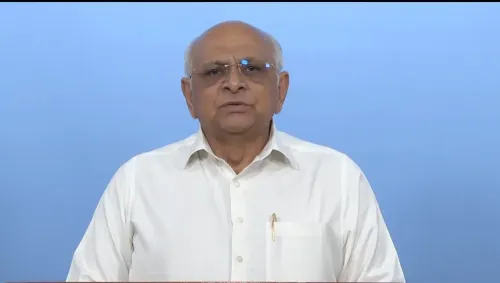
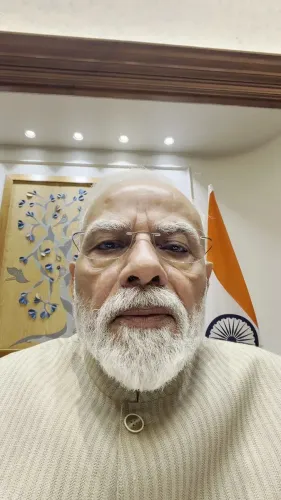
For millions of students who have watched their futures derailed by paper leaks and exam fraud, Parliament has just sent a message that the era of impunity is over. Gujarat Chief Minister Bhupendra Patel on Saturday, August 1, 2026 hailed the passage of the Public Examinations Reforms Bill as a historic step to protect the future of India's youth, crediting the legislation to the leadership of Prime Minister Narendra Modi.
Ten years in jail, ten crore in fines — the bill's hard edge
The legislation is built around deterrence. The bill prescribes 10 years of imprisonment and fines of up to ₹10 crore for those found guilty of paper leaks and examination malpractice. Crucially, it mandates special fast-track courts to ensure swift justice — a direct response to the slow-moving cases that have long allowed exam mafias to operate with confidence. CM Patel described these provisions as making the country's entire examination system 'more transparent and trustworthy.'
Gujarat's 'Merit First' pledge alongside the Centre
Patel made clear that Gujarat is not a passive observer. Aligning the state government with Modi's vision, he reaffirmed Gujarat's commitment to a 'Merit First' principle and complete transparency in examinations and recruitment. The declaration signals that enforcement at the state level will complement the central law — a coordination that will matter when fast-track courts begin hearing their first cases.
Why this moment matters for competitive exam aspirants
India's competitive examination ecosystem — spanning recruitment to central and state government posts, entrance tests for professional courses, and national eligibility exams — has been shaken repeatedly by paper leak scandals. The Union government's pattern of enacting stricter laws reflects a recognition that credibility in merit-based selection is foundational to public trust. The next test will be the rollout of fast-track courts and their enforcement record in the upcoming examination cycle.
For crores of aspirants who prepare for years only to see results cancelled or compromised, the bill is more than legislation — it is a signal that the system is finally being held accountable. Whether enforcement matches the ambition of the law is the question that will define its legacy.
Point of View
The law risks becoming another well-intentioned statute outpaced by entrenched networks.
NationPress
1 Aug 2026
Frequently Asked Questions
What is the Public Examinations Reforms Bill?
The Public Examinations Reforms Bill is legislation passed by the Indian Parliament that imposes penalties — including up to 10 years in jail and fines up to ₹10 crore — on individuals involved in paper leaks and examination malpractice, and mandates special fast-track courts for speedy trials.
What punishment does the bill prescribe for paper leak offenders?
The bill prescribes a maximum of 10 years in prison and fines of up to ₹10 crore for those found guilty of leaking examination papers or engaging in other forms of exam fraud.
What did Gujarat CM Bhupendra Patel say about the bill?
CM Bhupendra Patel called the bill's passage a 'historic initiative' to secure the future of India's youth, and pledged that the Gujarat government would uphold a 'Merit First' principle with complete transparency in line with PM Modi's vision.
What are fast-track courts under the Public Examinations Reforms Bill?
The bill mandates special fast-track courts specifically to hear cases of examination malpractice and paper leaks, ensuring that trials are concluded quickly rather than languishing in the regular court backlog.
Why is India's exam paper leak problem significant?
Repeated paper leaks in national and state-level competitive examinations have disrupted the careers of millions of aspirants, eroded trust in merit-based selection, and fuelled public demand for stricter accountability — making this legislation a politically and socially significant reform.