CM Bhupendra Patel Hails 108 Ambulance Team for Monsoon Delivery
Synopsis
Gujarat Chief Minister Bhupendra Patel on 7 July 2026 lauded the 108 Ambulance Service after its crew successfully assisted the delivery of a pregnant woman in a remote Gujarat village during heavy monsoon rains, calling the service a true lifeline for citizens in medical crises.
Key Takeaways
Gujarat CM Bhupendra Patel publicly commended the 108 Ambulance Service on 7 July 2026 for facilitating a safe delivery in a remote area during monsoon rains.
The 108 Emergency Ambulance Service has operated in Gujarat since 2007 under a public-private partnership with GVK EMRI and the National Rural Health Mission .
From 2013 , the 108 network was integrated into state maternal health programmes under the National Health Mission to support deliveries in remote blocks.
Rural and interior regions of Gujarat face acute access challenges during the monsoon season, making emergency ambulance coverage critical for maternal care.
CM Patel extended congratulations to the ambulance team and best wishes to the mother, child, and family involved in the incident.
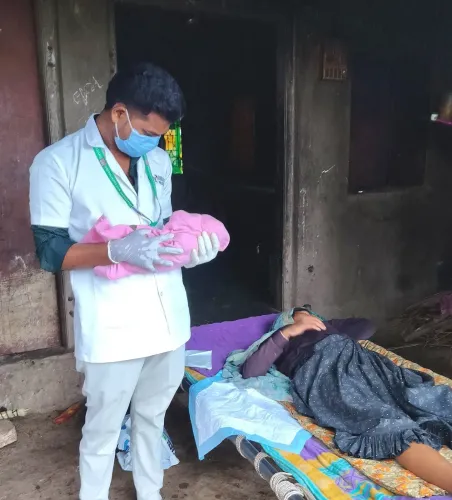
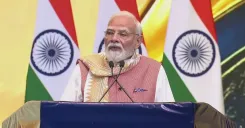
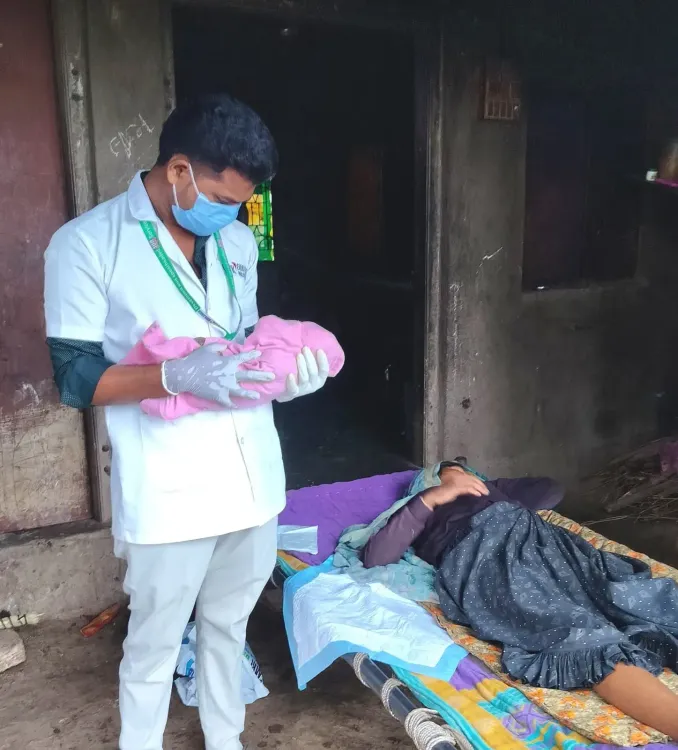
Gujarat Chief Minister Bhupendra Patel on Tuesday, 7 July 2026, publicly commended the 108 Ambulance Service after its team successfully facilitated the delivery of a pregnant woman in a remote area of the state during heavy monsoon rains, calling the service a lifeline for citizens in medical emergencies.
Posting in Gujarati on X, CM Patel wrote: '108 એમ્બ્યુલન્સ સેવા એ સાચે જ મેડિકલ કટોકટીના સમયે નાગરિકો માટે જીવાદોરીનું કામ કરે છે' ['The 108 Ambulance Service truly works as a lifeline for citizens in times of medical emergencies']. He added that when a pregnant woman in a remote area delivers safely during heavy rains, the family feels as though they have received the blessings of God.
Context
The post highlights a specific incident during the 2026 monsoon season in which a 108 Ambulance team reached an interior region of Gujarat and successfully assisted in the delivery of a pregnant woman despite adverse weather and access conditions. CM Patel extended congratulations to the ambulance team and conveyed his best wishes to the mother, child, and family.
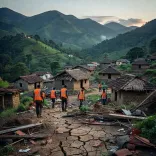
Rural and remote areas of Gujarat face recurring access challenges during the monsoon months, when flooding and damaged roads can delay emergency medical response significantly. The 108 service is designed to bridge precisely this gap.
Policy Backdrop
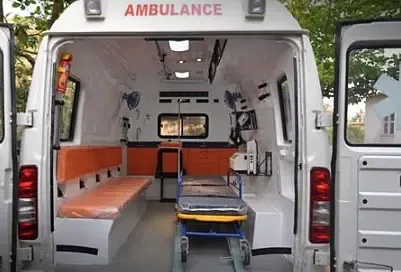
The 108 Emergency Ambulance Service was introduced in Gujarat from 2007 onward through a public-private partnership with GVK EMRI under the National Rural Health Mission. The service operates on a toll-free basis, dispatching trained emergency medical technicians and equipped vehicles across the state's districts.
From 2013, the 108 network was integrated into state maternal health programmes under the National Health Mission, with a specific mandate to support institutional deliveries in remote blocks. The emphasis on last-mile connectivity has been a cornerstone of Gujarat's strategy to reduce maternal mortality in underserved regions.
Stakeholders and Impact
The primary beneficiaries of the 108 system in monsoon conditions are rural pregnant women and residents of interior villages who lack proximity to primary health centres or district hospitals. Timely ambulance access can be the difference between a safe institutional delivery and a high-risk home birth without medical supervision.
The Gujarat state health department has steadily expanded emergency transport networks to counter seasonal access barriers, reflecting broader efforts to improve maternal and neonatal outcomes through timely referral. CM Patel's public acknowledgement also serves to recognise the frontline paramedical staff who operate under difficult monsoon conditions.
What's Next
Attention will now turn to the Gujarat state health department's monsoon-period reports on 108 response times and institutional delivery rates for the 2026 season. Any announcements regarding fleet expansion or real-time GPS tracking upgrades for the 108 network would signal the government's next steps in strengthening rural emergency care.
The Chief Minister's post reinforces the state's public commitment to emergency health infrastructure, and further policy or budgetary moves in this space are likely to be watched closely by health administrators and civil society groups working on maternal health in Gujarat.
Point of View
When service failures tend to attract criticism. By personally acknowledging paramedical staff, he reinforces the BJP government's narrative of last-mile health delivery in rural Gujarat. The 108 service has been a durable symbol of Gujarat's public-private health model since 2007, and such endorsements keep it politically salient. The broader arc points to the state's ongoing effort to tie emergency infrastructure to maternal health outcomes as a measurable governance credential.
NationPress
7 Jul 2026
Frequently Asked Questions
What is the 108 Ambulance Service in Gujarat?
The 108 Ambulance Service is a toll-free emergency medical response system operating across Gujarat, launched in 2007 through a public-private partnership with GVK EMRI under the National Rural Health Mission. It dispatches trained emergency medical technicians to provide pre-hospital care and patient transport.
Why did Gujarat CM Bhupendra Patel praise the 108 Ambulance Service?
CM Bhupendra Patel praised the 108 Ambulance Service on 7 July 2026 after its team successfully assisted in the delivery of a pregnant woman in a remote area of Gujarat during heavy monsoon rains, calling the service a lifeline for citizens in medical emergencies.
How does the 108 service support maternal health in rural Gujarat?
Since 2013, the 108 Ambulance Service has been integrated into Gujarat's maternal health programmes under the National Health Mission, specifically to support institutional deliveries in remote blocks where road access and health infrastructure remain limited, particularly during the monsoon season.
What challenges does the monsoon season create for emergency health services in Gujarat?
During the monsoon season, flooding, damaged roads, and poor connectivity in interior regions of Gujarat can significantly delay emergency medical response. The 108 Ambulance Service is deployed to overcome these barriers and ensure timely care for pregnant women and other patients in remote villages.
Who operates the 108 Ambulance Service in Gujarat?
The 108 Ambulance Service in Gujarat is operated under a public-private partnership model, originally established with GVK EMRI, and functions under the broader framework of the National Rural Health Mission and National Health Mission with state government oversight.