CM Bhupendra Patel Hails Flood Relief Ops in Navsari
Synopsis
Gujarat CM Bhupendra Patel on 24 July 2026 commended NDRF, SDRF, the Indian Army, and local volunteers for flood relief work in rain-hit Navsari district, reaffirming that citizen safety is the state government's top priority and urging residents to follow official directives.
Key Takeaways
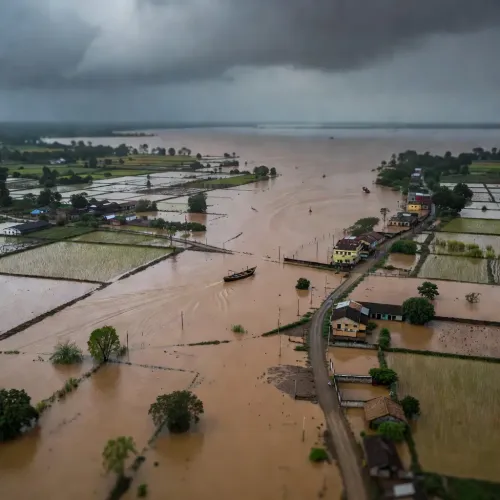
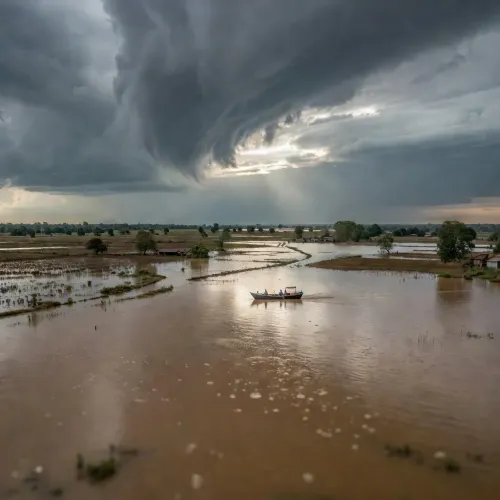
CM Bhupendra Patel on 24 July 2026 acknowledged a flood situation in Navsari district caused by heavy monsoon rainfall.
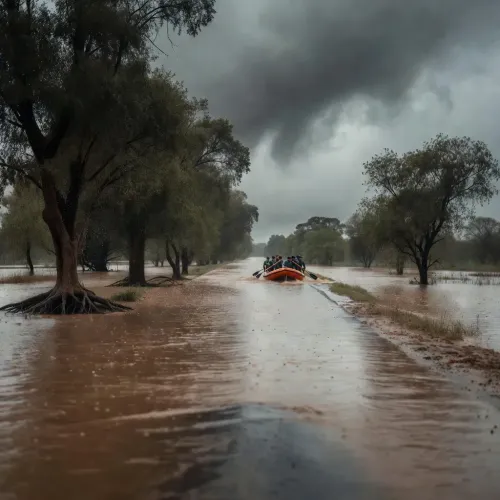
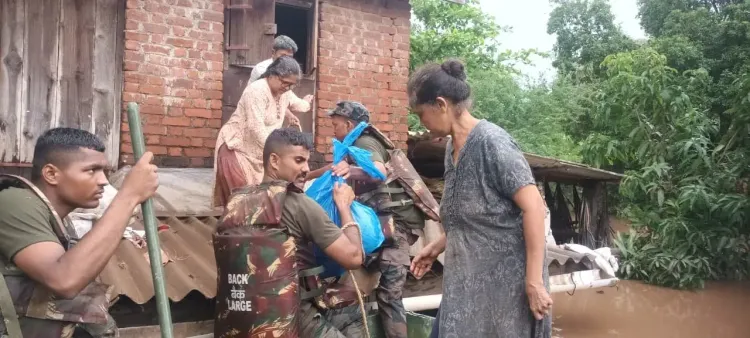
Relief and rescue operations are being conducted by a four-tier force: the district administration, NDRF , SDRF , and the Indian Army , alongside local volunteers.
The Chief Minister described citizen safety as the state government's foremost priority and urged residents to stay at safe locations.
Residents in affected areas have been specifically asked to comply with instructions from the administration.
The state government has committed to providing all necessary assistance to those impacted by the flooding.
Official damage assessments and possible rehabilitation or ex-gratia announcements are expected in the coming days.
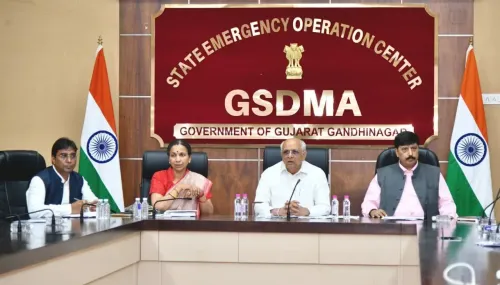
Gujarat Chief Minister Bhupendra Patel on Friday, 24 July 2026 praised multi-agency flood relief operations underway in Navsari district amid heavy monsoon rainfall, urging affected residents to stay in safe locations and follow instructions from local authorities. The Chief Minister reaffirmed that citizen safety remains the state government's foremost priority.
Context
Heavy rainfall has triggered severe flooding in Navsari, a southern Gujarat district that lies in the flood plains of the Ambika and Purna rivers and is historically vulnerable during the monsoon season. CM Patel posted in Gujarati, stating: 'સાથે મળીને પડકારનો સામનો કરવો એ ગુજરાતની તાકાત છે' ['Facing challenges together is Gujarat's strength'], signalling a deliberate message of collective resilience to the public.
The Chief Minister commended the efforts of the district administration, the National Disaster Response Force (NDRF), the Gujarat State Disaster Response Force (SDRF), the Indian Army, and local volunteers for their ongoing search, rescue, and relief operations. He appealed directly to 'all brothers and sisters in the affected areas of the state' to remain at safe locations and comply with official directives.
Policy Backdrop
India's Disaster Management Act, 2005 established the institutional architecture that enables the NDRF and state-level SDRFs to work in tandem with district administrations during flood emergencies. Gujarat's State Disaster Management Plan, periodically updated since 2005, mandates joint operations with central agencies during monsoon crises, making the coordinated response in Navsari consistent with established protocol.
Successive Gujarat administrations have treated inter-agency coordination and public compliance with evacuation orders as twin pillars of crisis management. The deployment of Indian Army units alongside state and central disaster forces reflects standard federal humanitarian-assistance protocols activated during large-scale flooding.
Stakeholders and Impact
Flood-affected residents across Navsari district are the immediate stakeholders, with rescue teams working to evacuate those stranded in inundated areas. Local volunteers, cited alongside professional responders by CM Patel, underscore the community dimension of the relief effort.
The NDRF and SDRF teams are responsible for technical rescue operations — including boat evacuations and medical assistance — while the Indian Army provides logistical depth and manpower. The state government has stated it is 'committed to providing all help,' signalling that administrative and material support will continue for the duration of the crisis.
What's Next
Official damage assessments are expected to follow as floodwaters recede, which could lead to announcements of ex-gratia payments or rehabilitation packages for affected families under state and central disaster relief norms. Authorities may also evaluate whether a formal request for funds under the National Disaster Response Fund is warranted, depending on the scale of losses recorded.
Residents in low-lying and riverside areas of Navsari have been specifically asked to remain vigilant and heed evacuation orders. The coming days will be critical in determining the full extent of the damage and the trajectory of the state's recovery response.
Point of View
NDRF, SDRF, Army) while placing moral responsibility on citizens to cooperate, thereby distributing accountability broadly. The Gujarati-language appeal reinforces a local, grassroots tone even as it invokes federal assets, a pattern consistent with how the BJP frames disaster governance as both state capacity and community solidarity. The absence of specific casualty or damage figures keeps the messaging aspirational rather than alarming, which is standard practice before official assessments are complete. The post also quietly positions the government ahead of any forthcoming rehabilitation announcements, laying the groundwork for a follow-up narrative of swift state action.
NationPress
24 Jul 2026
Frequently Asked Questions
Which district in Gujarat is affected by floods in July 2026?
Navsari district in southern Gujarat is facing severe flooding due to heavy monsoon rainfall, as confirmed by CM Bhupendra Patel's post on 24 July 2026 .
Which agencies are conducting flood rescue operations in Navsari?
The relief and rescue operations in Navsari are being carried out jointly by the district administration, the NDRF , the SDRF , the Indian Army , and local volunteers.
What did Gujarat CM Bhupendra Patel say about the Navsari floods?
CM Bhupendra Patel praised the ongoing rescue efforts and urged all residents in affected areas to stay at safe locations and follow instructions from the administration, stating that citizen safety is the government's top priority.
What is the NDRF and why is it deployed in Gujarat floods?
The National Disaster Response Force (NDRF) is a central government agency specialised in search, rescue, and relief during disasters. It is deployed in Gujarat under the Disaster Management Act, 2005 to support state agencies during large-scale flooding.
Will Gujarat flood victims receive compensation or ex-gratia payments?
While CM Patel has stated the state government is 'committed to providing all help,' specific ex-gratia or rehabilitation announcements are expected after official damage assessments are completed in Navsari and other affected areas.