CM Bhupendra Patel Hails Stand-Up India Extension to 2031
Synopsis
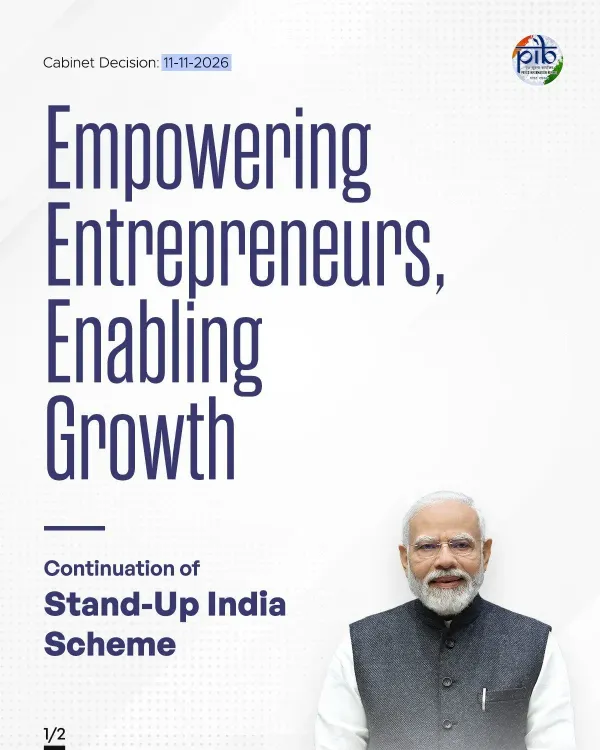
PM Modi has extended the Stand-Up India Scheme to March 31, 2031, targeting 2.5 lakh new entrepreneurs from SC/ST communities and women with loans of ₹10 lakh to ₹1 crore. Gujarat CM Bhupendra Patel welcomed the move as a step toward inclusive economic self-reliance.
Key Takeaways
The Stand-Up India Scheme has been extended for five years, now running until March 31, 2031 .
An additional 2.5 lakh entrepreneurs from women, SC, and ST categories are targeted under the extension.
Loans range from ₹10 lakh to ₹1 crore , covering up to 85% of project cost , exclusively for greenfield ventures.
The scheme was originally launched on April 5, 2016 to channel institutional bank credit to underrepresented entrepreneurs.
Gujarat CM Bhupendra Patel praised PM Modi for the extension, linking it to the goal of a 'self-reliant Bharat.' State-level disbursement and monitoring will be critical to whether the 2.5 lakh beneficiary target is actually achieved.
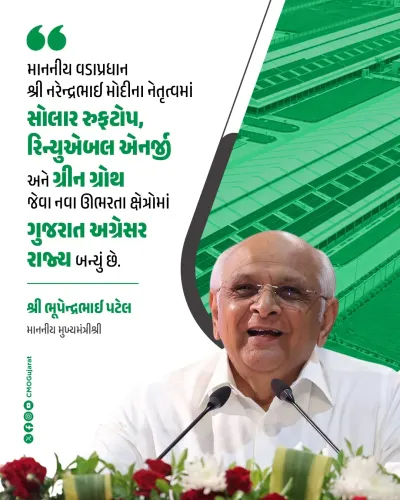
A scheme that has quietly reshaped entrepreneurship for India's most underrepresented communities just got five more years of life. Gujarat Chief Minister Bhupendra Patel on Wednesday, November 11, 2026, welcomed the central government's decision to extend the Stand-Up India Scheme until March 31, 2031, crediting Prime Minister Narendra Modi for a move he called 'a significant step towards building an inclusive, entrepreneurial and self-reliant Bharat.'
What the Stand-Up India extension means in numbers
The extension is not symbolic — it comes with hard targets. Under the renewed scheme, an additional 2.5 lakh entrepreneurs are set to access institutional credit support, with loans ranging from ₹10 lakh to ₹1 crore, covering up to 85% of the project cost. The beneficiaries are defined and deliberate: women entrepreneurs and those from Scheduled Castes and Scheduled Tribes — communities for whom collateral-backed formal credit has historically been the highest wall to climb. The scheme was originally launched on April 5, 2016, as a targeted credit pipeline through scheduled commercial banks, designed specifically to fund greenfield enterprises — meaning first-time ventures, not expansions of existing businesses. That design choice matters: it pushes institutional capital toward people entering the formal economy for the very first time.Why Gujarat's CM is invested in the outcome
Bhupendra Patel, as Chief Minister of one of India's most industrially active states, sits at the implementation end of this pipeline. Central schemes in credit-linked entrepreneurship only deliver when state-level banking ecosystems and district-level monitoring are functioning. Gujarat's relatively robust banking infrastructure makes it a bellwether for how effectively such extensions translate into actual disbursements on the ground. Patel's statement frames the extension as 'visionary' — language that reflects the BJP's broader political positioning of welfare-linked economic schemes as instruments of structural transformation, not just relief. Whether that framing holds will depend on what state-level disbursement data looks like in the first two years of the extended window.The wider arc: credit inclusion as economic strategy
Stand-Up India sits inside a larger constellation of credit-linked programmes — from PM Mudra Yojana to PM SVANidhi — that the central government has used to push formal lending into the informal economy. The pattern is consistent: extend, expand, and retarget schemes that show social reach even when scale remains a work in progress. For SC/ST communities and women entrepreneurs, formal institutional credit remains underpenetrated. A five-year extension — with a clear beneficiary ceiling of 2.5 lakh — gives both banks and state governments a measurable mandate. The real test will come in the monitoring reports: how many of those 2.5 lakh loans are actually disbursed, and how many businesses survive beyond the repayment window. The scheme's longevity is itself a signal. Ten years in, Stand-Up India is now entering its third phase — and the government is betting its structure still has room to run.Point of View
Endorsing the scheme publicly ties Gujarat's developmental narrative to the Centre's inclusive-growth agenda. The harder question is implementation fidelity: past phases of Stand-Up India have shown solid loan sanctioning but uneven disbursement and business survival rates, making state-level accountability the real determinant of success.
NationPress
11 Nov 2026
Frequently Asked Questions
What is the Stand-Up India Scheme?
Stand-Up India is a central government scheme launched on April 5, 2016, that provides bank loans between ₹10 lakh and ₹1 crore to women entrepreneurs and those from Scheduled Caste and Scheduled Tribe communities for starting greenfield enterprises.
How long has the Stand-Up India Scheme been extended?
The scheme has been extended for five years and will now run until March 31, 2031.
How many people will benefit from the Stand-Up India extension?
An additional 2.5 lakh entrepreneurs are targeted under the extended scheme period, all from women, SC, or ST categories.
What percentage of project cost does Stand-Up India cover?
The scheme covers up to 85% of the project cost through institutional bank loans ranging from ₹10 lakh to ₹1 crore.
Why did Gujarat CM Bhupendra Patel comment on the Stand-Up India extension?
As Gujarat's Chief Minister, Patel is responsible for state-level implementation of central economic programmes and expressed gratitude to PM Modi, calling the extension a step toward an inclusive and self-reliant Bharat.