CM Bhupendra Patel Hears Citizens Directly at Garbada Jan Sunavani
Synopsis
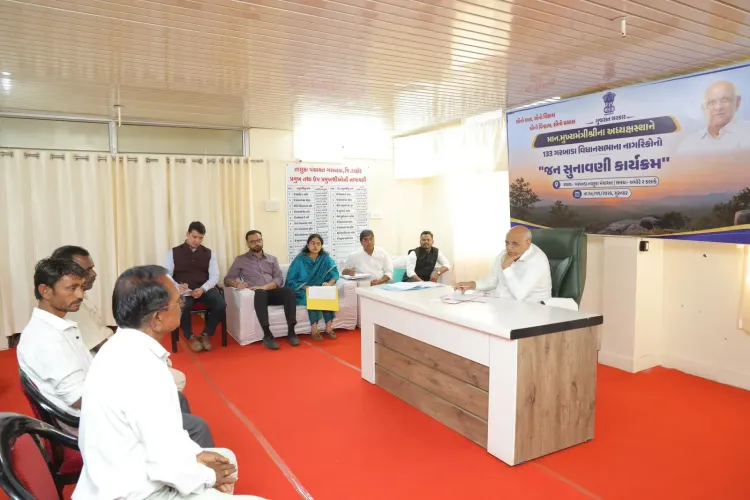
Gujarat Chief Minister Bhupendra Patel attended a Jan Sunavani public grievance hearing at Garbada Taluka Panchayat in Dahod district on November 19, 2026, listening to citizens directly and issuing on-the-spot instructions to officials under his 'Nagrik Devo Bhava' governance doctrine.
Key Takeaways
CM Bhupendra Patel personally attended the Jan Sunavani programme at Garbada Taluka Panchayat office on November 19, 2026 .
He listened directly to citizens' grievances and representations, in keeping with the 'Nagrik Devo Bhava' principle.
On-the-spot instructions were issued to concerned administrative officers for swift and sensitive resolution of issues.
Garbada is part of Dahod district , a predominantly tribal region in eastern Gujarat, giving the visit added grassroots significance.
Jan Sunavani is a structured public-facing programme central to Gujarat BJP's 'su-shasan' (good governance) framework.
Patel, in office since September 2021 , has consistently positioned citizen trust as the foundational strength of his administration.
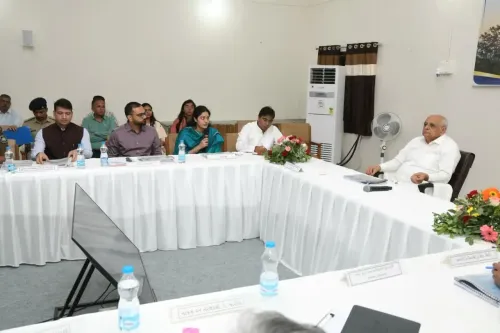
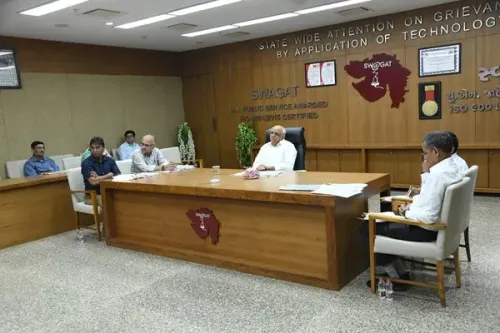
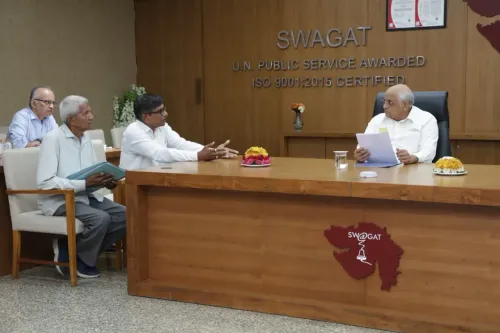
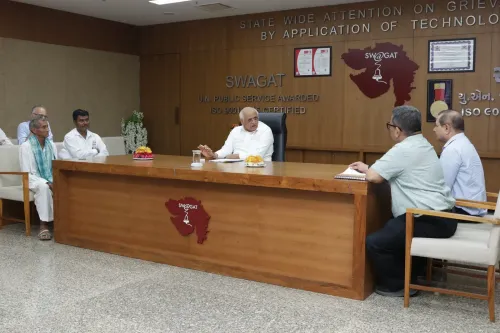
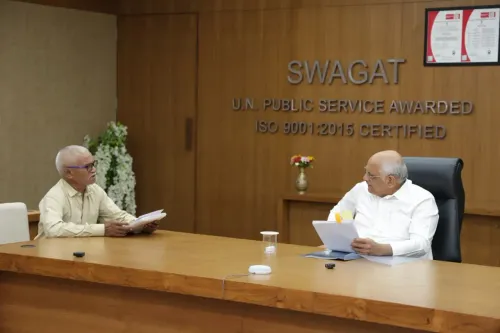
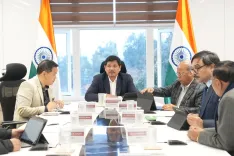
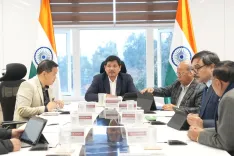
With the guiding principle of 'Nagrik Devo Bhava' — the citizen is divine — Gujarat Chief Minister Bhupendra Patel attended a Jan Sunavani (public grievance hearing) programme at the Garbada Taluka Panchayat office on Thursday, November 19, 2026, listening directly to the concerns and representations of local residents.
Direct grievances, on-the-spot orders
Patel did not simply attend — he acted. After hearing citizens' problems firsthand, he issued instructions to the concerned administrative officers on the spot, directing that issues be resolved swiftly and with sensitivity. The move signals the intent behind the programme: not a symbolic listening exercise, but a command-and-resolve session with the Chief Minister in the room.
In his post, Patel framed the purpose plainly: 'Resolving people's questions with full dedication is the hallmark of good governance. The unbreakable trust of the public is the true strength of the government.' The Gujarati phrase 'janata no atoot vishwas' — the unbreakable faith of the people — has become a recurring motif in how Gujarat's BJP leadership articulates its governance philosophy.
What Jan Sunavani is — and why Garbada matters
Jan Sunavani is a structured public grievance redressal format used across Gujarat, designed to bring senior political leadership face-to-face with citizens at the taluka level — the administrative tier closest to rural life. Garbada is a taluka in Dahod district, a predominantly tribal region in eastern Gujarat. A Chief Minister's direct presence there carries weight beyond routine governance optics.
The programme is a cornerstone of what BJP-governed states describe as 'su-shasan' — good governance — a framework that emphasises visible accountability, speed of redressal, and leadership proximity to grassroots concerns. Gujarat has consistently positioned this model as replicable and scalable.
The 'Nagrik Devo Bhava' governance doctrine
Bhupendra Patel, who assumed office as Chief Minister in September 2021, has repeatedly grounded his administration's public-facing work in this doctrine. The phrase inverts the classical 'Atithi Devo Bhava' — the guest is divine — to place the citizen at the centre of state service. It is a deliberate rhetorical and administrative signal about whom the government treats as its primary stakeholder.
Events like Thursday's hearing in Garbada are designed to shorten the distance between a villager's complaint and an officer's directive — with the Chief Minister as witness and enforcer at once. Whether the on-the-spot instructions translate into measurable resolution on the ground is what will ultimately define the programme's legacy.
Point of View
Such events serve dual purposes: demonstrating su-shasan credentials ahead of any electoral cycle and reinforcing grassroots presence in regions like Dahod where tribal voter consolidation matters. The real test, as always, is whether the on-the-spot directives produce documented, follow-through outcomes — that gap between optics and delivery is where governance reputations are actually built or eroded.
NationPress
19 Nov 2026
Frequently Asked Questions
What is Jan Sunavani in Gujarat?
Jan Sunavani is a structured public grievance redressal programme in Gujarat where senior political leaders, including the Chief Minister, directly hear citizens' complaints and representations at the taluka or district level, and issue on-the-spot instructions to administrative officials for resolution.
Where is Garbada taluka located?
Garbada is a taluka in Dahod district, situated in the eastern, predominantly tribal region of Gujarat.
What does 'Nagrik Devo Bhava' mean?
'Nagrik Devo Bhava' is a Gujarati phrase meaning 'the citizen is divine.' It is used by Gujarat's BJP government as the guiding doctrine of its public-service and governance approach, placing the citizen at the centre of administrative accountability.
When did Bhupendra Patel become Chief Minister of Gujarat?
Bhupendra Patel assumed office as Chief Minister of Gujarat in September 2021.
What is 'su-shasan' in the context of Gujarat governance?
'Su-shasan' is a Gujarati and Hindi term meaning 'good governance.' In Gujarat's BJP-led administration, it refers to a governance framework emphasising speed of redressal, visible leadership accountability, and citizen trust-building through direct public interaction programmes like Jan Sunavani.