CM Bhupendra Patel highlights PM Kisan scheme impact in Gujarat

Synopsis
Gujarat CM Bhupendra Patel spotlights Bharuch farmer Naranbhai Patel, who uses the PM Kisan Samman Nidhi scheme's Rs 6,000 annual direct transfer for seeds and fertiliser, framing it as proof of PM Modi's 25-year commitment to farmer welfare under #SevaSankalpAbhiyan.
Key Takeaways
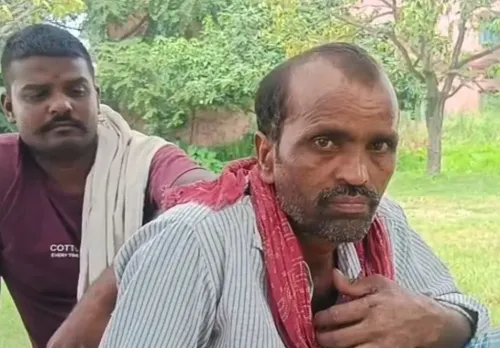
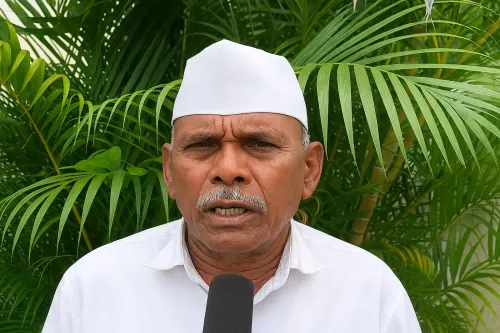
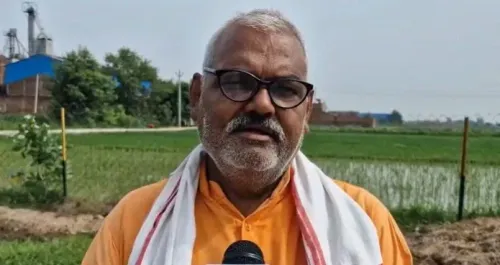
Naranbhai Patel , a farmer from Bharuch district, Gujarat , sustains himself and his mother through farming and animal husbandry.
Under PM Kisan Samman Nidhi Yojana , he receives Rs 6,000 per year directly into his bank account in three instalments.
He uses the funds specifically to purchase seeds and fertiliser at sowing time, eliminating seasonal financial stress.
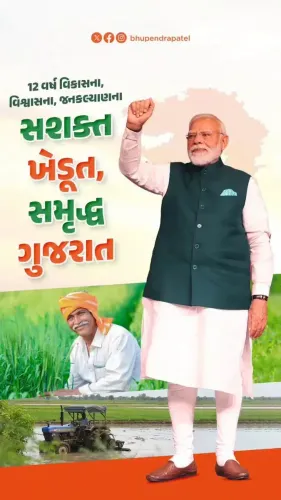
CM Bhupendra Patel shared the testimonial under the #SevaSankalpAbhiyan campaign marking PM Modi's 25 years of public service.
The post frames direct benefit transfers as central to making small farmers economically self-reliant .
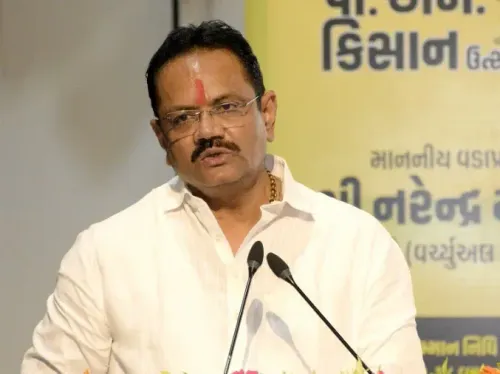
A small farmer from Bharuch district who grows crops and raises livestock to support himself and his elderly mother now has one less worry at sowing time — and Gujarat Chief Minister Bhupendra Patel shared exactly why on Monday, October 5, 2026.
CM Patel shared the story of Naranbhai Patel, a farmer from Bharuch, whose testimonial captures the ground-level impact of the PM Kisan Samman Nidhi Yojana. 'With the help received from the PM Kisan Samman Nidhi scheme, we can bring seeds and fertilisers on time,' Naranbhai says in the post — a single line that tells the entire story of seasonal agriculture stress in rural India.
Rs 6,000 a year, straight to the bank
Under PM Kisan Samman Nidhi, launched by the Narendra Modi government, eligible small and marginal farmers receive Rs 6,000 annually in three equal instalments of Rs 2,000 each, transferred directly into their bank accounts. For Naranbhai, that money goes immediately towards seeds and fertiliser — the two inputs that determine whether a season pays off or breaks the family.
The scheme eliminates the middleman and the moneylender in one move. Direct bank transfer means funds arrive before the sowing window closes, not after.
Naranbhai's household and what the money means
Naranbhai runs a dual livelihood — farming and animal husbandry — to support himself and his mother. For a household this size, Rs 6,000 may sound modest in urban terms, but in the agricultural calendar it is precisely timed liquidity that determines whether a farmer buys inputs at the right moment or borrows at punishing interest rates.
CM Patel notes that the assistance has 'removed his financial anxiety' — a phrase that carries real weight in a farming community where seasonal debt can spiral into crisis.
Modi's 25-year service milestone as the backdrop
The post is pegged to Prime Minister Modi's 25 years of continuous public service, framing the scheme as emblematic of that arc. CM Patel describes making farmers 'economically empowered and self-reliant' as the 'true identity' of the PM's quarter-century in governance — a formulation that connects a single farmer's story to the broader Atmanirbhar Bharat (self-reliant India) narrative.
The post carries the hashtags #SevaSankalpAbhiyan and #SevaKiKahani (Stories of Service), suggesting a coordinated campaign collecting such ground-level testimonials to mark the milestone.
One farmer's timely bag of seeds. One scheme. Twenty-five years of a political promise distilled into a bank notification — that is the story CM Patel wants Gujarat, and India, to remember.
Point of View
CM Patel's post reflects the BJP's increasingly personalised approach to welfare communication — anchoring big-ticket schemes in relatable human narratives. The timing, tied to PM Modi's 25-year service milestone and the #SevaSankalpAbhiyan campaign, signals a deliberate party effort to frame direct-benefit-transfer schemes as the defining legacy of that tenure. For Gujarat, traditionally a BJP stronghold with a large agrarian constituency in districts like Bharuch, such testimonials serve both a political and an outreach function. The question the story quietly raises is whether Rs 6,000 annually still keeps pace with rising input costs — a number that has remained unchanged since the scheme's inception.
NationPress
5 Oct 2026
Frequently Asked Questions
What is PM Kisan Samman Nidhi Yojana and how much money do farmers get?
PM Kisan Samman Nidhi Yojana is a central government scheme that provides eligible small and marginal farmers with Rs 6,000 per year, paid in three instalments of Rs 2,000 each, transferred directly to their bank accounts.
Who is Naranbhai Patel from Bharuch and why is he in the news?
Naranbhai Patel is a farmer from Bharuch district, Gujarat, who supports himself and his mother through farming and animal husbandry. Gujarat CM Bhupendra Patel shared his testimonial about how PM Kisan funds help him buy seeds and fertiliser on time.
What is the #SevaSankalpAbhiyan campaign?
#SevaSankalpAbhiyan (Service Resolve Campaign) and its companion hashtag #SevaKiKahani (Stories of Service) appear to be a BJP-led initiative collecting ground-level beneficiary testimonials to mark Prime Minister Modi's 25 years of public service.
How does PM Kisan money reach farmers — is it direct to bank accounts?
Yes, PM Kisan Samman Nidhi funds are transferred directly into registered farmers' bank accounts through the Direct Benefit Transfer mechanism, bypassing intermediaries.
Why did Gujarat CM Bhupendra Patel post about a Bharuch farmer today?
CM Bhupendra Patel shared Naranbhai Patel's story on October 5, 2026, as part of the #SevaSankalpAbhiyan campaign marking PM Narendra Modi's 25-year milestone in public service, highlighting the PM Kisan scheme's impact on small farmers.