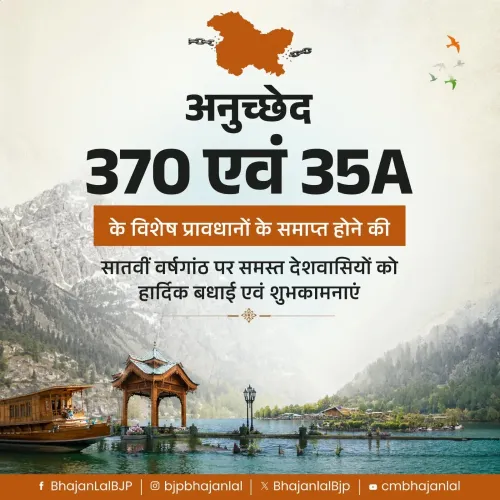
CM Bhupendra Patel marks 7 years of Article 370 abrogation
Synopsis
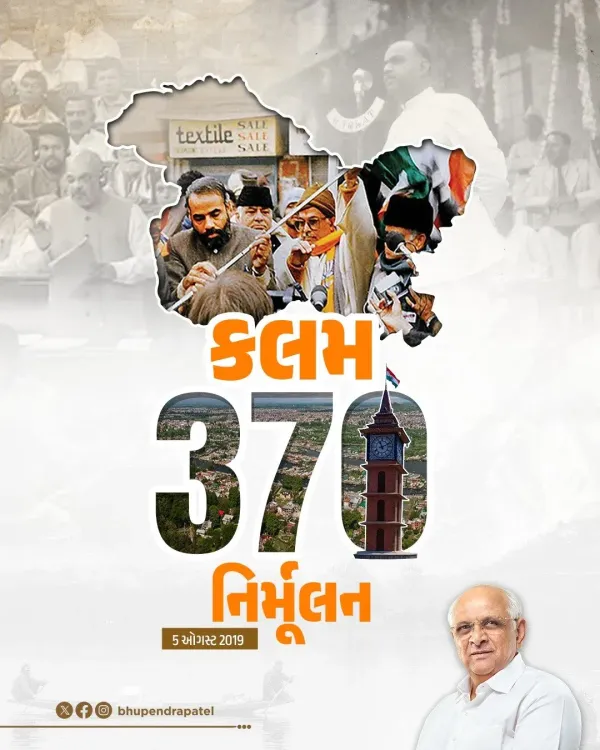
Gujarat CM Bhupendra Patel marked the 7th anniversary of Article 370's abrogation on 5 August, crediting PM Modi and Home Minister Amit Shah for fulfilling Dr. Shyama Prasad Mukherjee's vision of full constitutional integration of Jammu and Kashmir under the Ek Bharat Shreshtha Bharat framework.
Key Takeaways
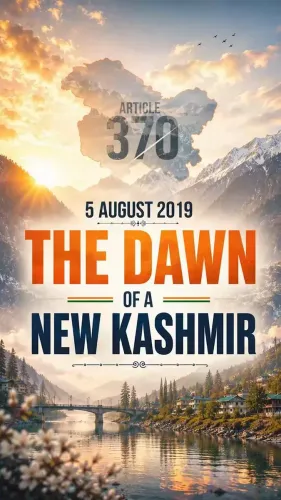
5 August 2019 : Article 370 was abrogated through a presidential order, ending Jammu and Kashmir's special constitutional status after seven decades.
Gujarat CM Bhupendra Patel called the date an 'epoch-making chapter' in India's history in a post on 5 August 2026 .
The abrogation fulfilled a commitment carried in the BJP's 2014 and 2019 election manifestos.
The Jammu and Kashmir Reorganisation Act bifurcated the former state into two union territories: Jammu and Kashmir, and Ladakh.
The Supreme Court upheld the abrogation in December 2023 , settling the primary legal challenge.
Shyama Prasad Mukherjee , who campaigned for full integration and died in Kashmir detention in 1953 .
Seven years ago, a single constitutional move rewrote the map of Indian governance — and Gujarat Chief Minister Bhupendra Patel marked the anniversary of Article 370's abrogation on 5 August with a pointed tribute to the leaders who drove it and the vision it was meant to fulfil.
Writing in Gujarati, CM Patel called the date 'yugapravartak adhyay' — 'an epoch-making chapter' — in India's history. He credited Prime Minister Narendra Modi and Union Home Minister Amit Shah for their 'firm resolve and strong leadership' in ending the special status that had kept Jammu and Kashmir constitutionally apart from the rest of India for seven decades.
From Mukherjee's dream to Modi's majority
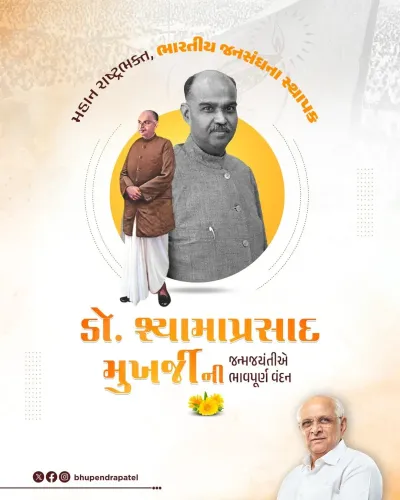
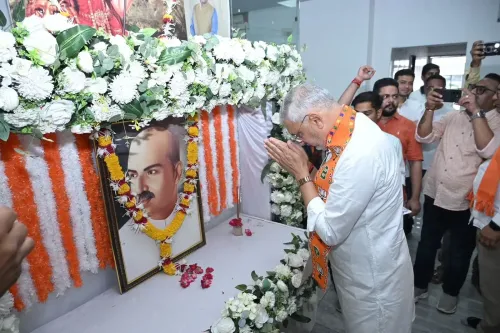
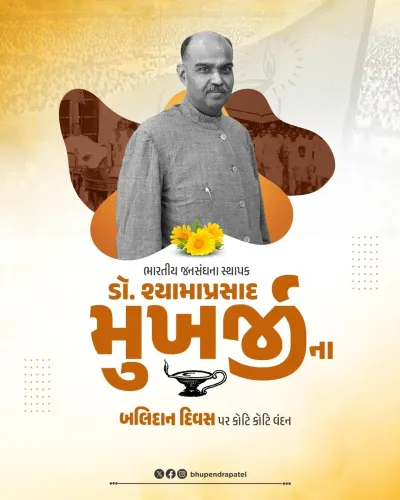
Patel's post invoked Dr. Shyama Prasad Mukherjee, founder of the Bharatiya Jana Sangh and one of the earliest voices demanding full constitutional integration of Jammu and Kashmir. Mukherjee famously opposed the special status arrangement and died in detention in Kashmir in 1953 while campaigning against it. For the BJP, the 2019 abrogation was the fulfilment of that decades-old ideological commitment — one the party had placed explicitly in its 2014 and 2019 election manifestos.
On 5 August 2019, the government moved swiftly: Article 370 was revoked through a presidential order, and the Jammu and Kashmir Reorganisation Act bifurcated the former state into two union territories — Jammu and Kashmir and Ladakh. The Supreme Court upheld the move in December 2023, closing the principal legal challenge to the decision.
Kashmir in the 'Ek Bharat' framework
Patel framed the abrogation not as a legal correction alone but as the starting point for 'a new sunrise of peace, good governance, and all-round progress' in the region. He concluded with the government's integrationist slogan — 'Ek Bharat, Shreshtha Bharat' ('One India, Best India') — casting Kashmir as an equal partner in the nation's development agenda.
The Ek Bharat Shreshtha Bharat framework, launched under the Modi government, promotes cultural and administrative linkages between states and union territories. Jammu and Kashmir's inclusion in central development schemes following the reorganisation has been a consistent talking point for BJP leaders on each anniversary of the abrogation.
As the union territory awaits the full restoration of statehood — a question that remains politically live — anniversary posts like Patel's signal that the BJP intends to keep 5 August firmly on the national calendar as a landmark of its governance record.
Point of View
Serving simultaneously as a governance milestone and an ideological statement rooted in the Jana Sangh tradition. CM Patel's invocation of Shyama Prasad Mukherjee ties the 2019 decision to a 70-year party lineage, reinforcing the BJP's claim of historical continuity. The framing of Kashmir through the 'Ek Bharat Shreshtha Bharat' lens also signals the Centre's intent to normalise the union territory's status rather than revisit statehood debates. With J&K assembly politics and central scheme delivery still evolving, these annual markers double as political accountability benchmarks the party sets for itself.
NationPress
5 Aug 2026
Frequently Asked Questions
When was Article 370 abrogated?
Article 370 was abrogated on 5 August 2019 through a presidential order, ending Jammu and Kashmir's special constitutional status. The Jammu and Kashmir Reorganisation Act, passed the same day, bifurcated the state into two union territories.
What did Bhupendra Patel say about Article 370?
Gujarat CM Bhupendra Patel posted in Gujarati calling 5 August 2019 an 'epoch-making chapter' in Indian history, crediting PM Modi and Home Minister Amit Shah for the abrogation and invoking Dr. Shyama Prasad Mukherjee's vision of a unified India.
Who was Shyama Prasad Mukherjee and what was his connection to Article 370?
Dr. Shyama Prasad Mukherjee was the founder of the Bharatiya Jana Sangh, a predecessor of the BJP. He campaigned against Article 370 and the special status of Jammu and Kashmir, and died in detention in Kashmir in 1953 while protesting the arrangement.
Did the Supreme Court uphold the abrogation of Article 370?
Yes. The Supreme Court of India upheld the abrogation of Article 370 in December 2023 , dismissing the legal challenges and validating the government's constitutional action.
What is Ek Bharat Shreshtha Bharat?
' Ek Bharat Shreshtha Bharat ' is a government framework launched under PM Modi that promotes cultural, social, and administrative integration among India's states and union territories. BJP leaders frequently cite it in the context of Jammu and Kashmir's post-370 status.