CM Bhupendra Patel: PM Modi assures full central aid for Gujarat floods
Synopsis
Gujarat Chief Minister Bhupendra Patel announced on 23 July 2026 that Prime Minister Narendra Modi personally contacted him to assess the heavy-rain situation in the state and assured complete central government support for rescue, relief, and safety operations.
Key Takeaways
PM Narendra Modi personally called Gujarat CM Bhupendra Patel on 23 July 2026 to assess the flood situation caused by heavy monsoon rainfall.
The Prime Minister assured 'complete assistance' from the central government in rescue, relief, and safety operations in the rain-hit state.
The coordination invokes the Disaster Management Act, 2005 framework, under which the centre provides financial and operational support to affected states.
The National Disaster Response Force (NDRF) , constituted in 2006 , is the primary central agency deployable for flood rescue and relief.
States facing severe flooding are eligible for advance funds under State Disaster Response Fund (SDRF) norms — a mechanism used in Gujarat as recently as 2017 .
The scale of actual central deployment and any formal relief package announcement are being watched as next steps.
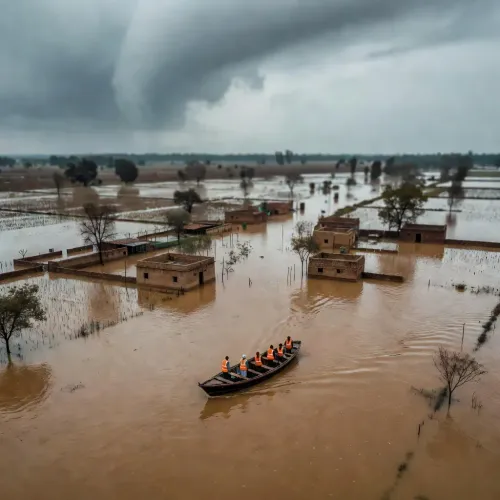
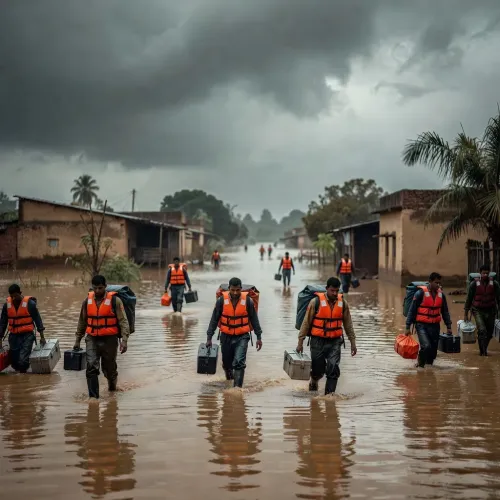
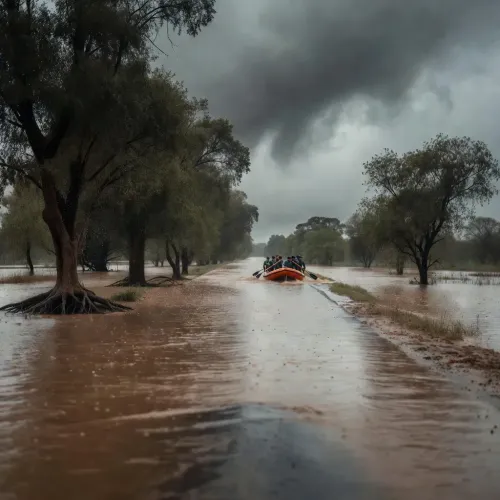
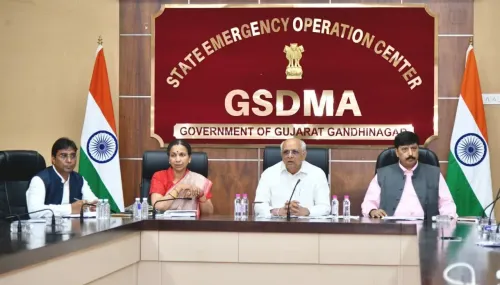
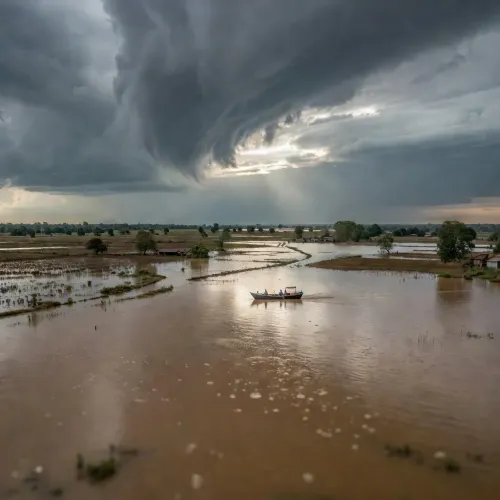
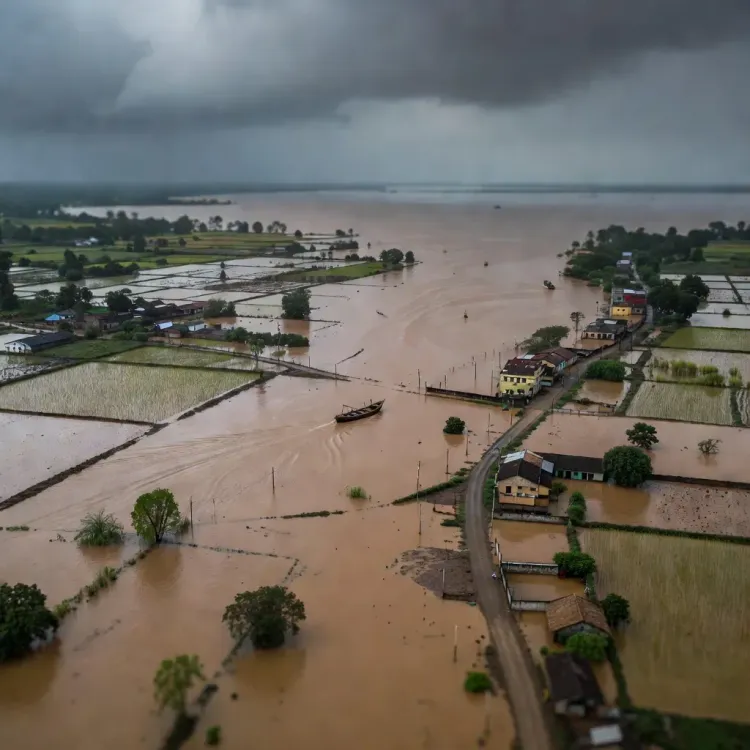
Gujarat Chief Minister Bhupendra Patel on Thursday, 23 July 2026, said that Prime Minister Narendra Modi personally called him to assess the flood situation triggered by heavy monsoon rainfall across the state, and assured complete central government support for rescue, relief, and safety operations.
Context
Posting on X in Gujarati, CM Patel wrote that the Prime Minister contacted him directly to gather details about conditions arising from the heavy rainfall — 'ભારે વરસાદથી સર્જાયેલી સ્થિતિ' ('the situation created by heavy rainfall'). He added that PM Modi gave assurances of 'full assistance from the central government in rescue, relief, and safety measures' in the rain-hit state.
Gujarat is a western Indian state that faces recurrent heavy monsoon rainfall and localised flooding each year, placing significant stress on state administration and emergency services during the June-September monsoon season.
Policy Backdrop
The coordination described by CM Patel falls within the framework established by the Disaster Management Act, 2005, which created the legal basis for central financial and operational assistance to states facing natural calamities. Under this framework, the National Disaster Response Force (NDRF), constituted in 2006, provides specialised rescue and relief teams that can be deployed rapidly to flood-affected areas.
States are also eligible for funds under the State Disaster Response Fund (SDRF) norms, with the central government releasing advance tranches in severe situations. In 2017, during a previous episode of severe flooding in Gujarat, the central government had deployed NDRF teams and released advance financial assistance under these norms — a precedent that contextualises the current assurance from the Prime Minister.
Stakeholders and Impact
The most immediate stakeholders are flood-affected residents across Gujarat, who depend on timely deployment of rescue personnel, relief materials, and evacuation support. The state administration, including district collectors and the Gujarat State Disaster Management Authority, coordinates on-ground response and channels central resources to affected communities.
Direct communication between the Prime Minister and the Chief Minister signals that the situation has been escalated to the highest levels of government, which typically accelerates the mobilisation of central agencies and resources. Such public assurances also serve to communicate to affected populations that support is forthcoming.
What's Next
Observers will watch for the formal release of a central relief package, any additional NDRF team deployments to specific districts, and updates from the India Meteorological Department (IMD) on the intensity and duration of the ongoing rainfall. The scale of central assistance — including the number of teams deployed and any advance SDRF release — will determine the practical impact of the Prime Minister's assurance on the ground in Gujarat.
Point of View
Made public through an official X post, is a well-established political signalling tool in Indian disaster governance — it projects federal solidarity while activating bureaucratic channels for central assistance. The exchange follows a consistent pattern in which BJP-led central and state governments coordinate publicly during weather emergencies, reinforcing the party's administrative responsiveness narrative. What matters beyond the optics is whether the assurance translates into rapid NDRF deployments and an advance SDRF release, both of which are measurable outcomes. The coming days will test whether the centre-state coordination is as swift in execution as it is in public communication.
NationPress
23 Jul 2026
Frequently Asked Questions
Why did PM Modi call Gujarat CM Bhupendra Patel about the floods?
PM Modi called CM Bhupendra Patel to personally assess the situation created by heavy monsoon rainfall in Gujarat and to assure him of full central government support for rescue, relief, and safety operations.
What central help can Gujarat get for flood relief?
Under the Disaster Management Act 2005 and SDRF norms, Gujarat can receive NDRF rescue teams, advance financial assistance from the central government, and logistical support coordinated through the National Disaster Management Authority.
What is the NDRF and how does it help in floods?
The National Disaster Response Force (NDRF), constituted in 2006, is a specialised central agency that deploys trained teams for search, rescue, and relief operations during floods and other natural disasters across India.
Has Gujarat received central flood aid before?
Yes. In 2017, during severe flooding in Gujarat, the central government deployed NDRF teams and released advance financial assistance under SDRF norms — a precedent for the current assurance.
What should Gujarat flood victims expect next?
Affected residents can expect NDRF team deployments, state-administered relief distribution, and potentially an advance release of central SDRF funds, subject to a formal damage assessment and central government approval.