CM Bhupendra Patel receives record ₹384.67 cr dividend from Gujarat energy PSUs
Synopsis
Gujarat CM Bhupendra Patel received a record ₹384.67 crore in dividends from GEL and GTL for FY 2025-26 in Gandhinagar — the highest single-year PSU payout to the state — driven by a Scheme of Arrangement that raised state shareholding to 38% in both companies.
Key Takeaways
₹384.67 crore in total dividends received by the Gujarat government from energy PSUs for FY 2025-26 — a single-year record.
Gujarat Energy Limited (GEL) contributed ₹324 crore ; GSPL Transmission Limited (GTL) contributed ₹60.67 crore .
The payout is nearly four times the combined dividend received from these PSUs over the previous three years.
A 'Scheme of Arrangement' raised the state government's direct shareholding to approximately 38% in both GEL and GTL, unlocking higher dividend entitlements.
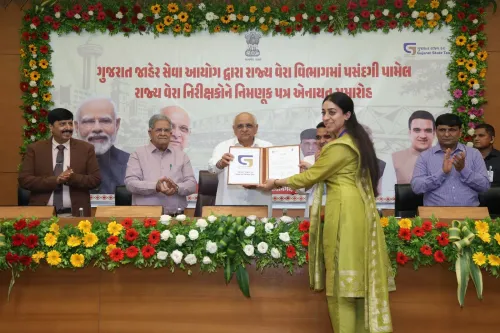
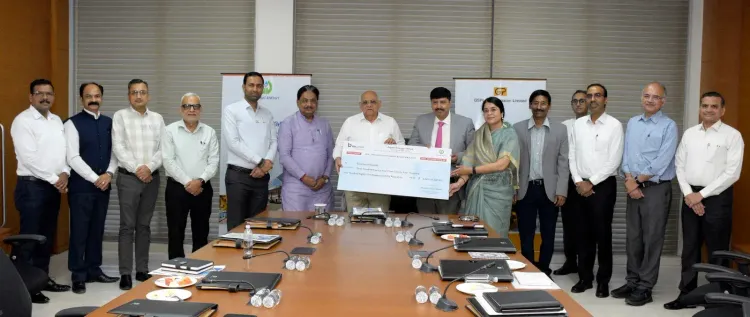
CM Bhupendra Patel received the cheques in Gandhinagar on October 14, 2026 .
The additional revenue is earmarked to support Gujarat's developmental and public welfare spending.
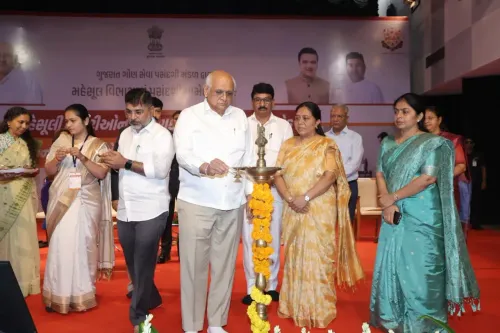
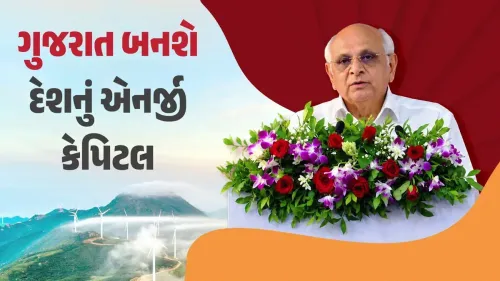
A single cheque ceremony in Gandhinagar on Wednesday, October 14, 2026 quietly rewrote Gujarat's public-sector dividend record — and the number behind it tells a striking story about what restructuring can do to a state's balance sheet. Gujarat Chief Minister Bhupendra Patel received dividend cheques totalling a record ₹384.67 crore for FY 2025-26 from two state-owned energy firms, marking the highest single-year dividend payout by any state-owned enterprise to the Gujarat government.
₹384.67 crore in one year — versus three years combined before it
The headline figure breaks down into ₹324 crore from Gujarat Energy Limited (GEL) and ₹60.67 crore from GSPL Transmission Limited (GTL). CM Patel framed the scale plainly: this single-year payout is 'almost four times the combined dividend received over the previous three years.' That four-times multiplier is the real news here. It suggests the restructuring unlocked value that had been sitting dormant inside Gujarat's energy PSU structure for years.
How the 'Scheme of Arrangement' shifted the equation
The engine behind the surge is a corporate restructuring called the 'Scheme of Arrangement' — a reorganisation that raised the state government's direct shareholding to approximately 38% in both GEL and GTL. A larger equity stake means a proportionally larger share of any dividend declared. The logic is straightforward: the state was sitting on value it did not fully capture, the scheme corrected that, and the first full financial year under the new structure has delivered a record return.
Gujarat Energy Limited is the dominant contributor, accounting for roughly 84% of the total payout. GSPL Transmission Limited, focused on energy transmission infrastructure, contributed the remaining ₹60.67 crore. Both companies are central to Gujarat's electricity supply and transmission network, making their financial health a matter of direct public interest beyond just the exchequer.
What the revenue means for Gujarat's spending firepower
Higher dividend flows from restructured PSUs give a state government non-tax revenue it can deploy without raising levies on citizens. Gujarat has pursued this model deliberately — using optimised PSU shareholding as a tool to fund development and welfare spending. CM Patel noted the dividend 'will significantly boost the state's revenue and further accelerate ongoing developmental and public welfare initiatives,' though specific allocations were not announced at the event.
The pattern matters beyond Gujarat's borders. Several Indian states are watching how restructuring legacy energy PSUs can convert shareholding value into usable revenue. Gujarat's FY 2025-26 outcome now stands as one of the cleaner data points for that argument. The next test will be whether similar restructuring is extended to other Gujarat PSUs — and whether audited outcomes from the Scheme of Arrangement confirm the numbers announced today.
Point of View
The announcement arrives as a tangible fiscal win that validates the Scheme of Arrangement as policy, not just corporate housekeeping. It also fits a broader BJP-governed-state pattern of using PSU optimisation to demonstrate fiscal prudence while maintaining development spending. The key variable to watch is whether the restructuring's full-year audited numbers hold up, and whether the state extends the same playbook to its other PSU clusters.
NationPress
14 Oct 2026
Frequently Asked Questions
What is the record dividend Gujarat received from its energy PSUs in FY 2025-26?
Gujarat received a record ₹384.67 crore in dividends for FY 2025-26 — ₹324 crore from Gujarat Energy Limited and ₹60.67 crore from GSPL Transmission Limited — the highest ever single-year payout by a state PSU to the Gujarat government.
What is the Scheme of Arrangement that boosted Gujarat's energy PSU dividends?
The Scheme of Arrangement is a corporate restructuring that increased the Gujarat state government's direct shareholding to approximately 38% in both GEL and GTL, entitling it to a proportionally higher share of dividends declared by the two companies.
How does the FY 2025-26 dividend compare to previous years?
CM Bhupendra Patel stated that the FY 2025-26 payout of ₹384.67 crore is 'almost four times the combined dividend received over the previous three years,' underscoring a sharp acceleration in returns.
What is Gujarat Energy Limited (GEL)?
Gujarat Energy Limited (GEL) is a state-owned enterprise in Gujarat's energy sector and the dominant contributor in this dividend event, paying ₹324 crore — roughly 84% of the total payout to the state.
How will the dividend revenue be used by the Gujarat government?
CM Patel indicated the funds will 'significantly boost the state's revenue and further accelerate ongoing developmental and public welfare initiatives,' though no specific scheme allocations were announced at the event.