CM Bhupendra Patel Reviews Ahmedabad Flood Relief After Site Visit
Synopsis
Chief Minister Bhupendra Patel visited waterlogged areas of Bopal, Ambli, and Ghuma in Ahmedabad on 24 July 2026, then chaired a high-level review with AMC and police officials, ordering war-footing relief operations and prioritising post-rain sanitation across affected localities.
Key Takeaways
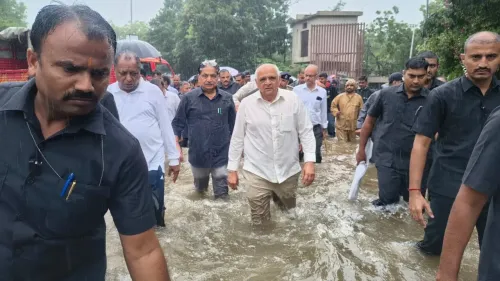
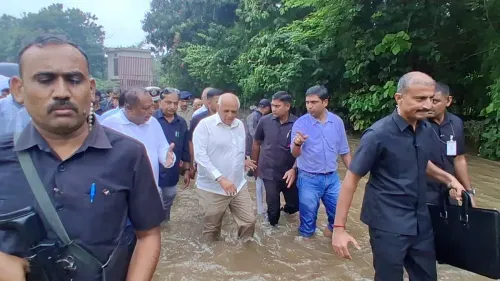
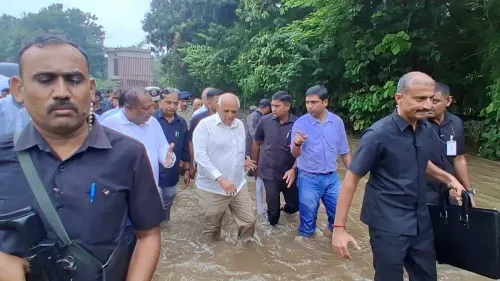
CM Bhupendra Patel personally visited rain-hit Bopal, Ambli, and Ghuma in Ahmedabad on 24 July 2026 .
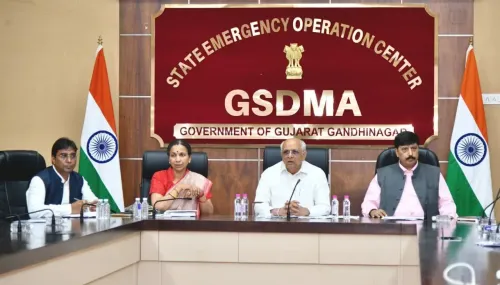
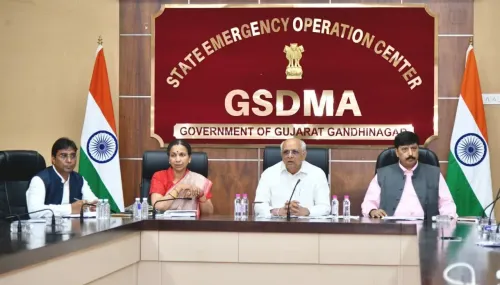
A high-level review meeting was held with senior officials of the Ahmedabad Municipal Corporation and city police in the presence of Minister Rishikeshbhai Patel .
The Chief Minister directed agencies to tackle waterlogging on a 'war footing' and speed up relief operations.
Officials were specifically instructed to prioritise sanitation and public health work in affected areas after the rains.
Ahmedabad suburbs such as Bopal, Ambli, and Ghuma have a recurring history of monsoon waterlogging despite AMRUT-funded drainage upgrades.
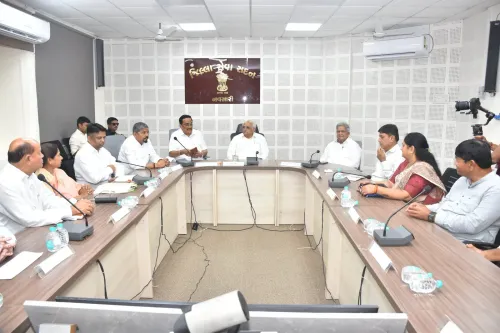
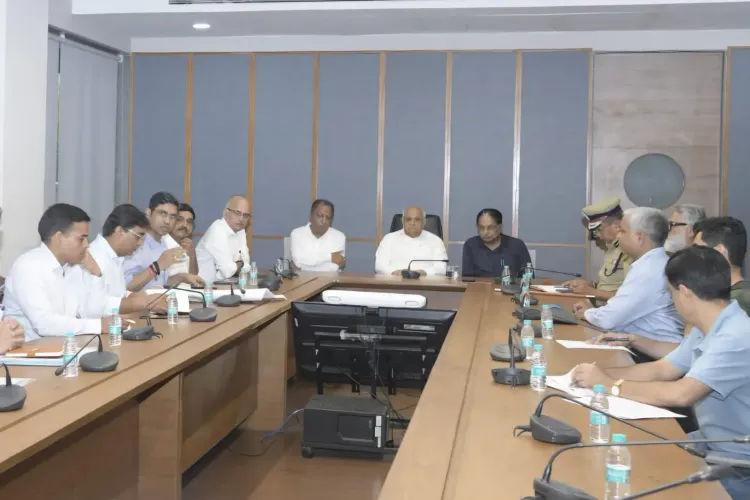
Chief Minister Bhupendra Patel on Friday, 24 July 2026 visited rain-hit localities of Bopal, Ambli, and Ghuma in Ahmedabad before chairing a high-level review meeting with senior officials of the Ahmedabad Municipal Corporation (AMC), police, and other departments to assess waterlogging and accelerate relief operations. The meeting was held in the presence of Minister Rishikeshbhai Patel.
Context
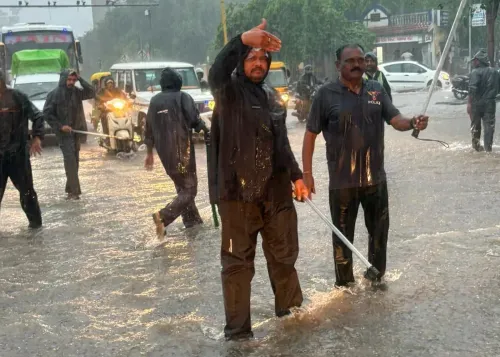
Heavy monsoon rains lashed Ahmedabad, causing severe waterlogging in several suburban pockets. CM Bhupendra Patel personally surveyed the affected areas — Bopal, Ambli, and Ghuma — before convening the review to get a first-hand picture of the situation on the ground.
According to the Chief Minister's Office post, the Chief Minister 'યુદ્ધના ધોરણે કામગીરી હાથ ધરવા' ('directed that work be taken up on a war footing') to resolve waterlogging and ease the hardship being faced by residents across the city's various localities.
Policy Backdrop
Ahmedabad is among the cities covered under the AMRUT (Atal Mission for Rejuvenation and Urban Transformation) scheme, launched in 2015, which includes upgrades to stormwater drainage infrastructure. Despite these investments, low-lying suburban areas such as Bopal, Ambli, and Ghuma have remained vulnerable to seasonal waterlogging.
The Gujarat government has convened similar chief-ministerial review meetings following heavy urban rains in 2022 and 2023, reflecting an established state protocol of direct executive intervention during monsoon flooding events in major cities.
Stakeholders and Impact
Residents of the affected Ahmedabad suburbs face disrupted mobility, property damage, and health risks in the aftermath of the downpour. The Ahmedabad Municipal Corporation and city police are the primary agencies tasked with drainage clearance, debris removal, and maintaining public order during the relief phase.
CM Bhupendra Patel specifically directed officials to prioritise sanitation and public health measures in the affected areas after the rains, signalling concern about post-flood disease risk — a recurring challenge in densely populated urban neighbourhoods.
What's Next
Officials are expected to fast-track emergency drainage works and launch sanitation drives across the waterlogged localities in the coming days. Progress on these operations, along with any follow-up directives from the AMC or the state government regarding infrastructure repair or budget allocations, will be closely watched.
With the monsoon season still active, Ahmedabad's civic agencies face continued pressure to improve drainage response times and ensure that relief reaches residents without delay.
Point of View
But the recurring nature of waterlogging in Bopal and Ambli raises questions about the long-term effectiveness of drainage investments under AMRUT. The explicit emphasis on post-rain sanitation suggests the administration is alert to secondary health risks, which have historically complicated urban flood recovery in Gujarat. How quickly AMC translates these instructions into measurable relief will shape public perception of the state's monsoon preparedness.
NationPress
24 Jul 2026
Frequently Asked Questions
Which areas of Ahmedabad were flooded due to heavy rain in July 2026?
Bopal, Ambli, and Ghuma were among the Ahmedabad localities severely affected by waterlogging following heavy monsoon rains, as visited by CM Bhupendra Patel on 24 July 2026.
What did CM Bhupendra Patel do after the Ahmedabad floods?
CM Bhupendra Patel personally visited the flood-hit areas of Bopal, Ambli, and Ghuma, then chaired a high-level review meeting with Ahmedabad Municipal Corporation and police officials, ordering war-footing relief and sanitation operations.
Who attended the flood review meeting in Ahmedabad on 24 July 2026?
The meeting was attended by senior officials of the Ahmedabad Municipal Corporation, city police, and other departments, and was held in the presence of Gujarat Minister Rishikeshbhai Patel.
Why do Bopal and Ambli in Ahmedabad flood every monsoon?
Bopal, Ambli, and Ghuma are low-lying Ahmedabad suburbs with historically inadequate stormwater drainage. Although AMRUT-funded upgrades have been underway since 2015, these areas remain vulnerable to seasonal waterlogging during heavy rainfall.
What instructions did CM Patel give for Ahmedabad flood relief?
CM Bhupendra Patel directed officials to address waterlogging on a war footing, accelerate relief operations, and prioritise sanitation and public health measures in affected areas to prevent post-flood disease outbreaks.