CM Bhupendra Patel Reviews Flood Situation at Gujarat SEOC
Synopsis
Chief Minister Bhupendra Patel chaired a flood review meeting at Gujarat's SEOC in Gandhinagar on 24 July, directing high-alert status for Central, North Gujarat, Ahmedabad and Surendranagar amid a 3-to-4-day heavy rainfall forecast, and ordering a post-flood sanitation campaign to prevent epidemics.
Key Takeaways
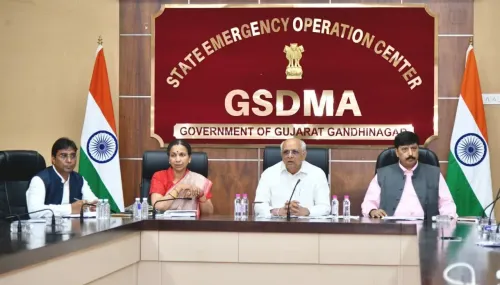
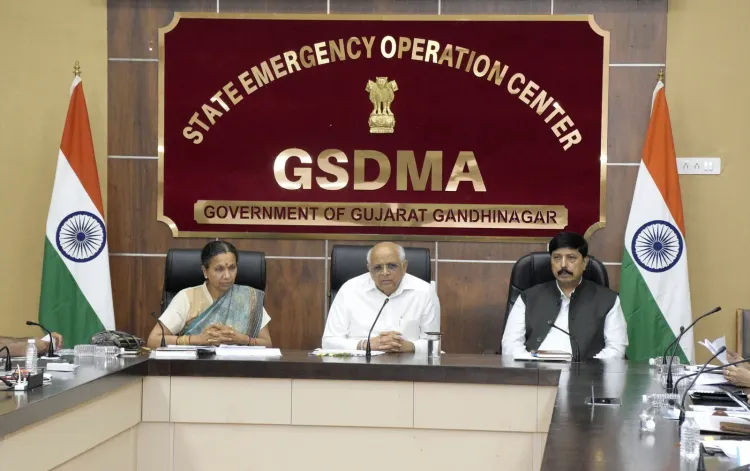
CM Bhupendra Patel held a high-level review at the State Emergency Operation Centre (SEOC), Gandhinagar on 24 July 2026 .
Heavy rainfall in South Gujarat and Central Gujarat prompted the emergency inter-departmental review.
District collectors in Central Gujarat , North Gujarat , Ahmedabad , and Surendranagar were placed on high-alert mode .
The Meteorological Department has forecast widespread heavy rainfall in these regions for the next 3 to 4 days .
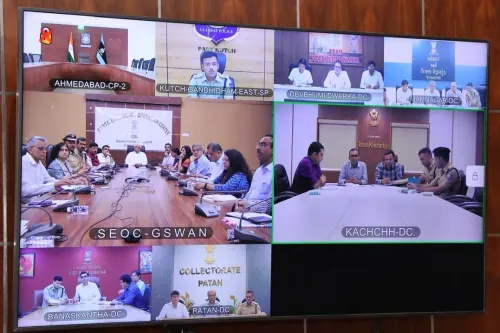
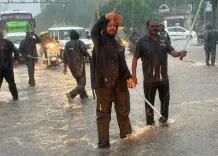
Restoration of electricity, roads, and essential supplies is being monitored by departmental secretaries directly briefing the Chief Minister.
A comprehensive post-flood sanitation campaign in 'campaign mode' has been ordered for all affected areas to prevent epidemics once floodwaters recede.
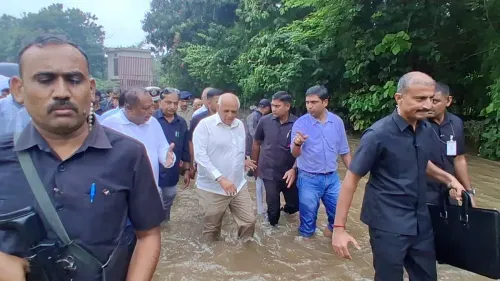
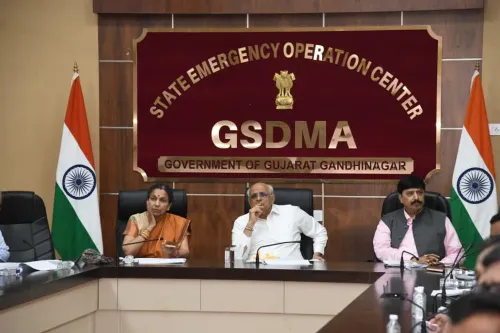
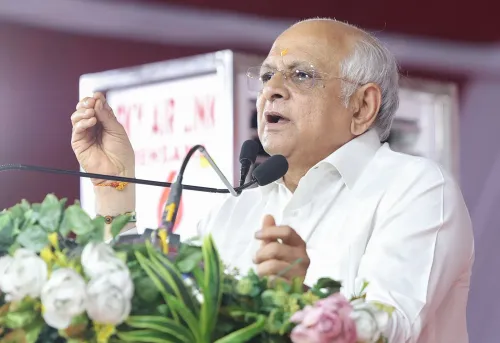
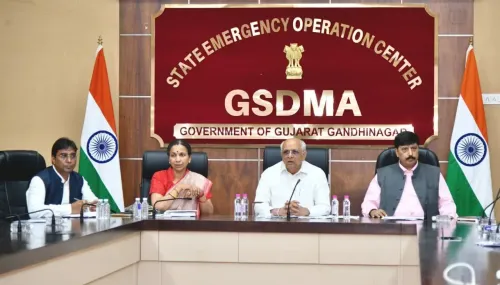
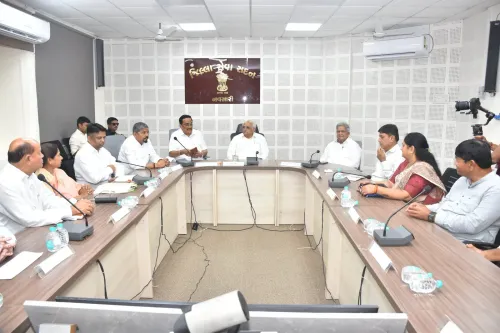
The Chief Minister's Office of Gujarat announced on Friday, 24 July 2026 that Chief Minister Bhupendra Patel chaired a high-level review meeting at the State Emergency Operation Centre (SEOC) in Gandhinagar, assessing the flood situation caused by heavy rainfall across South Gujarat and Central Gujarat.
The Chief Minister met with senior officials and secretaries from relevant departments to get a detailed briefing on the current rainfall situation, ongoing rescue and relief operations, and the restoration of essential infrastructure including electricity, roads, and supply chains.
Context
Heavy and widespread rainfall across South and Central Gujarat triggered the emergency review. CM Patel directed district collectors and administrative machinery in Central Gujarat, North Gujarat, Ahmedabad, and Surendranagar to remain on high-alert mode in response to the Meteorological Department's forecast of continued heavy rainfall across these regions for the next 3 to 4 days.
The Chief Minister also ordered a comprehensive sanitation campaign to be launched in campaign mode across all affected areas once floodwaters recede, specifically to prevent the outbreak of post-flood epidemics.
Policy Backdrop
The State Emergency Operation Centre (SEOC) in Gandhinagar functions as Gujarat's central hub for coordinating multi-departmental disaster response during natural calamities. Under the Disaster Management Act, 2005, Gujarat operationalised the State Disaster Management Authority to institutionalise exactly this kind of inter-departmental review and alert mechanism during heavy rainfall events.
Gujarat governments have maintained a consistent pattern of activating the SEOC and issuing collector-level alerts as standard monsoon-season procedure to address flooding, power outages, and road disruptions. Post-flood sanitation drives are a routine part of this integrated disaster management approach.
Stakeholders and Impact
Flood-affected residents across South Gujarat and Central Gujarat are the primary stakeholders, with disruptions to electricity, road connectivity, and essential supplies being the immediate concerns. District administrations in Ahmedabad, Surendranagar, and districts across North Gujarat and Central Gujarat have been placed on high alert ahead of the forecast rainfall.
Infrastructure departments responsible for power restoration and road repair were among those that briefed the Chief Minister at the SEOC, signalling that restoration of essential services is a priority alongside active rescue and relief work.
What's Next
The immediate focus will be on maintaining high-alert protocols in Central Gujarat, North Gujarat, Ahmedabad, and Surendranagar through the 3-to-4-day heavy rainfall window forecast by the Meteorological Department. Once floodwaters recede, the execution of the post-flood sanitation campaign in 'campaign mode' will be the critical next step to prevent disease outbreaks in affected communities.
The effectiveness of inter-departmental coordination and the speed of infrastructure restoration across affected districts will determine how swiftly normalcy returns to flood-hit regions of Gujarat this monsoon season.
Point of View
The government is attempting to demonstrate both pre-emptive and reactive competence. This dual-track approach — infrastructure restoration alongside epidemic prevention — reflects the broader federal push for integrated disaster management that has shaped state-level protocols since the Disaster Management Act of 2005. The political calculus is clear: visible executive engagement during natural disasters has long been a reputational priority for Gujarat's administration.
NationPress
24 Jul 2026
Frequently Asked Questions
Why did CM Bhupendra Patel visit the SEOC in Gandhinagar?
CM Bhupendra Patel visited the State Emergency Operation Centre (SEOC) in Gandhinagar on 24 July 2026 to chair a high-level review of the flood situation caused by heavy rainfall across South and Central Gujarat, receiving briefings from senior officials and departmental secretaries on rescue, relief, and infrastructure restoration.
Which districts in Gujarat are on high alert due to heavy rainfall?
Districts in Central Gujarat, North Gujarat, Ahmedabad, and Surendranagar have been placed on high-alert mode following a Meteorological Department forecast of widespread heavy rainfall in these areas for the next 3 to 4 days.
What is the State Emergency Operation Centre (SEOC) in Gujarat?
The SEOC in Gandhinagar is Gujarat's central coordination hub for monitoring and managing disaster response, including rescue operations, relief distribution, and infrastructure restoration during natural calamities such as floods.
What post-flood measures has the Gujarat government ordered?
CM Patel has ordered a comprehensive sanitation campaign to be conducted in 'campaign mode' across all flood-affected areas once floodwaters recede, aimed at preventing the outbreak of post-flood epidemics.
What infrastructure is being restored in flood-hit areas of Gujarat?
Electricity supply, road connectivity, and essential commodity supply chains are the primary infrastructure areas being monitored and restored in flood-affected regions of Gujarat, with departmental secretaries directly briefing the Chief Minister on progress.