Bangladesh Hindus under siege: Islamist rise, temple attacks, and a shrinking minority
Synopsis
Bangladesh's Hindu minority has faced more than 3,200 documented incidents of violence since August 2024 — from the lynching of a Hindu police officer to the demolition of a 500-year-old temple. As Jamaat-e-Islami pushes for Sharia-aligned constitutional reform and the Ram statue in Gaibandha is halted under Islamist pressure, the secular foundations of the 1971 republic are under the most serious strain in decades.
Key Takeaways
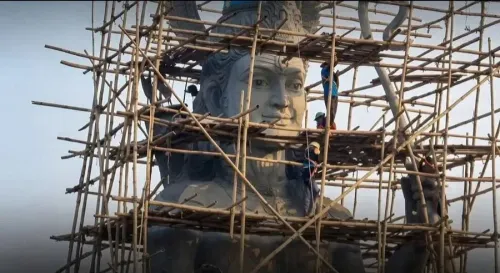
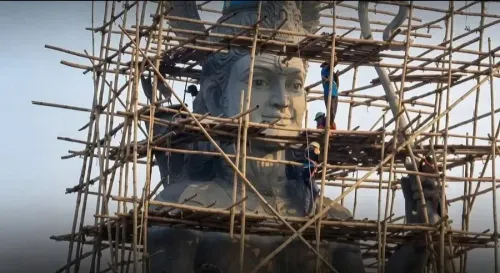
An 82-foot Ram statue in Palashbari, Gaibandha was suspended at nearly 80% completion , reportedly after pressure from Islamist groups, according to JusticeMakers Bangladesh in France .
The Bangladesh Hindu Buddhist Christian Unity Council recorded over 3,200 incidents of violence against Hindus between August 2024 and June 2026 , including 15–20 temples attacked.
Bangladesh's Hindu population has fallen from 22.8% at Partition in 1947 to approximately 7.3% today.
Jamaat-e-Islami has been rehabilitated in the political mainstream under interim leader Muhammad Yunus and is pushing for Sharia-based constitutional reforms via the July Charter .
Amnesty International and Human Rights Watch have both called on the interim government to investigate and prosecute perpetrators of minority violence.
The most recent major incident is the demolition of a 500-year-old temple in Noakhali .
Bangladesh's Hindu minority is facing an accelerating crisis of security and belonging, as a wave of communal violence, institutional marginalisation, and growing Islamist political influence reshapes the country's social fabric — raising urgent questions about the durability of the secular ideals enshrined in its 1971 Liberation War Constitution.
The Ram Statue Suspension and What It Signals
The halting of an 82-foot Lord Ram statue at a temple complex in Palashbari, Gaibandha, has become a flashpoint for the Hindu community's deepening anxieties. The statue, part of a complex being built alongside the historic Sri Radha Govinda Temple and Kali Temple, was reportedly nearly 80 per cent complete before authorities suspended the project. According to JusticeMakers Bangladesh in France (JMBF), the suspension followed pressure from Islamist groups and threats of communal unrest. In connection with the project, Haridas Chandra Tarani Das was arrested and sentenced to one year in jail on what JMBF has described as false money-laundering allegations.
The episode, critics argue, is not merely a dispute over a religious monument — it is a symptom of the shrinking political space available to Bangladeshi Hindus. At the time of Partition in 1947, Hindus constituted more than 22.8 per cent of Bangladesh's population; that figure has declined to approximately 7.3 per cent today.
Violence Since August 2024: The Scale of the Crisis
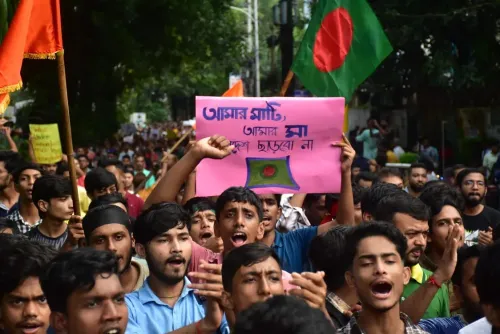
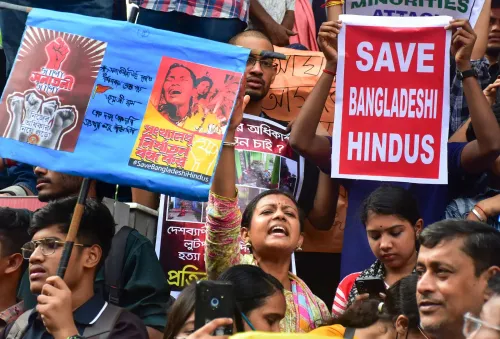
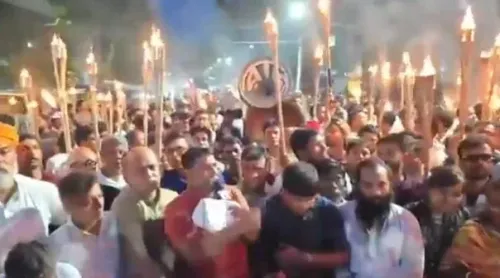
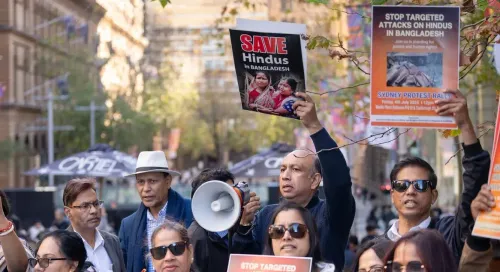
The political transition that followed the ouster of former Prime Minister Sheikh Hasina in August 2024 has coincided with a sharp deterioration in minority security. The Bangladesh Hindu Buddhist Christian Unity Council has reported more than 3,200 incidents of violence against Hindus between August 2024 and June 2026, including 200–300 homes and businesses attacked or destroyed and 15–20 temples vandalised or demolished. The most recent case on record is the demolition of a 500-year-old temple in Noakhali.
Individual incidents paint a grim picture. Sub-Inspector Santosh Chowdhury, a Hindu police officer, was lynched by a mob during an attack on Baniachong Police Station in Habiganj in August 2024, when protesters also burnt the station. In May 2025, a Goddess Kali temple was set ablaze in an arson attack in the Hindu-majority Ghuna-Sadarpara area of Manikganj. These incidents follow the pattern of communal targeting that also marked the 2021 Durga Puja attacks under the previous political order.
International Rights Bodies Sound the Alarm
Amnesty International has called on the interim government to conduct 'swift, thorough, impartial and independent investigations' into crimes against Hindu, Ahmadi, and other minority communities, and to prosecute those responsible through fair trials while ensuring justice, reparations, and guarantees of non-recurrence. Human Rights Watch (HRW) has similarly urged authorities to protect minorities and uphold human rights commitments in the wake of the violence.
This comes amid what many observers describe as a perceived culture of impunity, with sections of the Hindu minority increasingly convinced that extremist elements are operating with greater confidence than at any prior point in recent history.
Jamaat-e-Islami's Political Rehabilitation
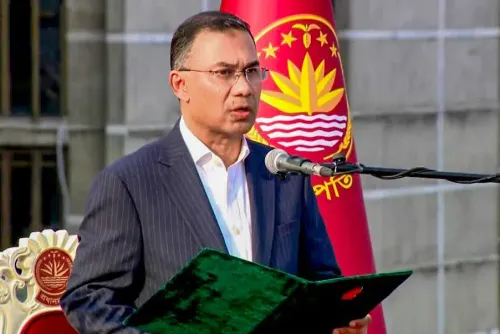
Jamaat-e-Islami, a party with a contested legacy rooted in its alignment with Pakistan during the 1971 war, has been steadily rehabilitated within Bangladesh's political mainstream under the interim administration led by Muhammad Yunus. Jamaat Ameer Shafiqur Rahman — widely described by critics as a Pakistani agent — reportedly held regular political consultations with Yunus following Hasina's departure. The party's Nayeb-e-Ameer Syed Abdullah Mohammad Taher has also been publicly active in advocating closer Bangladesh–Pakistan ties.
Jamaat has repeatedly demanded constitutional reforms that would make the Quran and Sunnah primary bases of legislation, explicitly oppose secularism, and strengthen Allah's role in governance. Its push for implementation of the so-called July Charter — a proposed constitutional overhaul — has alarmed minority groups who fear its adoption would further erode their constitutional protections. The party has also advocated deeper cooperation with Islamabad in trade, education, diplomacy, and cultural exchanges, arguing that historical grievances should not impede present-day bilateral relations.
Reports from the interim period also indicate a high surge in religious conversions — both voluntary and reportedly coerced — among minority communities.
The Larger Question: What Kind of State Is Bangladesh Becoming?
Bangladesh was founded on the ideals of linguistic identity, democratic pluralism, and equal citizenship regardless of faith. The incremental erosion of those ideals — through institutional decisions, demographic pressures, and the political mainstreaming of religious nationalism — has placed the country at a pivotal crossroads. Whether a Hindu family can celebrate Durga Puja without fear, whether ancient temples can stand without threat of demolition, and whether every citizen can exercise constitutional rights without intimidation will ultimately define the character of the Bangladeshi state far more than electoral cycles or GDP figures. The trajectory, as things stand, remains deeply uncertain.
Point of View
A party that backed Pakistan in 1971, into the political mainstream under an interim government that lacks an electoral mandate is not a minor footnote — it is a foundational shift. What makes the current moment different from earlier cycles of communal tension is the convergence of three pressures at once: a power vacuum at the top, an organised Islamist push for constitutional change, and the near-total absence of the political counterweight that Hasina, whatever her democratic failings, provided to minority communities. International calls for investigations are necessary but insufficient; without domestic institutional will, they will not move the needle.
NationPress
24 Jul 2026
Frequently Asked Questions
Why was the Ram statue project in Gaibandha suspended?
The 82-foot Lord Ram statue at a temple complex in Palashbari, Gaibandha, was suspended when it was reportedly nearly 80 per cent complete. According to JusticeMakers Bangladesh in France, the suspension followed pressure from Islamist groups and threats of communal unrest. Haridas Chandra Tarani Das, associated with the project, was arrested and sentenced to one year in jail on money-laundering charges that JMBF has described as false.
How many attacks on Hindus have occurred in Bangladesh since 2024?
The Bangladesh Hindu Buddhist Christian Unity Council has documented over 3,200 incidents of violence against Hindus between August 2024 and June 2026. These include 200–300 homes and businesses destroyed and 15–20 temples attacked or vandalised. The most recent major incident is the demolition of a 500-year-old temple in Noakhali.
What role is Jamaat-e-Islami playing in Bangladesh's political shift?
Jamaat-e-Islami has been progressively rehabilitated within Bangladesh's political mainstream following the ouster of Sheikh Hasina in August 2024. The party, which advocates making the Quran and Sunnah the primary basis of legislation, has pushed for constitutional reforms through the July Charter that would explicitly embed Islamic principles in governance. Jamaat Ameer Shafiqur Rahman reportedly held regular consultations with interim leader Muhammad Yunus after Hasina's departure.
What have international human rights organisations said about minority violence in Bangladesh?
Amnesty International has called on the interim government to conduct 'swift, thorough, impartial and independent investigations' into crimes against Hindu, Ahmadi, and other minority communities, and to ensure justice, reparations, and non-recurrence. Human Rights Watch has similarly urged authorities to protect minorities and uphold human rights obligations.
How has Bangladesh's Hindu population changed since 1947?
At the time of Partition in 1947, Hindus constituted more than 22.8 per cent of what is now Bangladesh's population. That share has declined to approximately 7.3 per cent today — a demographic collapse that has coincided with recurring episodes of communal violence, emigration, and political marginalisation over more than seven decades.