Bangladesh extremism report: Digital platforms fuelling radical narratives
Synopsis
Bangladesh's extremism problem has gone digital — and the consequences are real. From the online mobilisation that followed the killing of Osman Hadi to the suspension of an 81-foot Ram statue under Islamist pressure, a new Daily Sun report maps how radical narratives are reshaping public life, threatening minority rights, and putting press freedom at risk, even as PM Tarique Rahman vows zero tolerance.
Key Takeaways
Bangladesh faces rising extremist narratives spread via social media, according to a Daily Sun report published in July 2025 .
PM Tarique Rahman declared 'zero tolerance' on extremism before Jatiya Sangsad on 15 July 2025 .
Online mobilisation after the December 2025 killing of Osman Hadi reportedly contributed to attacks on a diplomatic mission, cultural institutions, and media organisations.
Construction of an 81-foot Ram statue at a temple in Gaibandha district was suspended on 12 June 2025 under pressure from Islamist extremist groups.
JMBF condemned the suspension as a violation of religious freedom and minority rights under the UDHR and ICCPR .
Some Bangladeshi media outlets reportedly resorted to self-censorship over the statue incident, raising press freedom concerns.
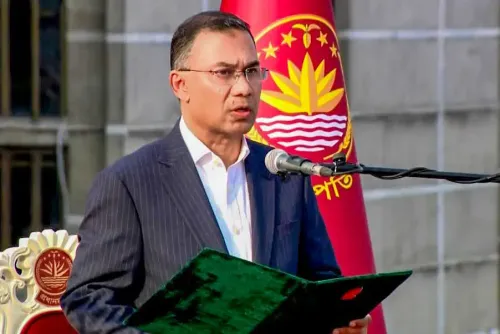
Bangladesh is confronting a deepening challenge from extremist narratives spreading through digital platforms, according to a report by the Dhaka-based Daily Sun. The findings arrive days after Prime Minister Tarique Rahman declared a 'zero tolerance' policy on extremism and militancy before the Jatiya Sangsad on 15 July 2025, underscoring the scale of a problem that predates any single administration.
The Digital Dimension of Extremism
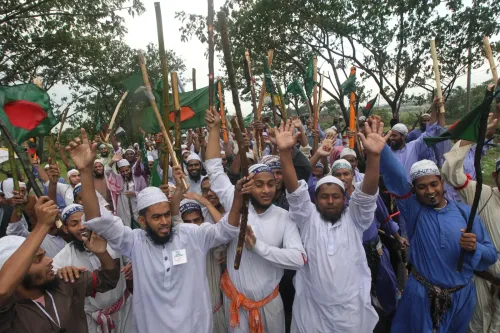
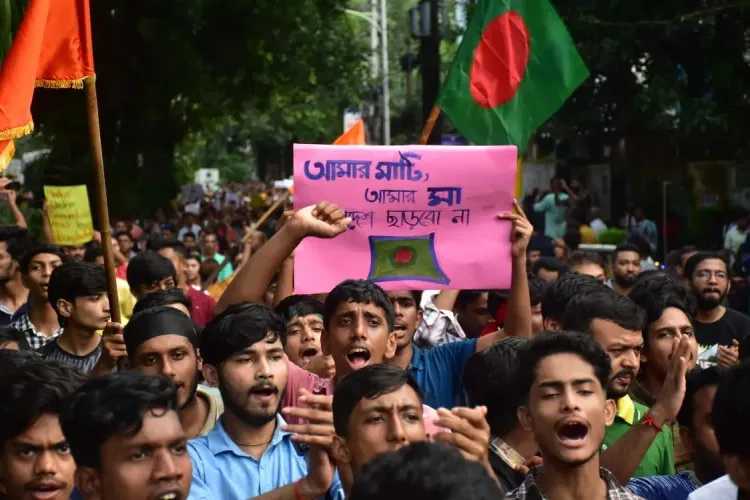
The report warns that extremist messaging in Bangladesh has migrated well beyond clandestine networks and physical organisational structures. Social media platforms now enable individuals and groups to rapidly circulate misinformation, inflammatory content, and conspiracy theories — sometimes converting online outrage into real-world mobilisation.
The consequences of this dynamic were on stark display following the December 2025 killing of Inquilab Mancha spokesperson Osman Hadi. Public anger over the incident was amplified through coordinated online activity, reportedly contributing to attacks and vandalism targeting a diplomatic mission, cultural institutions, and media organisations.
Cultural Institutions Under Pressure
Established cultural organisations — including Udichi and Chhayanaut, both regarded as custodians of Bangladesh's pluralistic heritage — have faced repeated hostility from groups seeking to narrow the space for cultural expression and open public debate. Critics argue this pressure represents a systematic effort to reshape the country's cultural identity along exclusionary lines.
Ram Statue Suspension Draws International Condemnation
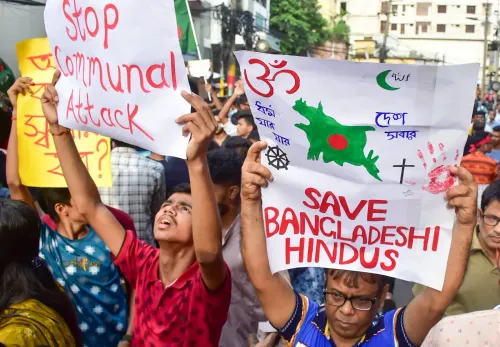
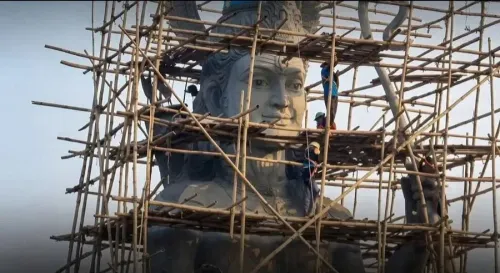
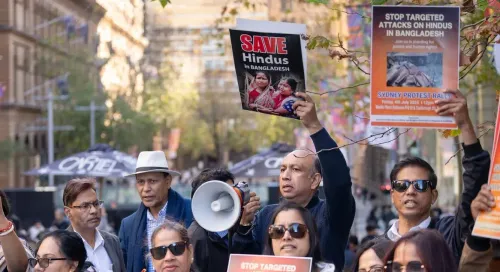
A particularly pointed example emerged in Gaibandha district, where the construction of an 81-foot-tall statue of Lord Ram at the Sri Sri Radha Govinda and Kali Temple was suspended in June 2025 under pressure from Islamist extremist groups. Justice Makers Bangladesh in France (JMBF), citing what it described as reliable sources, confirmed that the project was halted amid fears of mob violence and mounting concerns over the security of Bangladesh's Hindu minority community.
After the statue project became public in early June, local Islamist groups launched a series of protests, press conferences, and demonstrations, and submitted memoranda to the local administration opposing the construction. Temple authorities officially announced the suspension on 12 June 2025.
The JMBF condemned the suspension as 'a clear violation of the rights to freedom of religion, freedom of expression, and the security and rights of religious minorities as guaranteed by the Constitution of Bangladesh, the Universal Declaration of Human Rights (UDHR), and the International Covenant on Civil and Political Rights (ICCPR).'
Media Self-Censorship Raises Press Freedom Concerns
The rights body also flagged what it described as a troubling pattern of self-censorship among mainstream Bangladeshi media outlets. Fearing mob violence, extremist backlash, and risks to journalists' safety, some news organisations reportedly published only limited or incomplete coverage of the Ram statue incident. JMBF said this raises serious concerns about the public's right to information and freedom of the press.
Stability as an Economic Imperative
Beyond the political and human rights dimensions, the report situates the extremism challenge within Bangladesh's economic ambitions. For a country actively seeking sustained growth and foreign investment, public security and confidence in the rule of law are prerequisites — not optional extras. Investors weigh infrastructure, institutional strength, and market stability, and persistent extremist disruption risks undermining all three. The challenge, analysts note, extends well beyond any single government or political cycle.
Point of View
But declarations alone do not dismantle digital radicalisation ecosystems. The Ram statue episode in Gaibandha is telling: when extremist groups can halt a legitimate religious construction project through street pressure — and mainstream media self-censors the story out of fear — the state's writ is already being contested on multiple fronts. Bangladesh's foreign investment pitch rests on stability and rule of law; every incident that goes unchecked chips away at that pitch. The deeper risk is normalisation — when extremist pressure becomes the default mechanism for vetoing minority expression, the threshold for the next escalation drops.
NationPress
19 Oct 2026
Frequently Asked Questions
What is the extremism challenge Bangladesh faces according to the report?
Bangladesh faces a growing threat from extremist narratives spreading through social media platforms, which allow individuals and groups to rapidly circulate misinformation and inflammatory content, sometimes translating online anger into real-world violence. The Daily Sun report notes the challenge has expanded well beyond underground organisations into the digital sphere.
What did PM Tarique Rahman say about extremism?
Prime Minister Tarique Rahman declared a 'zero tolerance' policy towards extremism and militancy in a statement before the Jatiya Sangsad on 15 July 2025. However, analysts note the challenge predates his administration and extends beyond any single political period.
Why was the Ram statue construction suspended in Gaibandha?
The construction of an 81-foot statue of Lord Ram at the Sri Sri Radha Govinda and Kali Temple in Gaibandha district was suspended on 12 June 2025 after local Islamist extremist groups mounted protests, demonstrations, and submitted memoranda opposing the project. Temple authorities halted construction amid fears of mob violence and concerns over the safety of the Hindu minority community.
Who is Justice Makers Bangladesh in France (JMBF) and what did they say?
JMBF is an international human rights organisation focused on Bangladesh. It strongly condemned the suspension of the Ram statue project, calling it a clear violation of religious freedom, freedom of expression, and minority rights under the Bangladesh Constitution, the UDHR, and the ICCPR. It also raised concerns about self-censorship among Bangladeshi media outlets covering the incident.
How does extremism affect Bangladesh's economic prospects?
According to the report, sustained extremist disruption directly undermines Bangladesh's ability to attract foreign investment, as investors assess public security, institutional strength, and confidence in the rule of law alongside market opportunities. Stability is framed not merely as a political goal but as an economic prerequisite for the country's growth ambitions.