CM Bhupendra Patel Reviews Gujarat Flood Crisis, 40,500 Evacuated
Synopsis
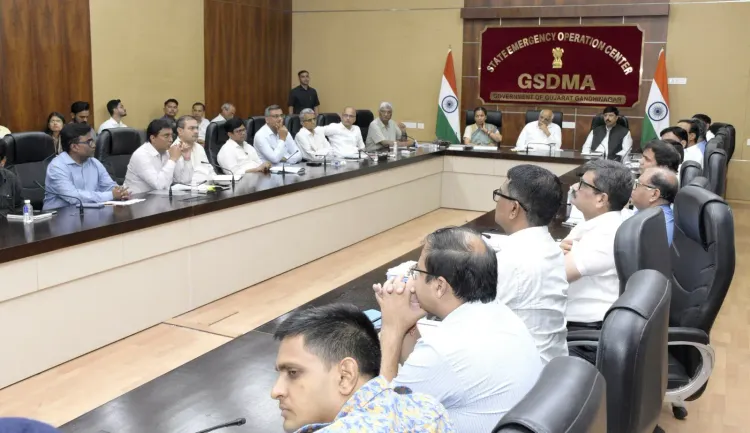
Gujarat CM Bhupendra Patel chaired a flood review at Gandhinagar's State Emergency Operation Centre on 24 July 2026. With five rain systems active, 40,500 people have been evacuated, over 6,000 rescued, and Rs 40 crore disbursed in relief as NDRF, SDRF, and Army teams remain deployed across affected districts.
Key Takeaways
40,500 citizens evacuated and more than 6,000 rescued across Gujarat as of 24 July 2026.
Five active rain systems are expected to bring widespread heavy rainfall to Central Gujarat, North Gujarat, Ahmedabad, and Surendranagar for the next three to four days.
District Collectors and administrations in high-alert zones have been ordered to remain on high-alert mode .
Rs 40 crore allocated in cash assistance and household goods support for flood-affected residents.
NDRF, SDRF, and Indian Army teams are operating alongside district administrations in rescue-and-relief efforts.
Authorities directed to launch a comprehensive sanitation campaign in all affected areas after floodwaters recede to prevent disease outbreaks.
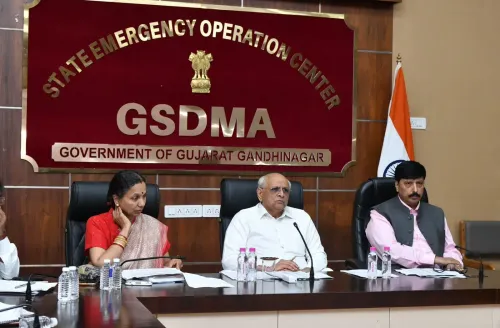
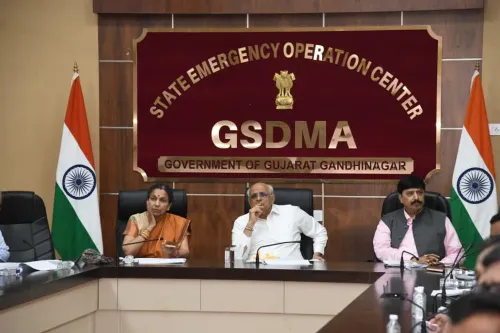
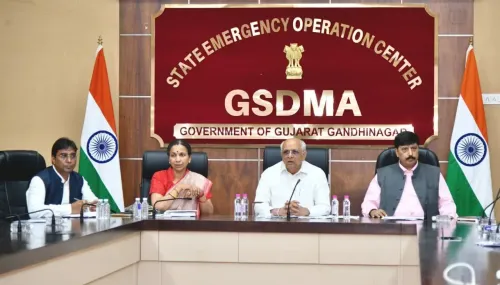
Gujarat Chief Minister Bhupendra Patel on Friday, 24 July 2026 chaired an emergency review at the State Emergency Operation Centre in Gandhinagar, assessing the flood situation triggered by heavy rainfall across South Gujarat and Central Gujarat, and issued directives to district administrations to remain on high alert for the next three to four days.
What Happened
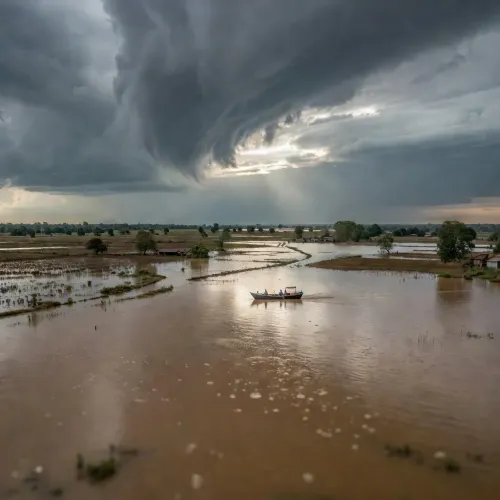
The Chief Minister convened the review as five active rain systems continued to batter the state. Patel directed officials to accelerate rescue-and-relief operations and to restore essential services — electricity, roads, and supply chains — in affected areas. District Collectors and administrative machinery across Central Gujarat, North Gujarat, Ahmedabad, and Surendranagar were placed on high-alert mode in anticipation of widespread heavy rainfall continuing over the coming days.
Scale of the Response
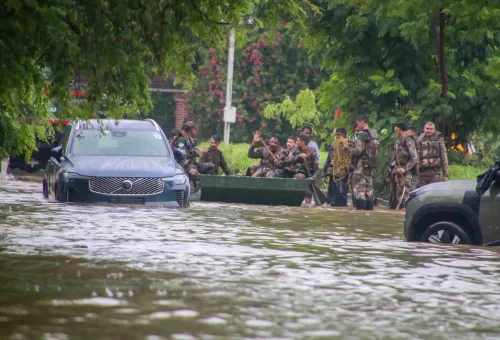
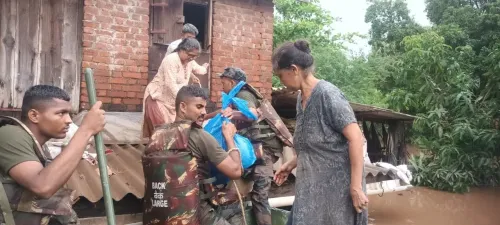
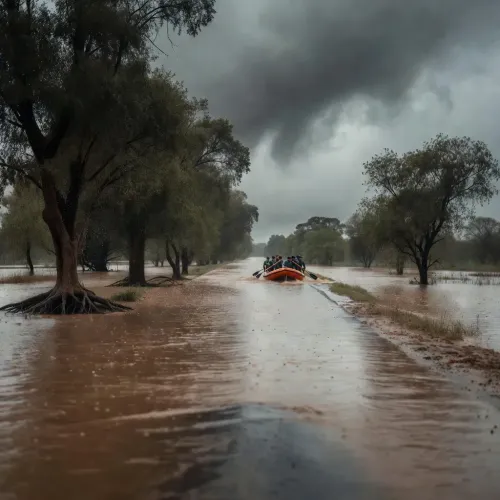
As of the review, 40,500 citizens had been evacuated from flood-hit zones across the state, while more than 6,000 people had been rescued and moved to safety. Teams from the National Disaster Response Force (NDRF), the State Disaster Response Force (SDRF), and the Indian Army are working alongside district administrations in ongoing rescue-and-relief operations. Repair teams have been deployed to restore damaged roads and electricity supply wherever disruptions have occurred.
Relief and Rehabilitation
With the immediate rescue phase winding down, the state government has shifted focus toward relief and rehabilitation. A total of Rs 40 crore has been allocated so far to flood-affected residents across the state in the form of cash assistance and household goods support. Patel also instructed authorities to launch a comprehensive sanitation campaign in all affected areas once floodwaters recede, to prevent the outbreak of waterborne diseases — a recurring public-health concern in the aftermath of monsoon flooding in Gujarat.
Policy Backdrop
Gujarat's multi-agency flood response framework draws on the National Disaster Management Act, 2005, which established the legal basis for state emergency operation centres and mandated coordination between NDRF, SDRF, and state administrations during natural disasters. The State Emergency Operation Centre in Gandhinagar serves as the nerve centre for real-time monitoring and command during such crises. Central and southern Gujarat districts have historically been among the most flood-prone in the state, and successive governments have followed a three-phase protocol: rescue, cash relief, and post-flood sanitation drives.
What's Next
With five rain systems still active over Gujarat, the immediate priority is preventing further casualties and infrastructure damage in the districts under high alert. District-level damage assessments are expected to follow once the weather stabilises, and the state may seek additional central assistance under NDRF norms depending on the final scale of destruction. The post-flood sanitation campaign will be critical in preventing disease outbreaks, particularly in low-lying talukas where stagnant water lingers after the monsoon surge.
Point of View
Not routine seasonal flooding. The simultaneous activation of five rain systems compresses the relief timeline, forcing the administration to run rescue, restoration, and rehabilitation tracks in parallel rather than sequentially. The Rs 40 crore cash allocation, announced mid-crisis, reflects a deliberate effort to demonstrate fiscal responsiveness ahead of the weather stabilising. How effectively the post-flood sanitation campaign is executed will ultimately determine whether the disaster leaves a lasting public-health footprint.
NationPress
24 Jul 2026
Frequently Asked Questions
How many people have been evacuated in the Gujarat floods 2026?
As of 24 July 2026, a total of 40,500 people have been evacuated from flood-affected areas across Gujarat, with more than 6,000 additionally rescued and moved to safety.
Which areas of Gujarat are on high alert for floods?
Central Gujarat, North Gujarat, Ahmedabad, and Surendranagar have been placed on high alert, with heavy rainfall expected to continue for three to four more days due to five active rain systems.
How much relief money has Gujarat announced for flood victims?
The Gujarat government has allocated Rs 40 crore in cash assistance and household goods support for residents affected by the floods and heavy rainfall.
Which agencies are involved in Gujarat flood rescue operations?
The National Disaster Response Force (NDRF) , the State Disaster Response Force (SDRF) , and the Indian Army are all deployed alongside district administrations for rescue-and-relief operations.
What is the Gujarat government doing to prevent disease after floods?
Chief Minister Bhupendra Patel has directed authorities to conduct a comprehensive sanitation campaign in all flood-affected areas once floodwaters recede, specifically to prevent the outbreak of waterborne diseases.