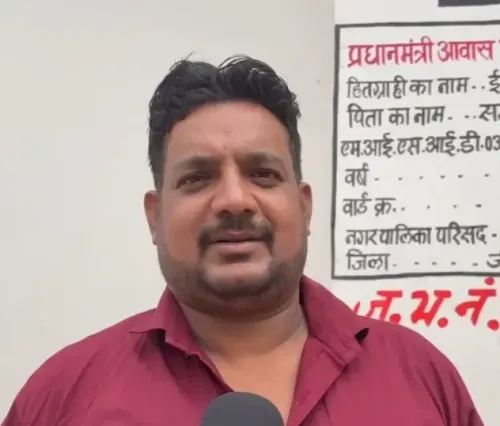
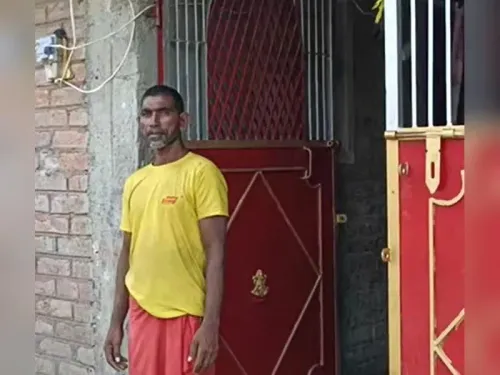
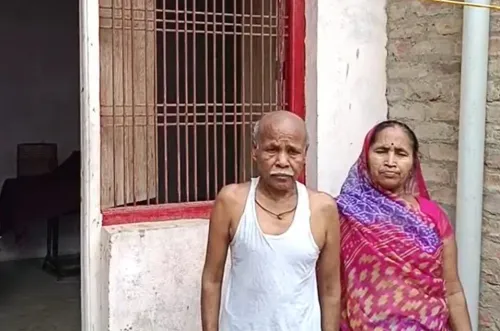
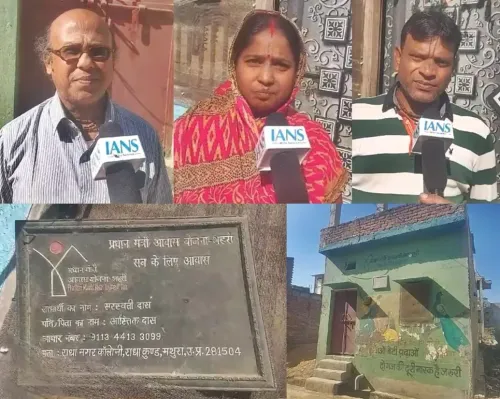
CM Bhupendra Patel shares PMAY beneficiary Rajubhai's story

Synopsis
Gujarat Chief Minister Bhupendra Patel highlighted beneficiary Rajubhai's journey from years of financial struggle to owning a permanent home under PM Modi's Pradhan Mantri Awas Yojana, framing it as the defining achievement of Modi's 25-year public service career.
Key Takeaways
Gujarat CM Bhupendra Patel shared a PMAY beneficiary story on September 24, 2026 , featuring a man named Rajubhai .
Rajubhai, previously unable to afford a permanent home due to financial hardship, now lives in a pucca house with his family after receiving assistance under Pradhan Mantri Awas Yojana .
PMAY was launched in June 2015 to provide permanent housing to eligible urban and rural families across India.
CM Patel linked the story to PM Modi's 25 years in public service , covering his tenure as Gujarat CM ( 2001–2014 ) and as Prime Minister ( 2014–present ).
The post is tagged under #SevaSankalAbhiyaan and #SevaKiKahani , part of a structured campaign documenting PMAY beneficiary stories.
A man named Rajubhai spent years dreaming of a pakku ghar — a solid, permanent home — but financial hardship kept that dream just out of reach. On Thursday, September 24, 2026, Gujarat Chief Minister Bhupendra Patel shared Rajubhai's journey on X, spotlighting how the Pradhan Mantri Awas Yojana (PMAY) turned that long-deferred dream into a reality.
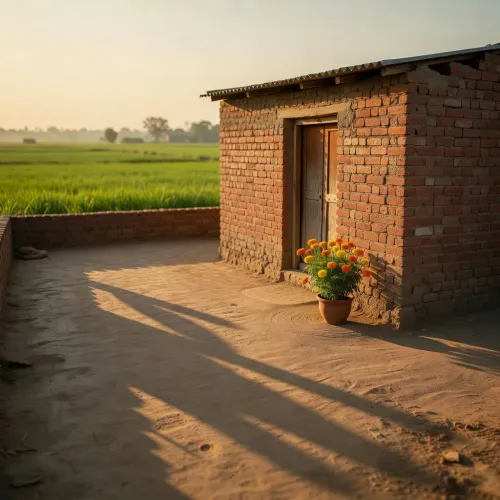
In the post, written in Gujarati, CM Patel describes how Rajubhai's words carry both the joy of finally owning a pukka house and the pain of years of struggle: 'રાજુભાઈના શબ્દોમાં પોતાના પાકા ઘરનું સપનું પૂરું થયાની ખુશી અને ભૂતકાળના સંઘર્ષની પીડા સ્પષ્ટ દેખાય છે' ('In Rajubhai's words, the happiness of a fulfilled dream and the pain of past struggles are both clearly visible'). Today, Rajubhai lives in that permanent home with his family, and expresses gratitude to Prime Minister Narendra Modi for the financial assistance.
PMAY's promise: from policy to a front door
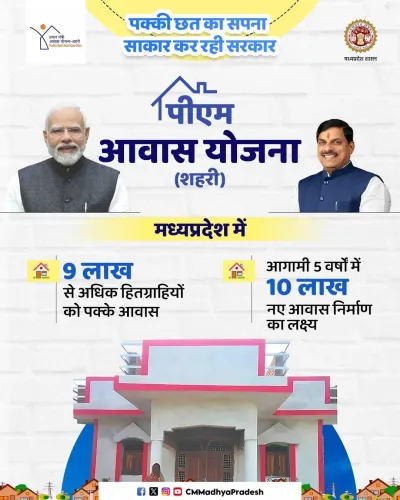
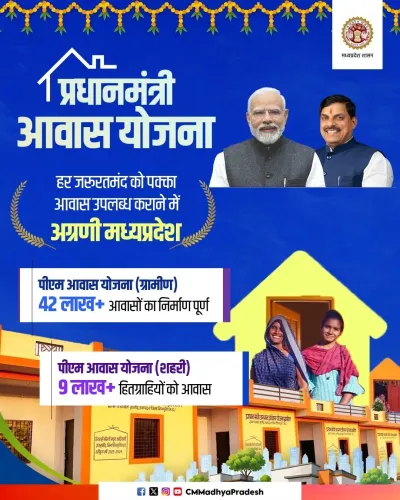
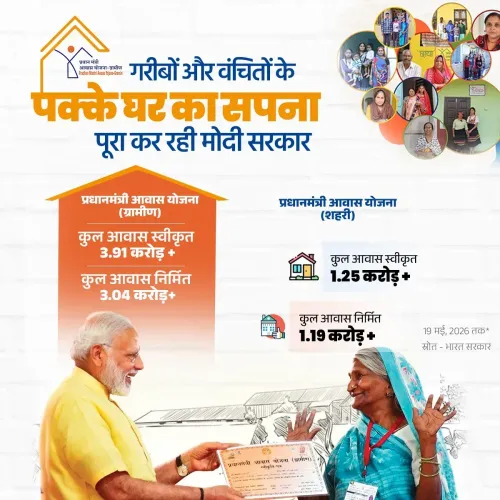
Launched in June 2015, the Pradhan Mantri Awas Yojana set out to provide pucca housing to eligible urban and rural families across India, with an original target of 'Housing for All by 2022' that was subsequently extended through additional phases. The scheme provides direct financial assistance to beneficiaries, bypassing intermediaries — exactly the mechanism Rajubhai's story illustrates. CM Patel frames PMAY as 'aashaanu kiran' — a ray of hope — for families whose economic constraints had made home ownership impossible.
Rajubhai as a symbol of 25 years of Modi's public service
The post is explicitly tied to a larger narrative: CM Patel calls the secure roof over the heads of 'lakhs of families like Rajubhai' the greatest achievement of Prime Minister Modi's 25 years in public service — a tenure that encompasses his 13 years as Chief Minister of Gujarat from 2001 to 2014 and his ongoing term as Prime Minister since 2014. The post carries the hashtags #SevaSankalAbhiyaan and #SevaKiKahani, indicating it is part of a structured campaign to document beneficiary stories linked to that milestone.
For BJP-governed states, this kind of ground-level storytelling is a deliberate communication strategy: it localises a central scheme into a human face, reinforcing direct-benefit delivery as a political identity. Rajubhai's story — one among millions enrolled under PMAY — becomes the emotional anchor of that argument. The question the campaign implicitly poses: how many more such stories are still waiting to be told?
Point of View
Making the abstract concrete and the political personal. The explicit framing around Modi's '25 years of service' signals this is not routine scheme promotion but a milestone-linked campaign with a defined political purpose. For BJP, connecting PMAY's delivery record to Modi's personal biography serves a dual function — validating the scheme's reach while reinforcing the Prime Minister's image as a long-term reformer. The use of structured hashtags suggests coordinated amplification across state units, a strategy that has become a hallmark of the party's digital outreach on welfare schemes.
NationPress
24 Sept 2026
Frequently Asked Questions
What is Pradhan Mantri Awas Yojana (PMAY)?
Pradhan Mantri Awas Yojana is a central government housing scheme launched in June 2015 to provide permanent, pucca houses to eligible urban and rural families in India, with direct financial assistance channelled to beneficiaries.
Who is Rajubhai mentioned in CM Bhupendra Patel's post?
Rajubhai is a PMAY beneficiary whose story was shared by Gujarat Chief Minister Bhupendra Patel on September 24, 2026. He reportedly struggled financially for years before receiving housing assistance under the scheme.
What is the SevaSankalAbhiyaan campaign?
SevaSankalAbhiyaan, referenced via the hashtag #SevaSankalAbhiyaan in CM Patel's post, appears to be a campaign documenting beneficiary stories linked to PM Modi's 25 years in public life, spanning his tenure as Gujarat CM and as Prime Minister.
How long has Narendra Modi been in public service?
As referenced in CM Patel's post, PM Narendra Modi has 25 years of public service — including approximately 13 years as Chief Minister of Gujarat from 2001 to 2014, followed by his ongoing tenure as Prime Minister of India since 2014.
What is the current status of PMAY in Gujarat?
PMAY continues to operate across urban and rural phases in Gujarat, with the state government regularly promoting beneficiary outcomes. Specific progress figures and beneficiary counts are tracked through central and state housing authority reports.