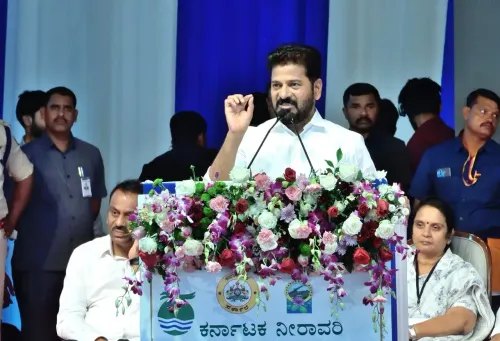
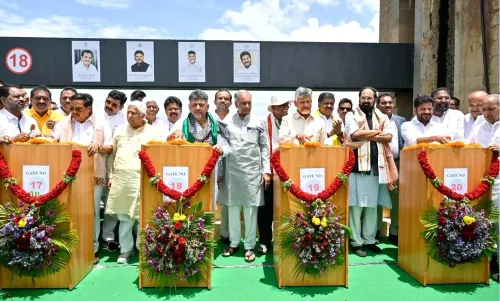
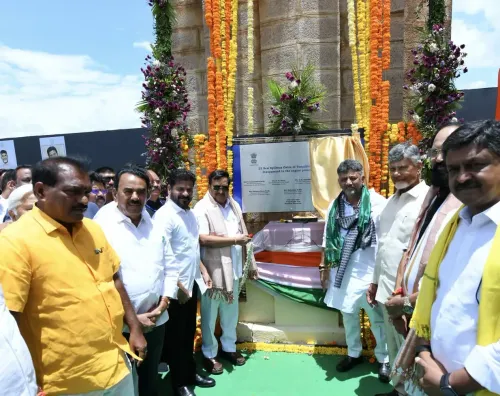
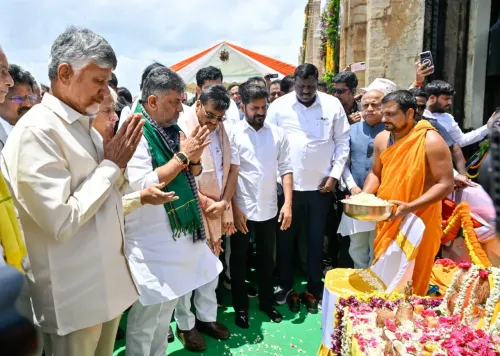
CM Chandrababu meets Union Minister, CMs of Telangana, Karnataka ahead of Tungabhadra gate launch
Synopsis
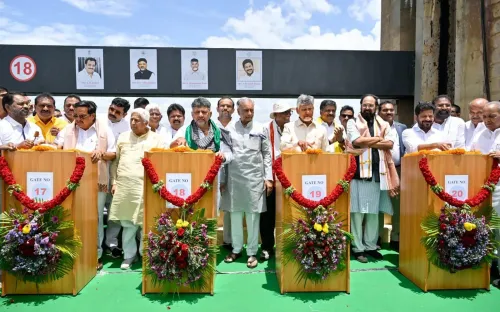
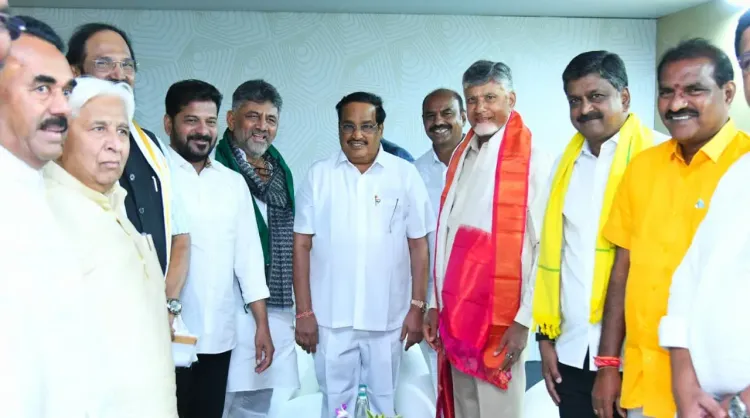
AP CM Chandrababu Naidu held a courtesy meeting with Union Minister C.R. Patil and the Chief Ministers of Telangana and Karnataka at Hospet on 25 June 2026, ahead of the inauguration of new gates at the jointly managed Tungabhadra Project — a key irrigation asset for three states.
Key Takeaways
AP CM Nara Chandrababu Naidu met Union Minister C.R.
Patil , Telangana CM A.
Revanth Reddy , and Karnataka CM D.K.
Shivakumar at the IRB Guest House, Hospet on 25 June 2026 .
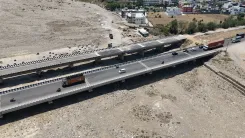
The meeting was held ahead of the inauguration of new gates at the Tungabhadra Project , a multipurpose dam built in the 1950s on the Tungabhadra river.
AP state ministers Payyavula Keshav and Nimmala Rama Naidu also participated in the meeting.
The Tungabhadra Board , constituted in 1953 , jointly manages the project among Andhra Pradesh, Telangana and Karnataka .
The project is critical for farmers in Rayalaseema , parts of Telangana , and northern Karnataka .
The participation of the Union Minister for Water Resources signals central government involvement in the infrastructure upgrade.
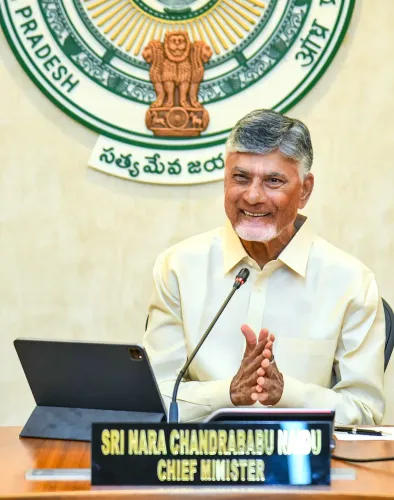
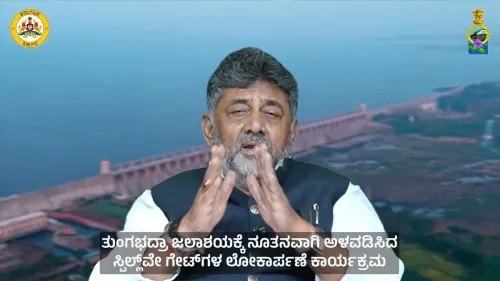
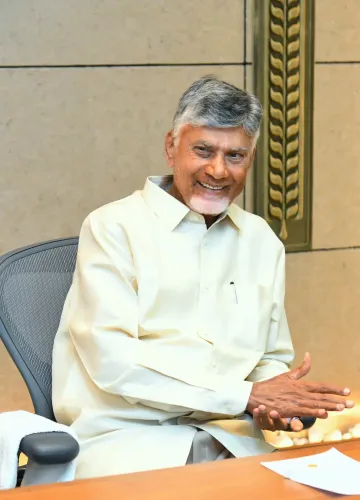
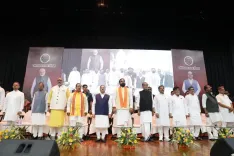
The Chief Minister's Office of Andhra Pradesh announced on Thursday, 25 June 2026 that Chief Minister Nara Chandrababu Naidu held a courtesy meeting with Union Minister C.R. Patil, Telangana Chief Minister A. Revanth Reddy, and Karnataka Chief Minister D.K. Shivakumar at the IRB Guest House in Hospet, ahead of the inauguration of new gates at the Tungabhadra Project. State ministers Payyavula Keshav and Nimmala Rama Naidu also attended the meeting.
Context
The meeting took place in Hospet, the Karnataka town that hosts the Tungabhadra dam, on the eve of the formal launch of newly installed gates at the project. The Chief Minister's Office described the gathering as a courtesy meeting (మర్యాదపూర్వకంగా భేటీ — 'a respectful meeting') among the four leaders. The presence of a Union Minister alongside three state chief ministers signals the significance the Centre attaches to the event.
The Tungabhadra Project is a major multipurpose dam and canal system built in the 1950s on the Tungabhadra river, jointly managed by Andhra Pradesh, Telangana and Karnataka through the Tungabhadra Board, which was constituted in 1953.
Policy Backdrop
The Andhra Pradesh Reorganisation Act of 2014 mandated continued joint management of Tungabhadra assets between the successor states of Andhra Pradesh and Telangana, alongside Karnataka. Since then, multiple tripartite meetings have addressed issues of siltation, gate repairs, and water-sharing disputes on the river.
Inter-state river projects in the Krishna basin have required repeated high-level coordination among the three riparian states. Such meetings typically occur ahead of physical infrastructure works to manage competing water demands and secure central funding or regulatory clearances — a pattern consistent with cooperative federalism on shared irrigation assets.
Stakeholders and Impact
The Tungabhadra Project is a lifeline for farmers across Rayalaseema in Andhra Pradesh, parts of Telangana, and districts of northern Karnataka. The installation of new gates is expected to improve the dam's water-retention capacity and the reliability of releases into the canal network that serves these farming communities.
The irrigation departments of all three states, along with the Tungabhadra Board, are key institutional stakeholders. The participation of Union Minister C.R. Patil, whose portfolio covers water resources and river development, indicates that central support — whether technical or financial — is part of the project's framework.
What's Next
The formal inauguration of the new gates at the Tungabhadra Project is the immediate next step following this preparatory meeting. Observers will watch for any joint communiqué or announcement on water release protocols, repair funding, or a broader roadmap for the dam's modernisation.
For Chief Minister Chandrababu Naidu, who has a long record of prioritising irrigation infrastructure including the Polavaram Project and various lift irrigation schemes, the Tungabhadra gate inauguration fits into a broader push to shore up water security for Andhra Pradesh's agrarian regions ahead of the kharif season.
Point of View
More than a decade after the 2014 bifurcation. The presence of a Union Minister alongside three chief ministers elevates what might otherwise be a routine infrastructure event into a demonstration of cooperative federalism on water, a perennially sensitive domain. For CM Chandrababu Naidu, the optics of leading a multi-state coordination effort reinforce his image as an infrastructure-first administrator ahead of the kharif season. The meeting also reflects a broader pattern: physical upgrades to shared river infrastructure in the Krishna basin rarely proceed without prior diplomatic groundwork among the riparian states.
NationPress
25 Jun 2026
Frequently Asked Questions
What is the Tungabhadra Project and which states share it?
The Tungabhadra Project is a multipurpose dam and canal system built in the 1950s on the Tungabhadra river in Karnataka. It is jointly managed by Andhra Pradesh, Telangana, and Karnataka through the Tungabhadra Board, constituted in 1953.
Why did CM Chandrababu Naidu meet in Hospet on 25 June 2026?
CM Chandrababu Naidu met Union Minister C.R. Patil and the Chief Ministers of Telangana and Karnataka at Hospet on 25 June 2026 ahead of the inauguration of new gates at the Tungabhadra Project.
Who attended the Hospet meeting at the IRB Guest House?
The meeting was attended by AP CM Nara Chandrababu Naidu, Union Minister C.R. Patil, Telangana CM A. Revanth Reddy, Karnataka CM D.K. Shivakumar, and AP state ministers Payyavula Keshav and Nimmala Rama Naidu.
What are the new gates being inaugurated at the Tungabhadra Project?
New gates are being installed at the Tungabhadra dam as part of infrastructure upgrades. They are expected to improve the dam's water-retention capacity and the reliability of water releases into the canal network serving farmers across three states.
How does the 2014 bifurcation affect the Tungabhadra Project?
The Andhra Pradesh Reorganisation Act of 2014 mandated continued joint management of Tungabhadra assets between the successor states — Andhra Pradesh and Telangana — alongside Karnataka, requiring ongoing tripartite coordination on water sharing and maintenance.