CM Chandrababu Reviews Service Delivery Across 5 AP Departments
Synopsis
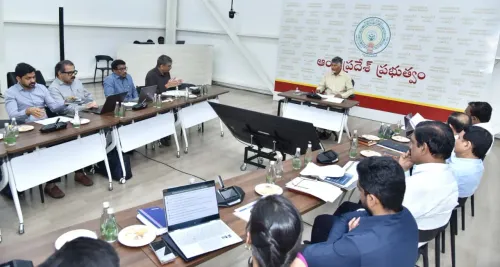
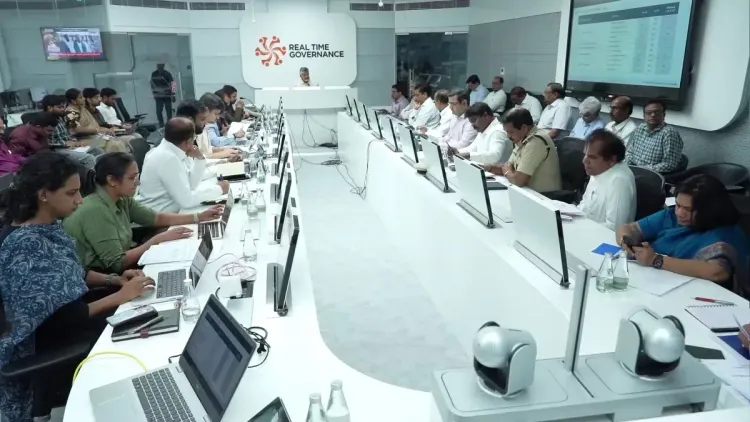
Chief Minister Chandrababu Naidu on 14 July 2026 reviewed citizen service delivery across five Andhra Pradesh departments — Endowments, Roads and Buildings, APSRTC, Transport, and Fire Services — alongside urea availability, at the Real Time Governance Society, directing officials to harness technology for faster, transparent governance.
Key Takeaways
CM Nara Chandrababu Naidu chaired a multi-department review at the Real Time Governance Society in the AP Secretariat on 14 July 2026 .
Five departments were reviewed: Endowments (Devaadaya) , Roads and Buildings , APSRTC , Transport , and Fire Services .
The availability of urea across Andhra Pradesh was also assessed, with implications for the farming community.
Officials were directed to improve service quality, remove citizen inconveniences, and use technology to strengthen governance.
The review continues a long-standing Naidu administration practice of using real-time digital dashboards for simultaneous oversight of multiple line departments.
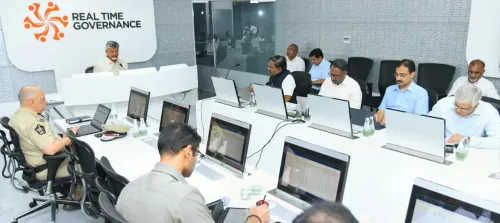
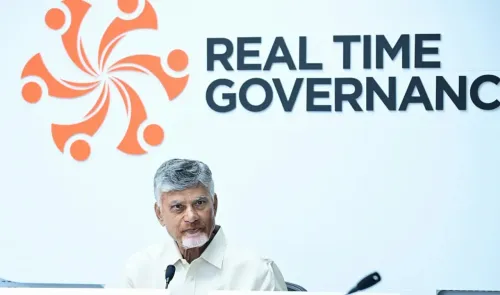
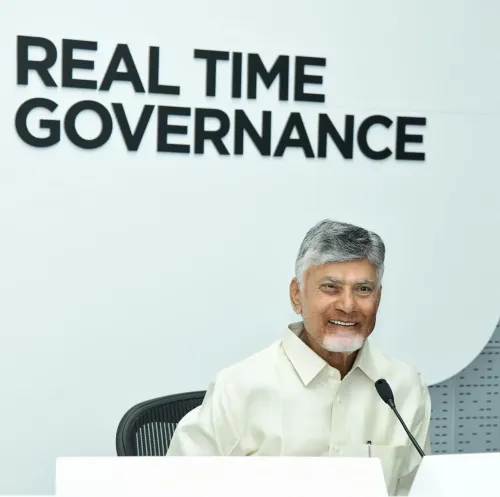
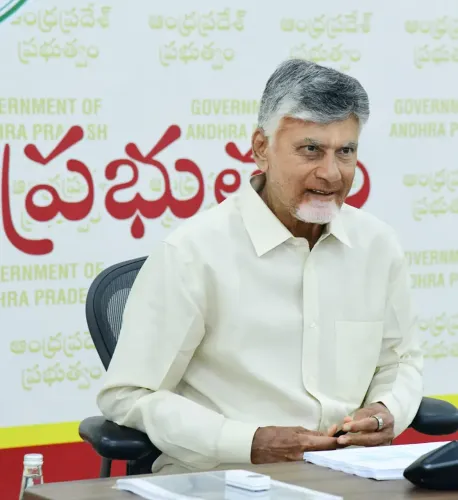
The Chief Minister's Office of Andhra Pradesh announced on Tuesday, 14 July 2026 that Chief Minister Nara Chandrababu Naidu conducted a comprehensive review of citizen services across five state departments, along with urea availability in the state, at the Real Time Governance Society in the Andhra Pradesh Secretariat.
The post, shared by the official CMO account, stated that Naidu directed officials to improve service quality, ensure hassle-free delivery of essential services to citizens, and make governance more effective through technology. The review covered the Endowments Department (Devaadaya), the Roads and Buildings Department, APSRTC, the Transport Department, and the Fire Services Department.
Context
The meeting was held at the Real Time Governance Society (RTGS), an institutional body housed within the AP Secretariat that uses digital dashboards and performance metrics to monitor the delivery of government services on a daily basis. The review format — bringing multiple line departments under a single oversight session — is a hallmark of how the Naidu administration has structured its administrative accountability processes.
In addition to departmental service delivery, the meeting also examined the availability of urea across the state, a recurring concern for Andhra Pradesh's farming communities, particularly ahead of key cropping seasons when fertiliser demand peaks.
Policy Backdrop
Chandrababu Naidu has consistently positioned technology-driven governance as a core reform rather than a peripheral initiative. During his earlier tenures — 1995–2004 and 2014–2019 — his government established e-Seva centres and state-wide fibre networks to digitise citizen-facing services. The Real Time Governance framework was formally institutionalised around 2017 to give senior officials live performance data across departments.
Urea distribution reviews have featured in state agriculture coordination meetings since the 2014–2019 period under the same leadership, reflecting a pattern of integrating agricultural supply-chain oversight into broader governance reviews rather than treating it as a standalone agriculture-ministry concern.
Stakeholders and Impact
The departments reviewed collectively touch a wide cross-section of the state's population. APSRTC, the state-owned bus operator, provides daily connectivity to millions of commuters across urban and rural Andhra Pradesh. The Roads and Buildings Department oversees infrastructure that underpins economic activity statewide, while the Endowments Department manages hundreds of Hindu temples and religious institutions across the state.
For farmers, timely urea availability is critical to crop yield. Including fertiliser logistics in a multi-department governance review signals that the state views agricultural input supply as an administrative delivery challenge, not merely a procurement one. Fire Services coverage, particularly in rapidly urbanising districts, also falls within the ambit of citizen safety services that the CM flagged for improvement.
What's Next
Officials have been directed to leverage technology to make governance more efficient and citizen-centric. Further announcements on performance dashboards, digital upgrades, or specific targets for the listed departments are expected as follow-through to the directives issued at the review meeting. Coordination on urea logistics ahead of the next cropping season will be a closely watched indicator of how quickly the state acts on the concerns raised. The RTGS framework positions the Chief Minister's Office to track compliance with these directions in near-real time.
Point of View
Citizen-outcomes-first framing of governance that cuts across conventional departmental silos. For the ruling coalition, such reviews serve a dual purpose: they generate visible accountability signals for the public while giving the Chief Minister's Office a direct lever over departmental performance. The forward watch is whether these directives translate into measurable service-level improvements, particularly for APSRTC commuters and farmers dependent on fertiliser supply ahead of the cropping season.
NationPress
14 Jul 2026
Frequently Asked Questions
What departments did CM Chandrababu Naidu review on 14 July 2026?
CM Chandrababu Naidu reviewed five departments — Endowments (Devaadaya), Roads and Buildings, APSRTC, Transport, and Fire Services — along with urea availability in Andhra Pradesh, at the Real Time Governance Society on 14 July 2026.
What is the Real Time Governance Society in Andhra Pradesh?
The Real Time Governance Society (RTGS) is an institutional body based in the Andhra Pradesh Secretariat that uses digital dashboards and performance metrics to monitor government service delivery across departments on a daily basis. It was formally institutionalised around 2017.
Why was urea availability discussed in a governance review?
Urea is a critical agricultural input for Andhra Pradesh's farming community. The Naidu administration has historically included fertiliser logistics in governance reviews to treat supply-chain reliability as an administrative delivery challenge, especially ahead of cropping seasons.
What did CM Chandrababu Naidu direct officials to do?
Naidu directed officials to improve the quality of services, ensure citizens face no difficulties in accessing essential services, and use technology to make governance more effective and efficient.
What is APSRTC and why does it feature in governance reviews?
APSRTC, the Andhra Pradesh State Road Transport Corporation, is the state-owned public bus operator providing connectivity to millions of commuters across the state. Its service delivery directly impacts a large section of the population, making it a regular subject of high-level governance reviews.