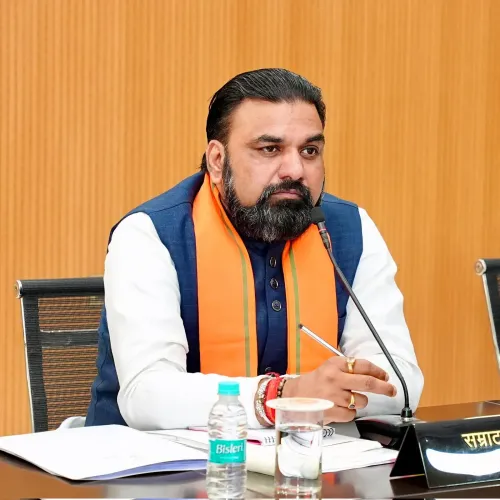
CM Samrat Choudhary clears ₹26 Cr office block for Supaul
Synopsis
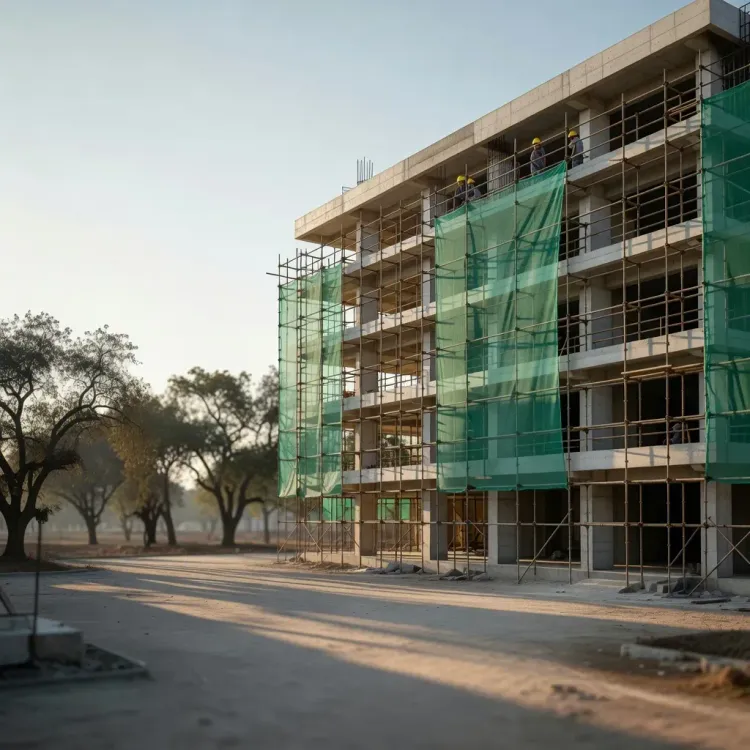
Bihar Chief Minister Samrat Choudhary has granted administrative approval for a ₹26 crore G+5 joint office building at the Supaul Collectorate complex, aiming to consolidate departmental offices and improve public service access for residents of the northern Bihar district.
Key Takeaways
₹26 crore administrative approval granted for a new joint office building at Supaul Collectorate .
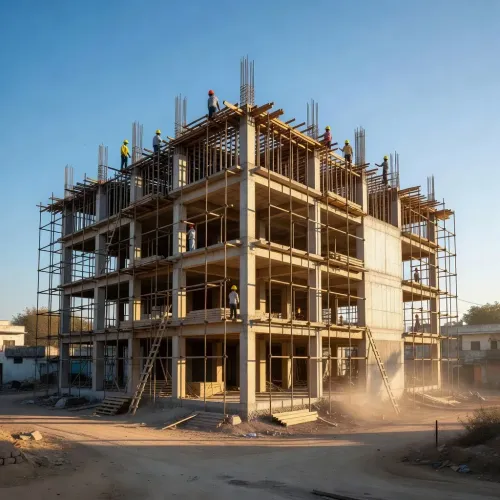
The structure will be G+5 (six floors) , housing multiple government departments under one roof.
Announced by Bihar Chief Minister Samrat Choudhary on 25 October 2026 .
Goal is to streamline inter-departmental administration and reduce citizen inconvenience in accessing services.
Tendering, construction timeline, and potential integration with digital service platforms are key next steps to watch.
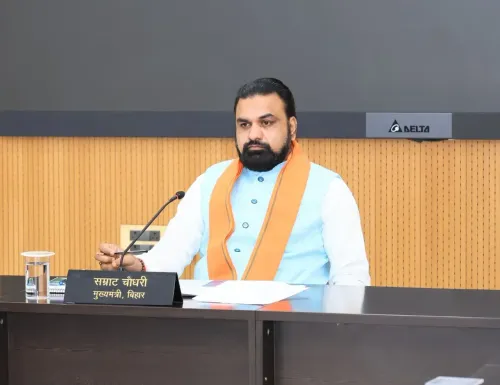
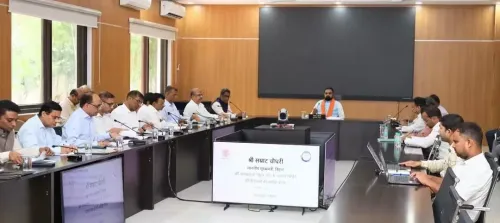
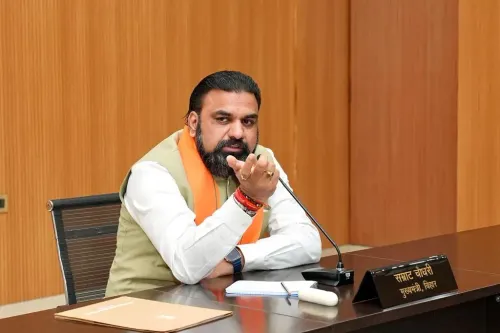
A six-storey government complex is coming to Supaul — and for residents of one of Bihar's northern districts, that means fewer queues, fewer detours, and one roof over departments that were once scattered across town. Bihar Chief Minister Samrat Choudhary on Sunday, 25 October 2026, announced administrative approval for a G+5 joint office building at the Supaul Collectorate complex, pegged at approximately ₹26 crore.
Posting on X, the Chief Minister stated: 'सुपौल समाहरणालय परिसर में संयुक्त कार्यालय भवन (G+5) के निर्माण हेतु लगभग 26 करोड़ रुपये की योजना को प्रशासनिक स्वीकृति प्रदान की गई है' — ['Administrative approval has been granted for a plan worth approximately ₹26 crore for the construction of a joint office building (G+5) at the Supaul Collectorate complex.']What the G+5 block means for Supaul's administration
The Supaul Collectorate is the nerve centre of district governance in this northern Bihar town, processing everything from land records and welfare schemes to revenue disputes and public grievances. Like many smaller district headquarters across the state, Supaul's administrative setup has historically been fragmented — departments housed in separate, often ageing structures, forcing citizens to navigate multiple buildings for a single service interaction.
The new joint office building is designed to consolidate that. By bringing several departments under a single six-floor structure, the project aims to streamline inter-departmental coordination and reduce the friction residents face when accessing government services. CM Choudhary noted that the building would make 'administrative work of various departments more smooth and organised' and improve citizens' access to government services.
District infrastructure push fits Bihar's wider pattern
This approval is part of a recurring Bihar government effort to upgrade physical infrastructure at the district level — consolidating offices that have long operated out of cramped or dispersed premises. The logic is straightforward: when officials share a building, files move faster, citizens do fewer rounds, and accountability improves. Supaul's project fits squarely into that template.
The next milestones to watch are the tendering process and the construction timeline. Whether the new complex is also wired into Bihar's digital service-delivery platforms — which would allow citizens to track applications and access services online from the same premises — will determine how much of a transformation the building ultimately delivers.
For Supaul's residents, the foundation has now been approved. The real test will be how fast the first floor rises.
Point of View
A series of such district-level approvals builds a governance credibility narrative ahead of any electoral cycle, demonstrating tangible administrative action in smaller towns beyond Patna. The real test of the project's impact, however, lies in execution speed and whether the new building integrates with digital delivery mechanisms rather than simply replicating a physical status quo under a newer roof. If Bihar links such consolidated offices to its e-governance stack, Supaul could become a replicable template for other northern districts.
NationPress
26 Oct 2026
Frequently Asked Questions
What is the Supaul joint office building project approved by CM Samrat Choudhary?
Bihar Chief Minister Samrat Choudhary has granted administrative approval for a G+5 (six-floor) joint office building at the Supaul Collectorate complex at a cost of approximately ₹26 crore, aimed at consolidating various government departments under one roof.
How much money has been approved for the Supaul Collectorate new building?
Approximately ₹26 crore has been sanctioned for the construction of the new joint office building at Supaul Collectorate, as announced by Bihar CM Samrat Choudhary on 25 October 2026.
What is the purpose of the new G+5 building at Supaul Collectorate?
The building is designed to bring multiple government departments together under a single six-storey structure, making administrative operations more efficient and making it easier for ordinary citizens to access government services.
Where is Supaul district located in Bihar?
Supaul is a district in northern Bihar, with its headquarters at Supaul town, which serves as the main administrative centre for the district.
What are the next steps after the Supaul office building approval?
Following administrative approval, the key next steps include the tendering process, finalising a construction timeline, and potentially integrating the new complex with Bihar's digital government service delivery platforms.