CM Conrad Sangma Distributes CMSDF Sanctions, Flags Off School Buses
Synopsis
Meghalaya Chief Minister Conrad Sangma on 23 July 2026 handed over CMSDF sanctions to youth groups, educational institutions, community organisations, and individuals, and flagged off buses procured through the fund for schools — continuing the state's pattern of direct executive welfare delivery.
Key Takeaways
Meghalaya CM Conrad Sangma distributed sanctions under the Chief Minister's Special Development Fund (CMSDF) on 23 July 2026 .
Beneficiaries included youth groups , educational institutions , community organisations , and individuals .
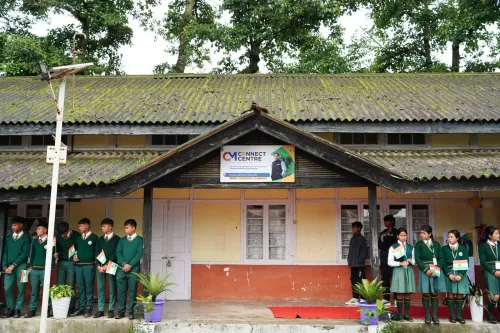
Buses procured through the CMSDF were flagged off specifically for educational institutions in the state.
The CMSDF is a discretionary fund administered by the Meghalaya CM's office for local infrastructure and community support outside regular departmental budgets.
The initiative reflects Meghalaya's long-standing focus on improving education access in remote, hilly terrain with significant tribal populations.
CMSDF utilisation and district-wise allocations are expected to face scrutiny in upcoming state assembly sessions and budget documents.
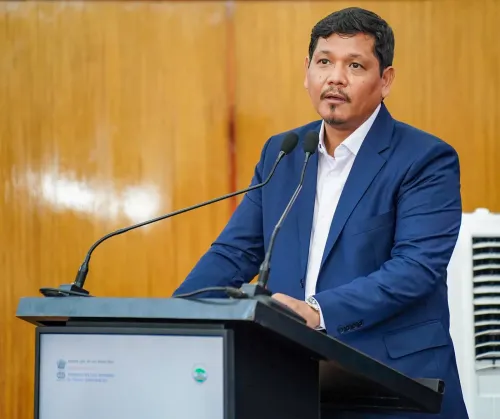
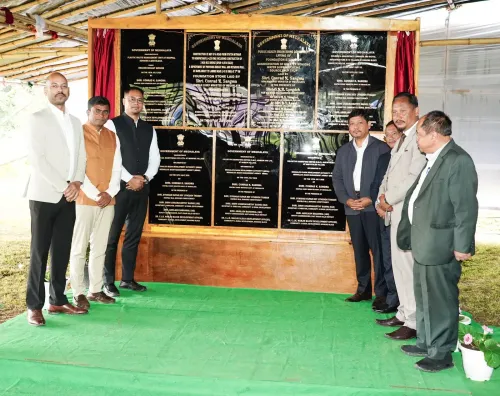
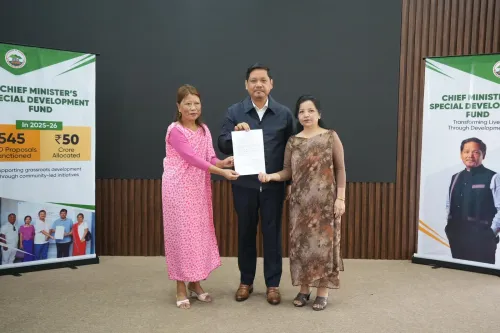
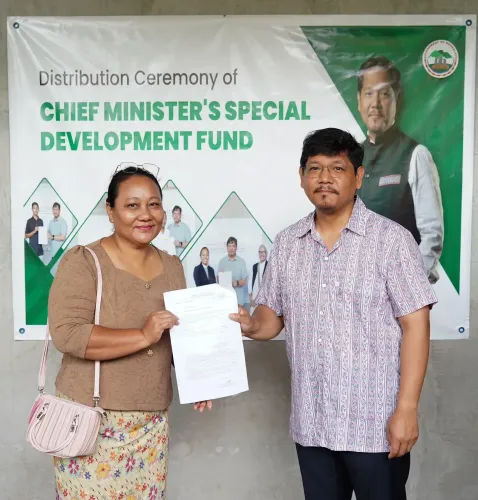
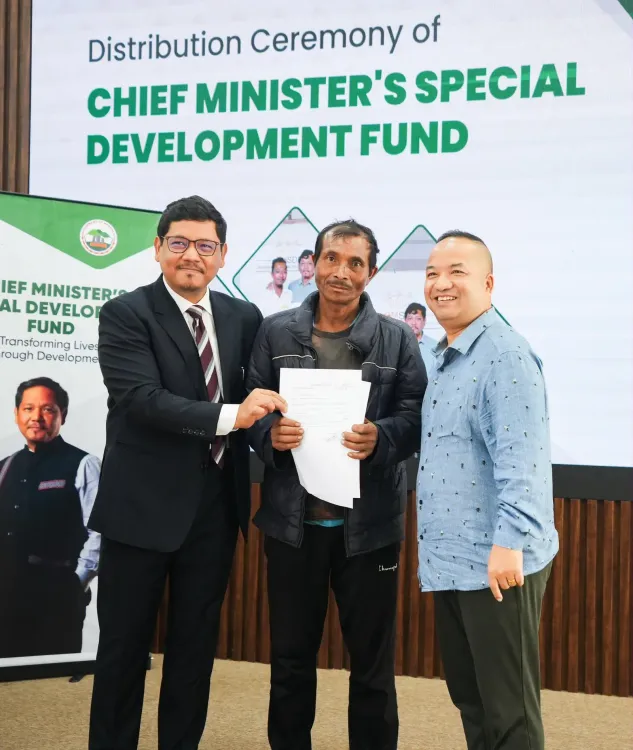
Meghalaya Chief Minister Conrad Sangma on Thursday, 23 July 2026, handed over sanctions under the Chief Minister's Special Development Fund (CMSDF) to youth groups, educational institutions, community organisations, and individuals, and also flagged off buses procured through the same fund for educational institutions across the state.
Context
The CMSDF is a discretionary development fund administered directly by the Meghalaya Chief Minister's office, designed to support local projects, infrastructure, and community needs that fall outside regular departmental budgets. The fund allows the Chief Minister to make direct allocations to grassroots organisations, enabling faster on-ground delivery in a state where hilly and remote terrain often complicates standard procurement and disbursement timelines.
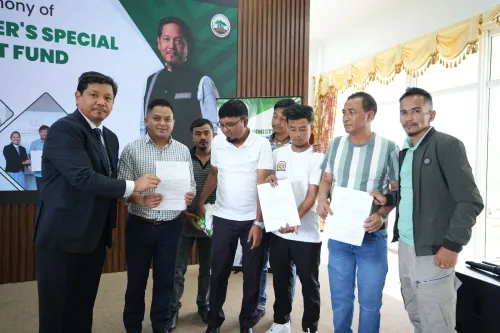
At the event, CM Sangma distributed sanctions to a range of beneficiaries — including youth groups, educational institutions, community organisations, and individuals — and flagged off buses that had been procured through CMSDF specifically for educational institutions.
Policy Backdrop
Chief Minister discretionary funds are a long-standing feature of Indian state governance, intended to bridge gaps in formal departmental spending by enabling targeted, small-scale interventions. In Meghalaya, such funds have historically prioritised education access and youth-oriented activities, reflecting the state's demographic profile — a predominantly young, tribal population spread across difficult terrain where school connectivity remains a persistent challenge.
The provision of buses through the CMSDF fits within this pattern, addressing the practical barrier of transport that limits school attendance in remote villages and hill districts. Sanctions to community organisations and youth groups similarly continue a tradition of using the fund to support civil society activity at the local level.
Stakeholders and Impact
The immediate beneficiaries span multiple categories: educational institutions receiving both financial sanctions and dedicated bus fleets, youth groups and community organisations receiving direct fund allocations, and individual beneficiaries supported through the scheme. In a state like Meghalaya, where public transport infrastructure is thin and private costs are high, school buses funded through the CMSDF can meaningfully improve enrolment and attendance rates, particularly for girls and children from economically weaker households.
The National People's Party (NPP), led by Conrad Sangma, governs Meghalaya and is allied with the NDA at the centre. Welfare disbursements under the CMSDF also carry political weight at the constituency level, reinforcing the party's ground-level presence ahead of future electoral cycles.
What's Next
Scrutiny of the CMSDF typically surfaces in state assembly sessions, where opposition members may raise questions on district-wise allocation patterns, beneficiary selection criteria, and total utilisation figures. Budget documents for the next financial year will offer a clearer picture of how the fund is being scaled. Any move toward formal transparency guidelines — such as published beneficiary lists or third-party utilisation audits — would mark a significant step in strengthening accountability around discretionary spending in the state.
Point of View
Bypassing the slower pace of departmental budgeting. For Conrad Sangma and the NPP, direct handovers of buses and sanctions to community bodies serve a dual purpose: addressing genuine infrastructure gaps in a state with difficult terrain, and cementing grassroots political relationships ahead of future elections. The move sits within a broader national pattern where welfare delivery is increasingly personalised to the Chief Minister's brand rather than routed through anonymous government departments. Transparency in beneficiary selection and utilisation reporting will be the key test of whether such funds deliver equitable impact or remain opaque instruments of political patronage.
NationPress
23 Jul 2026
Frequently Asked Questions
What is the Chief Minister's Special Development Fund (CMSDF) in Meghalaya?
The CMSDF is a discretionary development fund administered directly by the Meghalaya Chief Minister's office to support local projects, community infrastructure, and welfare needs that fall outside regular departmental budgets.
What did Conrad Sangma distribute under the CMSDF on 23 July 2026?
CM Conrad Sangma handed over sanctions to youth groups, educational institutions, community organisations, and individuals, and also flagged off buses procured through the CMSDF for educational institutions.
Who benefits from the CMSDF in Meghalaya?
Beneficiaries include youth groups, educational institutions, community organisations, and individual applicants, with a historical focus on education access and youth activities in remote and hilly areas of Meghalaya.
Why are school buses significant for Meghalaya's educational institutions?
Meghalaya's hilly and remote terrain makes student transport a major barrier to school attendance; buses funded through the CMSDF help improve enrolment and access, particularly for children in distant villages.
How is the CMSDF held accountable in Meghalaya?
CMSDF utilisation is typically scrutinised during state assembly sessions through opposition questions, and budget documents reveal allocation figures, though formal transparency guidelines on beneficiary selection remain limited.